Life Planner for Goals, Growth Daily Success Create Your Best Routine
Creating a life that feels organized, balanced, and meaningful often starts with a simple decision: being intentional about how you spend your time. A thoughtful life planner can become more than just a place to write tasks. It can serve as a personal guide for setting goals, tracking growth, building healthy habits, and creating a daily routine that supports the life you want to live.
The modern approach to planning is not only about productivity. It is about understanding your priorities, making space for personal development, and taking small actions that create long-term change. A well-designed life planner combines goal setting, wellness tracking, financial awareness, relationship care, and lifestyle planning into one inspiring system.
Key Takeaways
- A life planner helps transform ideas and dreams into clear daily actions.
- Goal setting becomes easier when personal growth areas are organized.
- Tracking wellness habits can support a healthier and more balanced lifestyle.
- Small daily improvements often lead to meaningful long-term results.
- Regular reviews help you adjust your plans and celebrate progress.
Why a Life Planner Is More Than a To-Do List
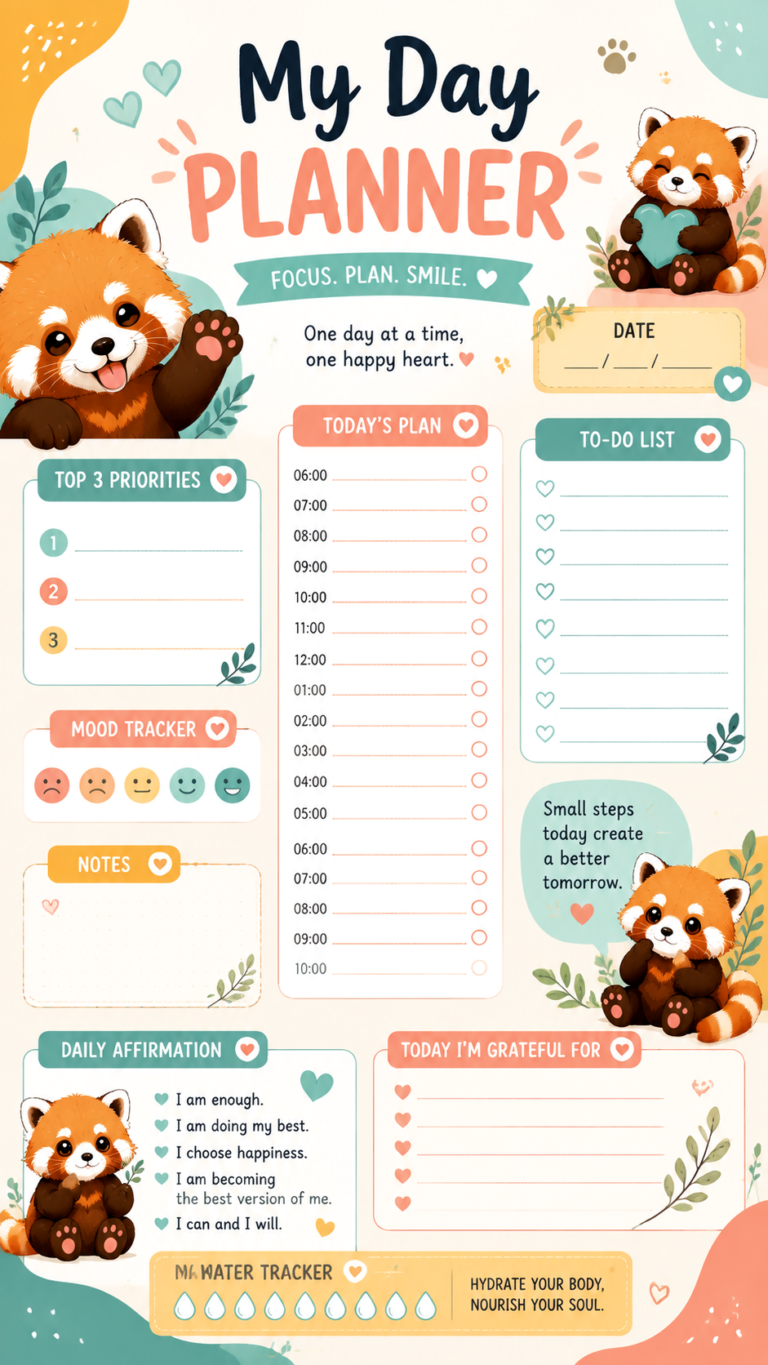
Many people think of planners as tools for scheduling appointments or remembering daily tasks. While those features are useful, a complete life planner goes much further. It creates a visual space where you can connect your everyday choices with your bigger goals.
A goal-focused planner encourages you to think about different areas of your life, including personal growth, health, relationships, finances, and new experiences. Instead of focusing only on what needs to be completed today, you begin thinking about the person you want to become.
Important: The most effective planners are not about filling every empty space with tasks. They are about creating clarity, helping you focus on what truly matters, and making intentional progress one step at a time.
Building Personal Growth Through Intentional Planning
Personal growth is one of the most rewarding areas to include in your life planner. Growth does not always require dramatic changes. Often, the biggest transformations come from small habits repeated consistently.
Simple Personal Development Goals to Track
A planner can help you create realistic goals that encourage learning, confidence, and self-improvement. Some ideas include:
- Reading regularly to expand your knowledge and creativity.
- Learning a new skill or exploring a personal interest.
- Practicing gratitude and positive thinking.
- Stepping outside your comfort zone.
- Building routines that support your future goals.
Writing these intentions down creates a stronger connection between your thoughts and actions. When your goals are visible, you are more likely to remember them and take steps toward achieving them.
Creating a Health and Wellness Routine
A balanced life includes taking care of your physical and emotional well-being. A life planner can help you monitor healthy habits without making wellness feel overwhelming.
Wellness Habits Worth Tracking
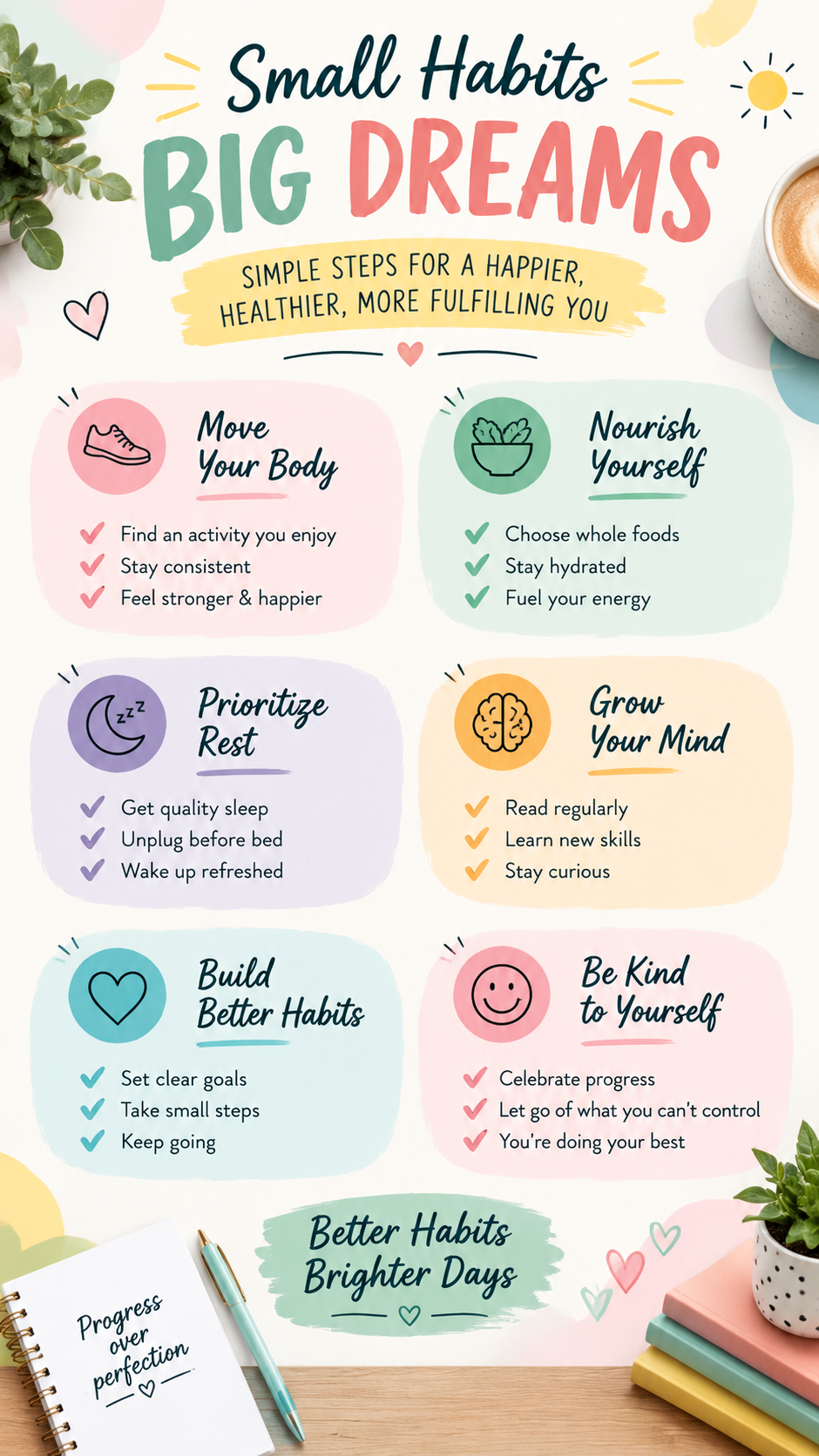
Simple wellness goals can make a noticeable difference over time. Consider adding these habits to your planner:
- Drinking enough water throughout the day.
- Moving your body through exercise or outdoor activities.
- Choosing nourishing meals.
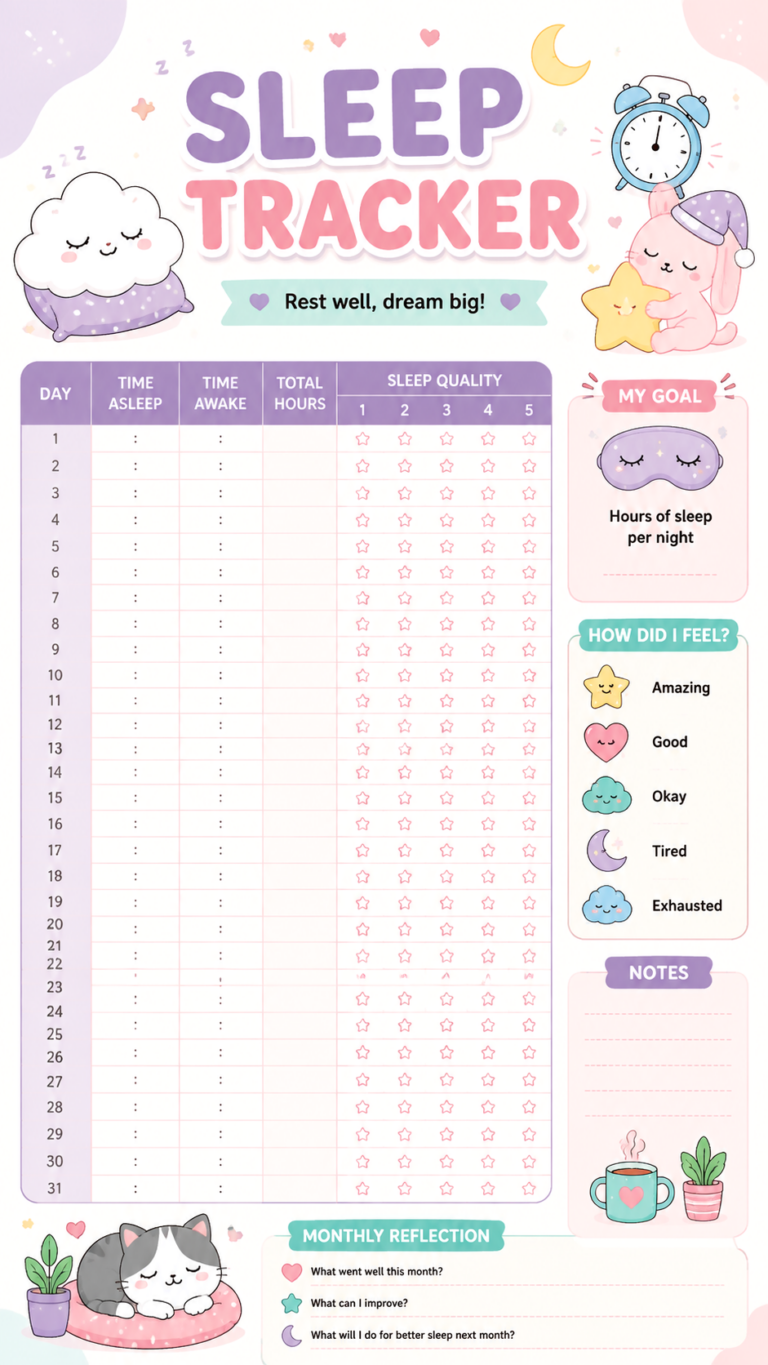
- Creating a consistent sleep routine.
- Finding healthy ways to manage stress.
A wellness section in your planner allows you to notice patterns, celebrate improvements, and create routines that support your energy and mindset.
Strengthening Relationships With Mindful Planning
Personal success is not only about achievements and productivity. Meaningful relationships play an important role in creating a fulfilling life. A planner can remind you to make time for the people who matter most.
Relationship Goals to Include
- Schedule quality time with loved ones.
- Practice active listening and open communication.
- Show appreciation through small gestures.
- Create shared memories and meaningful experiences.
- Surround yourself with positive influences.
Planning intentional moments with others helps prevent important relationships from being pushed aside by busy schedules.
Managing Finances and Creating Future Freedom
Financial planning is another important part of a complete life planner. Having a clear picture of your money habits can help you make thoughtful decisions and work toward future goals.
Financial Planning Ideas
- Track your expenses and spending habits.
- Create realistic saving goals.
- Review your financial progress regularly.
- Explore ways to improve your income opportunities.
- Plan for future experiences and priorities.
Financial awareness does not mean restricting yourself from enjoying life. It means understanding your choices and creating more confidence around your future.
Why This Matters
A life planner connects different parts of your life into one clear vision. When your goals, habits, and priorities are organized together, everyday decisions become easier and more purposeful.
- Planning creates direction when life feels busy.
- Tracking progress helps you recognize personal growth.
- Regular reflection keeps your goals aligned with your values.
Adding Adventure and Lifestyle Goals
Life is not only about responsibilities. A meaningful planner should also include space for fun, creativity, and experiences that bring happiness.
Ideas for Lifestyle Planning
- Plan trips and new experiences.
- Explore hobbies and creative activities.
- Create a list of things you want to try.
- Capture memorable moments.
- Set goals that support your ideal lifestyle.
Including lifestyle goals reminds you that personal growth and enjoyment can exist together. A balanced plan makes room for achievement and happiness.
How to Use Daily and Monthly Reviews
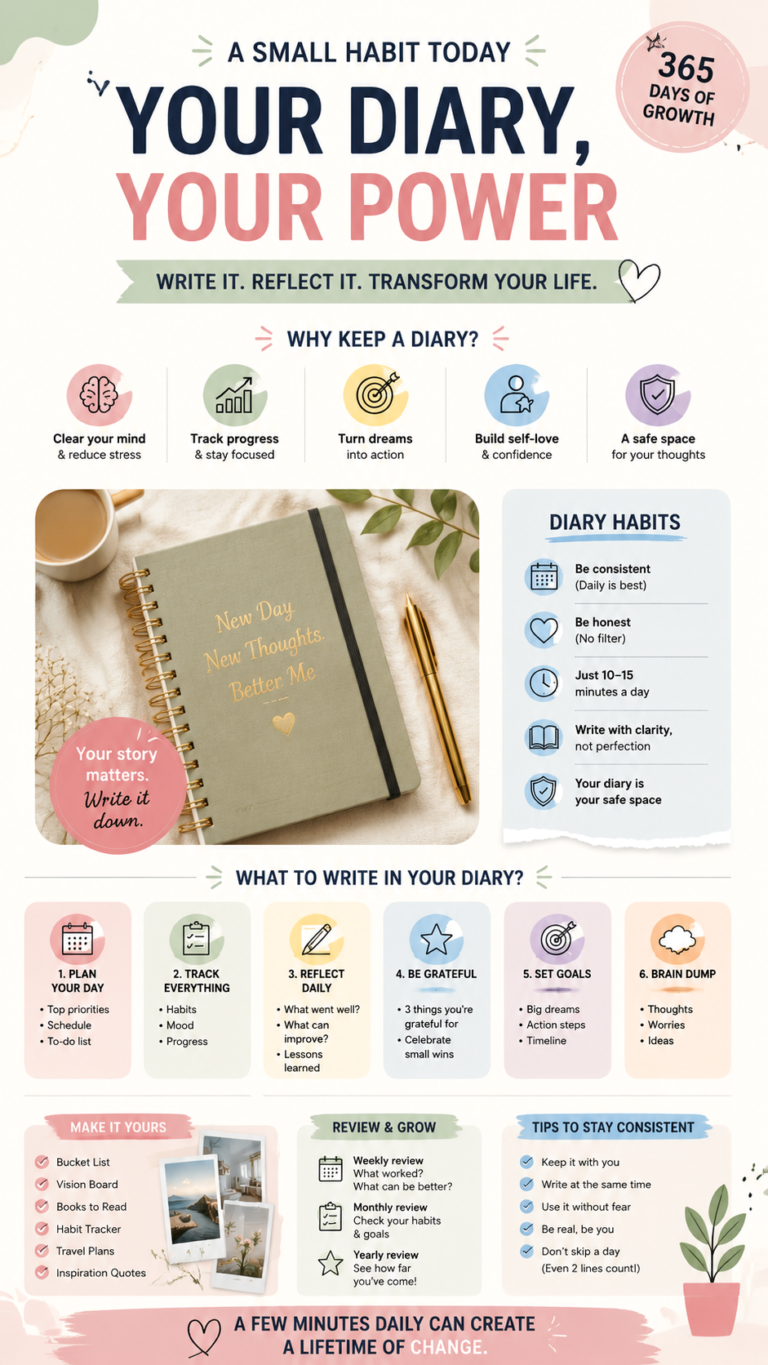
Reflection is one of the most valuable parts of intentional planning. Daily and monthly reviews allow you to understand what is working and what needs adjustment.
Daily Review Questions
- What are my top priorities today?
- What progress did I make?
- How did I take care of myself?
- What positive moment can I appreciate?
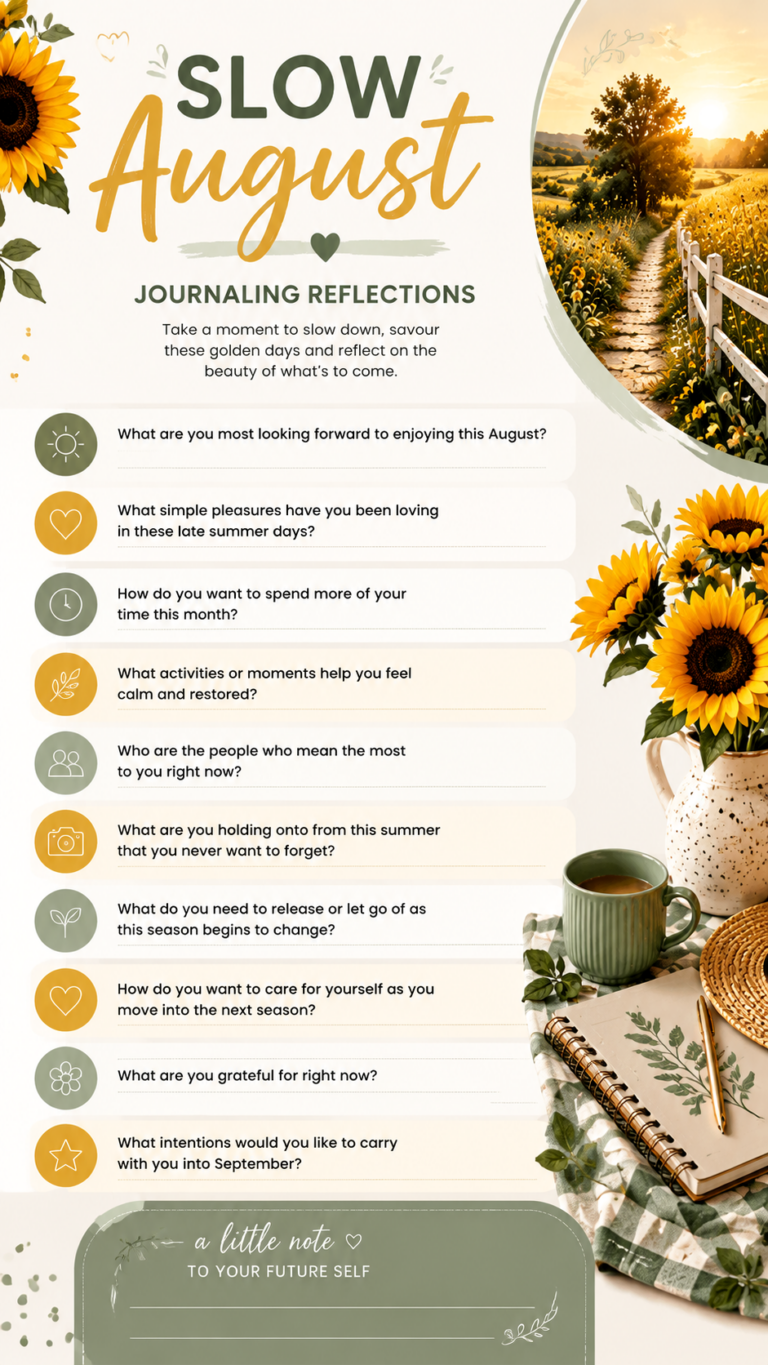
Monthly Reflection Questions
- What went well this month?
- What did I learn?
- What can I improve?
- What are my next steps?
These reflections turn your planner into a personal growth tool rather than just a schedule.
At a Glance: Building Your Ideal Life Planner
Quick Points
- Define goals that match your personal vision.
- Create habits that support your health and growth.
- Track finances and future priorities.
- Make time for relationships and meaningful experiences.
- Review progress and adjust your plans regularly.
Conclusion: Create a Life You Plan With Purpose
A life planner is a simple but powerful reminder that your future is shaped by the choices you make today. By organizing your goals, habits, relationships, wellness, and dreams, you create a clearer path toward a more intentional lifestyle.
The goal is not to create a perfect schedule. The goal is to create a system that helps you focus on what matters most. Small steps, consistent reflection, and mindful planning can help you build a life that feels more balanced and fulfilling.
Start with your vision, choose your priorities, and use your planner as a guide for everyday progress. Your future self will appreciate the effort you make today.
Tags
Life Planner
Goal Setting
Personal Growth
Daily Planning
Self Improvement
Mindful Living
Productivity Habits