Night Shift Nurse Brain vs Days Off Self-Care, Recovery Real Nurse Life
Anyone who has worked a night shift knows that life can feel like it exists in two completely different worlds. One world appears at the end of a long overnight shift when exhaustion takes over, caffeine becomes a trusted companion, and even simple decisions feel surprisingly difficult. The other world emerges on days off, when there is finally time to rest, recharge, and reconnect with routines that support physical and mental well-being.
For nurses and other healthcare professionals, this contrast can be especially dramatic. Long hours, rotating schedules, emotional demands, and interrupted sleep patterns often create a unique lifestyle that shifts dramatically between workdays and recovery days. Understanding these differences is not only relatable but also important for maintaining balance, preventing burnout, and supporting long-term wellness.
Key Takeaways
- Night shifts significantly affect energy, mood, focus, and decision-making.
- Recovery days play a crucial role in restoring mental and physical well-being.
- Self-care routines can help reduce stress and improve resilience.
- Quality sleep is one of the most valuable tools for healthcare workers.
- Small lifestyle habits can make a big difference in recovery.
- Balancing work demands with personal wellness supports long-term career success.
The Reality of Night Shift Life
Night shift work is essential across many industries, but healthcare workers often experience some of the greatest challenges. While the rest of the world sleeps, nurses remain alert, provide patient care, monitor changing conditions, and respond to emergencies.
The human body naturally follows a circadian rhythm that encourages wakefulness during daylight hours and sleep at night. When work schedules require overnight activity, that rhythm becomes disrupted. Even when nurses manage to sleep during the day, sleep quality is often different from nighttime rest.
This disruption can lead to symptoms that many night shift workers instantly recognize. Mental fog, forgetfulness, difficulty concentrating, low energy levels, and emotional sensitivity can all become more noticeable after multiple overnight shifts.
Important: Feeling mentally exhausted after a night shift is not simply about being tired. Sleep disruption affects memory, attention, mood regulation, and cognitive performance, making recovery an essential part of overall health.
Why Brain Fog Feels So Common After Overnight Work
One of the most relatable experiences among night shift nurses is brain fog. This feeling can be difficult to describe, but many people recognize it immediately when they experience it.
Brain fog often includes:
- Difficulty remembering details
- Reduced concentration
- Slower mental processing
- Trouble finding the right words
- Feeling disconnected or distracted
- Increased mental fatigue
After a demanding shift, even routine activities can feel overwhelming. Choosing what to eat, completing household tasks, or responding to messages may require far more effort than usual.
The combination of physical fatigue and emotional stress can amplify these effects. Nurses frequently care for patients in challenging situations, which requires continuous focus and emotional energy throughout the shift.
The Dependence on Caffeine
Coffee, tea, and energy drinks often become familiar companions during overnight work. Caffeine can provide temporary alertness and help maintain focus during demanding hours.
While caffeine has benefits when used strategically, it cannot replace adequate sleep. Many healthcare workers eventually discover that recovery requires much more than another cup of coffee.
Maintaining hydration, consuming balanced meals, and prioritizing sleep often have a greater long-term impact than relying solely on stimulants to stay awake.
The Emotional Side of Night Shift Recovery
Physical fatigue is only one piece of the equation. Emotional exhaustion can also become noticeable after several consecutive shifts.
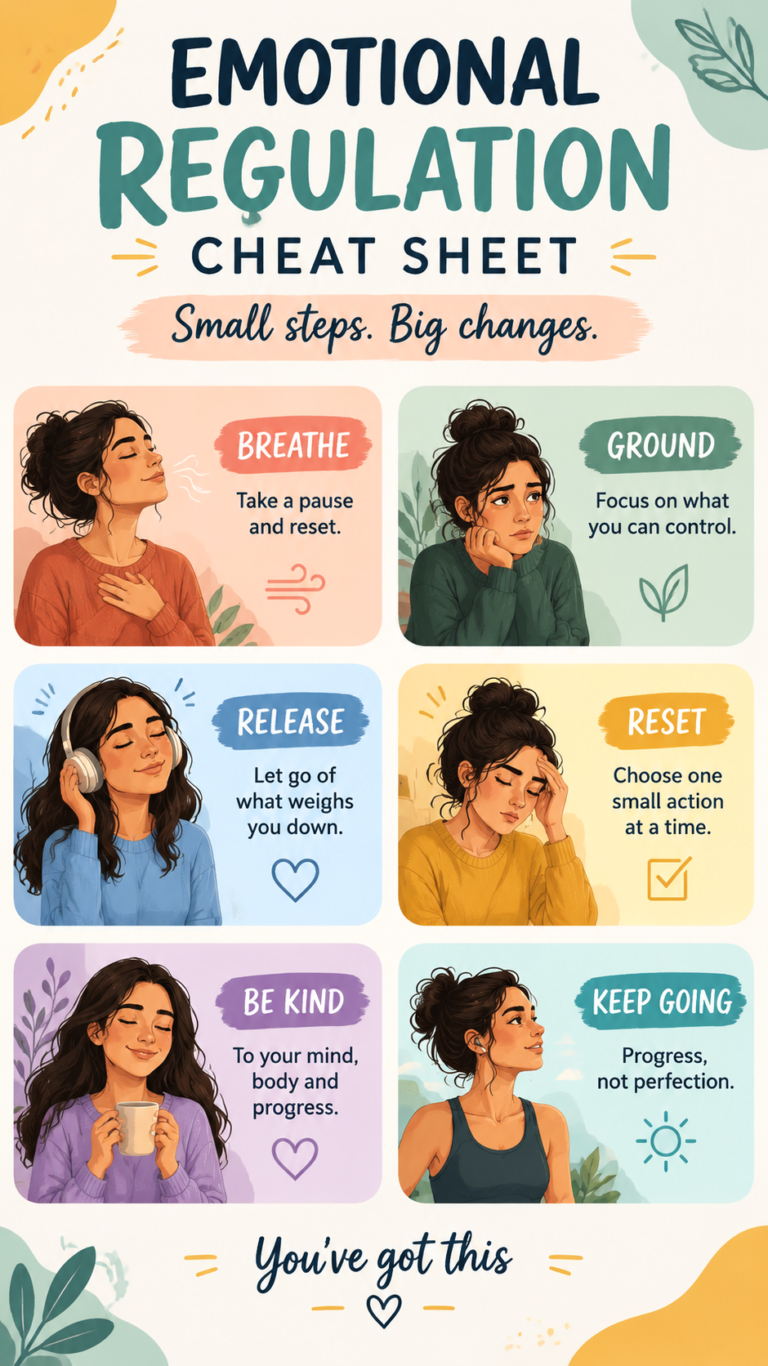
When people are sleep deprived, emotional regulation becomes more difficult. Minor frustrations may feel larger than usual. Small inconveniences can trigger disproportionate reactions. This experience is extremely common among individuals recovering from disrupted sleep schedules.
Healthcare professionals are also exposed to emotionally demanding situations on a regular basis. Supporting patients and families, managing stressful circumstances, and making critical decisions require substantial emotional resources.
As a result, many nurses find themselves craving solitude, quiet environments, and minimal social interaction immediately after work.
Why This Matters
- Recovery is not laziness. It is an important part of maintaining performance and well-being.
- Prioritizing rest helps improve focus, mood, and resilience.
- Healthy recovery habits support long-term career sustainability.
The Transformation That Happens on Days Off
One of the most rewarding parts of shift work is finally reaching those well-earned days off. After sufficient rest, many nurses experience a dramatic shift in mood, energy, and motivation.
Simple activities suddenly become enjoyable again. Daily routines feel less demanding. Creativity returns. Mental clarity improves. Tasks that seemed impossible after a shift become manageable and even satisfying.
Days off often become opportunities for restoration rather than productivity alone.
Slow Mornings and Gentle Routines
Many healthcare workers cherish slow mornings after busy workweeks. Instead of rushing to meet workplace demands, there is time to enjoy coffee or tea, read a book, listen to music, or simply sit quietly.
These peaceful moments provide more than comfort. They create opportunities for the nervous system to recover from prolonged periods of stress and vigilance.
Developing intentional morning routines can help establish a sense of stability, especially for individuals whose work schedules frequently change.
The Joy of Everyday Activities
Interestingly, many people discover that ordinary tasks feel surprisingly rewarding during recovery periods.
Activities such as grocery shopping, organizing a room, preparing meals, caring for plants, or enjoying fresh air can become meaningful forms of self-care.
These moments provide a sense of control and accomplishment that contrasts sharply with the unpredictable nature of healthcare environments.
Pro Tip: Instead of scheduling every minute of your days off, leave space for unstructured relaxation. Recovery is often most effective when the mind has opportunities to slow down naturally.
Self-Care Is More Than a Trend
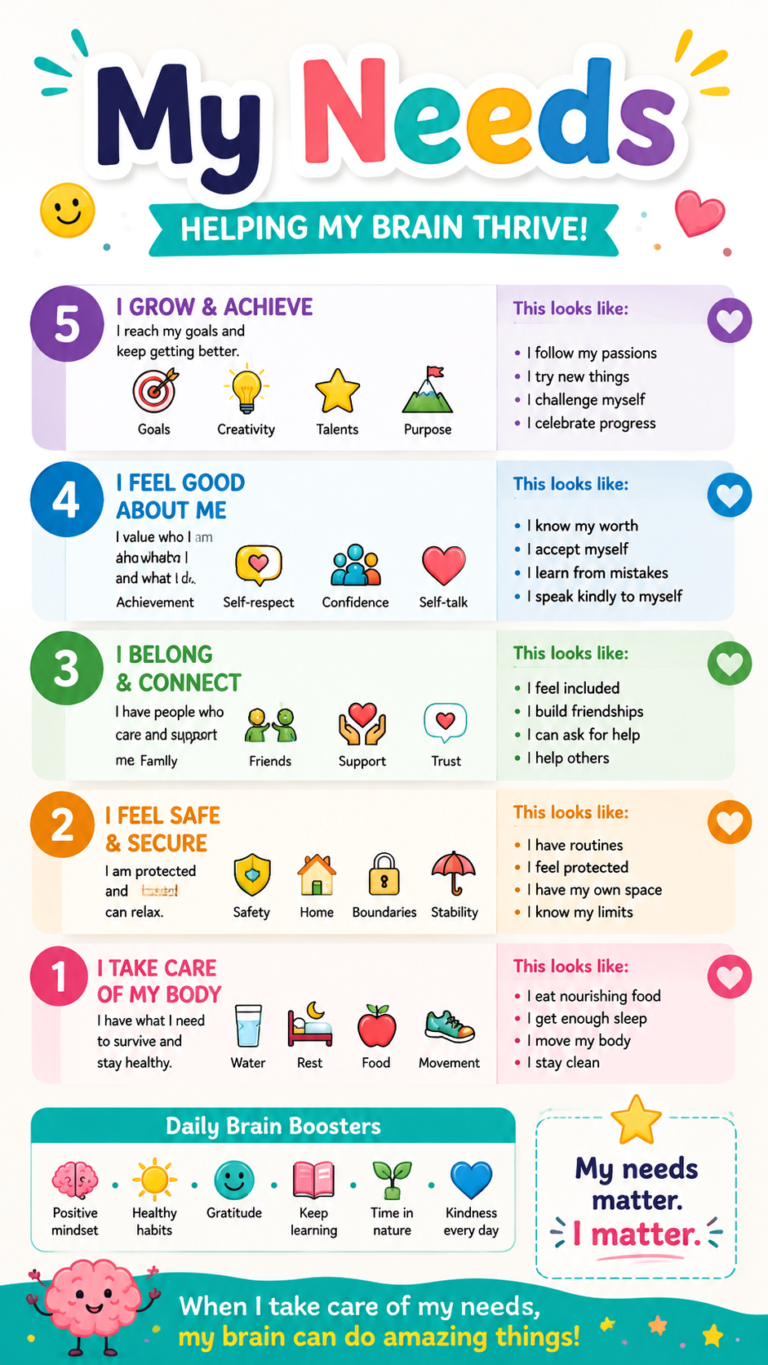
The term “self-care” is frequently discussed, but for healthcare professionals it serves a practical purpose. Self-care helps replenish physical, emotional, and mental resources that are regularly depleted during demanding shifts.
Effective self-care does not necessarily require expensive products or elaborate routines.
Simple examples include:
- Getting adequate sleep
- Taking walks outdoors
- Preparing nutritious meals
- Maintaining personal hygiene routines
- Journaling or reflecting
- Spending time with loved ones
- Creating relaxing home environments
- Setting boundaries around work communication
When practiced consistently, these habits can contribute significantly to overall well-being.
The Importance of Sleep Recovery
Sleep is arguably the most powerful recovery tool available to shift workers.
During sleep, the body performs countless restorative processes. Energy stores are replenished, memories are consolidated, and various physiological systems undergo maintenance and repair.
Unfortunately, achieving high-quality sleep can be challenging for those working overnight schedules.
Tips for Better Recovery Sleep
- Create a dark sleeping environment.
- Use blackout curtains when possible.
- Reduce noise distractions.
- Maintain a consistent sleep schedule.
- Limit caffeine close to bedtime.
- Develop a relaxing pre-sleep routine.
Although perfect sleep is not always possible, even small improvements can have a noticeable impact on recovery and performance.
Finding Balance Between Productivity and Rest
Many nurses feel pressure to maximize their days off. Household responsibilities, errands, appointments, and social commitments can quickly fill available time.
While productivity has its place, recovery should not be viewed as wasted time. Rest allows individuals to return to work with greater focus, energy, and emotional resilience.
Learning to balance productive activities with restorative experiences is one of the most valuable skills for long-term wellness.
Important: Rest is not something that must be earned after reaching complete exhaustion. Regular recovery periods help prevent burnout before it begins.
Creating a Recovery-Focused Lifestyle
The contrast between work mode and recovery mode does not need to feel extreme. By incorporating healthy habits throughout the week, healthcare professionals can support more consistent well-being.
Consider focusing on:
- Regular hydration
- Balanced nutrition
- Physical activity
- Stress management techniques
- Healthy sleep practices
- Supportive social connections
- Mindful relaxation activities
These habits may seem small individually, but together they create a foundation for sustainable health.
Celebrating Small Wins
Recovery does not always require dramatic changes. Sometimes the most meaningful victories involve simple actions like preparing a healthy meal, taking a walk, organizing a small space, or getting to bed earlier than usual.
Recognizing these achievements can help build positive momentum and encourage ongoing self-care.
At a Glance
- Night shifts can contribute to fatigue, brain fog, and emotional exhaustion.
- Recovery days are essential for mental and physical restoration.
- Sleep remains the most important recovery tool.
- Simple self-care routines can significantly improve well-being.
- Balancing productivity with rest supports long-term career success.
Conclusion
The contrast between life after a night shift and life on a day off is something many nurses know intimately. One version may feel exhausted, foggy, and dependent on caffeine, while the other feels refreshed, motivated, and ready to enjoy life’s simple pleasures.
Neither version defines the individual. They simply reflect the realities of working in a demanding profession that requires extraordinary dedication. Understanding this cycle can help healthcare workers approach recovery with greater compassion and intention.
By prioritizing sleep, embracing self-care, and allowing space for genuine rest, nurses can support both their professional performance and personal well-being. The goal is not perfection. The goal is creating a sustainable lifestyle that allows both work and recovery to coexist in a healthy, balanced way.
Tags
Night Shift Nurse Nurse Life Self Care Healthcare Worker Wellness Burnout Prevention Work Life Balance Shift Work Recovery Mental Wellness