Uterus Cleanse Drink Recipe Natural Herbal Tea for Hormonal Balance Wellness
Looking for a comforting herbal drink to add to your daily wellness routine? This warm ginger, cinnamon, fennel, lemon, and honey tea combines familiar kitchen ingredients into a fragrant, soothing beverage that is easy to prepare at home. Often described online as a “uterus cleanse drink,” this herbal infusion is best understood as a warming wellness drink rather than a treatment for reproductive health concerns. Its appeal lies in its simple preparation, refreshing citrus flavor, and comforting blend of spices.
Whether you enjoy herbal tea in the morning, want a relaxing drink in the evening, or are exploring simple self-care habits, this recipe offers an easy place to start. Below, you will find the ingredients, step-by-step preparation instructions, practical variations, potential benefits, and important safety considerations to help you enjoy this drink responsibly.
Key Takeaways
- This herbal tea combines ginger, cinnamon, fennel seeds, lemon juice, water, and optional honey.
- Its warm, aromatic flavor makes it a comforting addition to a balanced wellness routine.
- Ginger may help ease some types of nausea, although individual results vary.
- No drink has been proven to cleanse the uterus or remove menstrual blood, toxins, or reproductive waste.
- Pregnant individuals and people taking certain medications should check with a healthcare professional before using concentrated herbal preparations.
- You can adjust the lemon and honey to create a flavor that suits your preferences.
What Is a Uterus Cleanse Drink?
A uterus cleanse drink is a term commonly used online for herbal beverages promoted as supporting women’s reproductive health, menstrual comfort, or hormonal balance. Recipes vary, but they often feature ingredients such as ginger, cinnamon, fennel seeds, lemon, and honey.
This particular recipe combines these ingredients in warm water to create a golden-colored herbal infusion. Ginger contributes a spicy warmth, cinnamon adds a sweet and woody aroma, fennel seeds provide a mildly sweet, licorice-like flavor, and lemon brings a bright citrus note. A small amount of honey can soften the stronger flavors.
Although the name sounds appealing, it is important to understand what the drink can and cannot do. The uterus does not require a special beverage to cleanse itself. Menstruation involves the shedding of the uterine lining, while the body relies on its normal physiological processes to maintain health.
Important: There is no reliable clinical evidence that this combination cleanses the uterus, balances reproductive hormones, regulates menstrual cycles, or treats conditions such as fibroids, endometriosis, or polycystic ovary syndrome (PCOS). You can enjoy it as a beverage, but it should not replace medical care or evidence-based treatment.
Uterus Cleanse Drink Ingredients
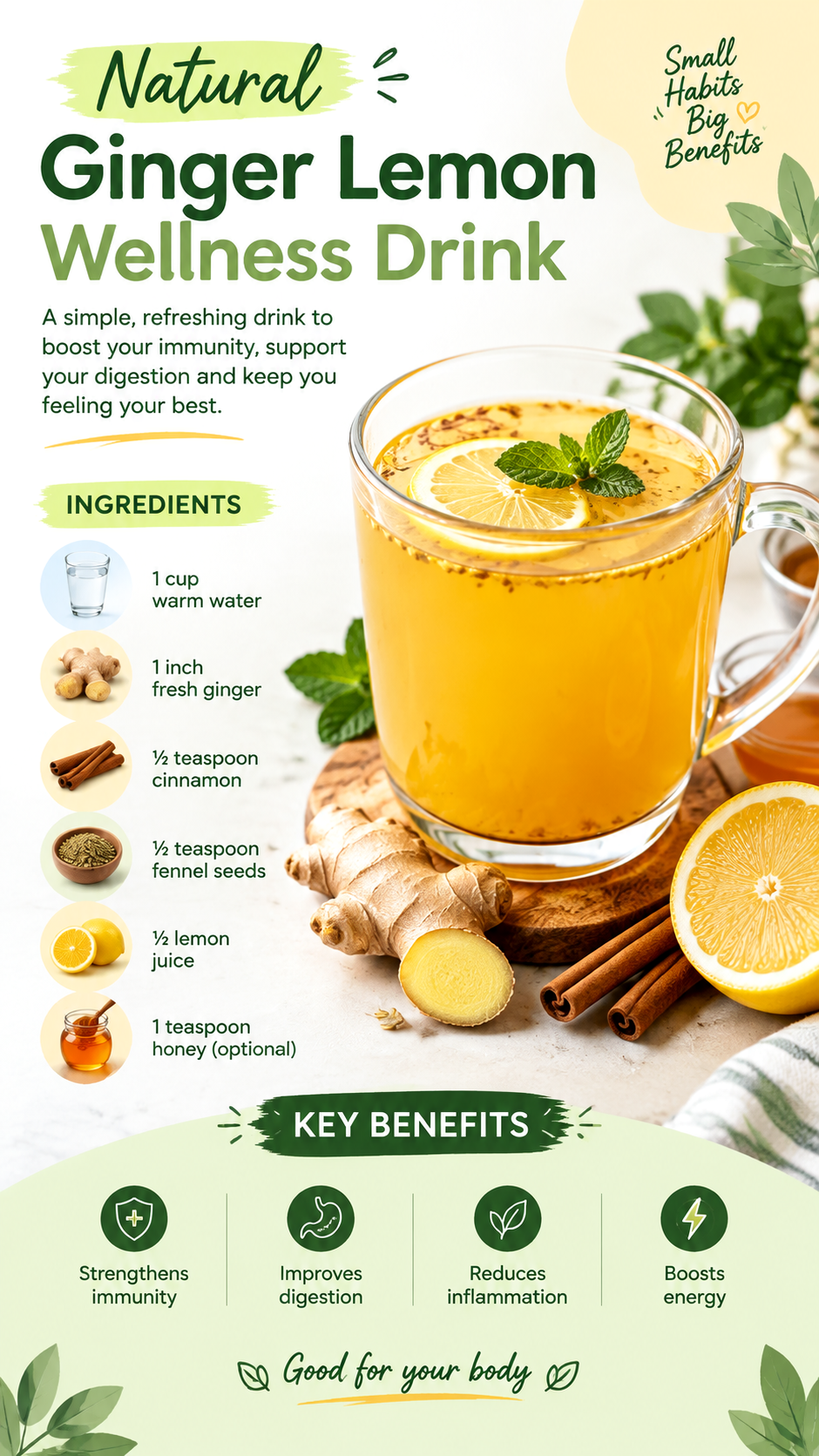
The recipe uses a small number of everyday ingredients that are easy to find in most grocery stores. The quantities below make approximately one serving, depending on how much liquid evaporates during preparation and how concentrated you prefer your tea.
Ingredients You Will Need
- 1 cup warm water: The liquid base for the herbal infusion. Use freshly boiled water for effective steeping.
- 1 inch fresh ginger: Wash, peel if desired, and slice or grate the ginger to release its flavor.
- 1/2 teaspoon cinnamon: Ground cinnamon or a small cinnamon stick can provide a warm, aromatic taste.
- 1/2 teaspoon fennel seeds: These add a mildly sweet, distinctive herbal flavor.
- 1/2 lemon, juiced: Fresh lemon juice gives the drink a bright, tangy finish. Start with less if you prefer a milder taste.
- 1 teaspoon honey, optional: Stir in honey to add sweetness after the drink has cooled slightly.
Choosing Quality Ingredients
Fresh ingredients can make a noticeable difference in flavor. Choose ginger that feels firm and has smooth skin without signs of mold. Fennel seeds should smell pleasantly aromatic, while cinnamon should have a recognizable warm fragrance.
Fresh lemon is a convenient choice because it provides juice without requiring bottled additives. If you use honey, select a product you enjoy the taste of and remember that it is still an added sugar.
For cinnamon, ordinary culinary quantities are generally suitable for many healthy adults. If you plan to consume cinnamon frequently in larger amounts, consider the type you use. Cassia cinnamon contains more coumarin than Ceylon cinnamon, and excessive coumarin intake may be harmful to the liver in susceptible people.
How to Make Ginger, Cinnamon, and Fennel Tea
Preparing this herbal drink takes only a few minutes of active work. The key is to give the ginger, cinnamon, and fennel enough time to release their aromas without making the tea unpleasantly strong.
Step-by-Step Preparation
- Prepare the ginger. Rinse the fresh ginger thoroughly. Slice it thinly or grate it for a stronger flavor. Peeling is optional if the skin is clean and in good condition.
- Measure the spices. Add 1/2 teaspoon of fennel seeds and 1/2 teaspoon of cinnamon to a small saucepan or heatproof container.
- Heat the water. Bring one cup of water to a gentle boil. Add the ginger and spices.
- Simmer gently. Allow the mixture to simmer for approximately five minutes. For a milder tea, simply pour the hot water over the ingredients and let them steep for five to ten minutes.
- Strain the infusion. Pour the liquid through a fine strainer into a mug to remove the ginger pieces and fennel seeds. If you enjoy the texture, you can leave some seeds in the cup.
- Add lemon juice. Squeeze in the juice of half a lemon, or use less to suit your taste.
- Sweeten if desired. Once the drink has cooled slightly, stir in one teaspoon of honey. You can leave it unsweetened if you prefer.
- Serve warm. Sip slowly and allow the drink to cool to a comfortable temperature before drinking.
Pro Tip: Lightly crush the fennel seeds before steeping to release more of their aroma. If the flavor becomes too intense, reduce the steeping time or use smaller quantities of the spices rather than adding extra sweetener.
Preparation at a Glance
- Prep time: Approximately 3 to 5 minutes.
- Steeping or simmering time: Approximately 5 to 10 minutes.
- Serving size: About one cup.
- Flavor profile: Warm, spicy, citrusy, and lightly sweet.
- Best enjoyed: Warm, after the ingredients have been strained.
These times are estimates. Your preparation time may vary depending on whether you slice or grate the ginger and whether you simmer the ingredients or steep them directly in hot water.
Potential Benefits of the Ingredients
Each ingredient contributes a different flavor and has been studied for certain health-related properties. However, research on an individual ingredient does not automatically demonstrate that the complete drink provides the same effects. The amount used in a homemade tea also differs from the quantities found in many research studies.
1. Ginger for Digestive Comfort
Ginger is widely used in cooking and traditional food practices. It contains naturally occurring compounds, including gingerols, that contribute to its distinctive taste and have been investigated for their biological activity.
Some research suggests that ginger may help reduce certain types of nausea. Evidence varies by situation, and results from supplements or standardized preparations may not apply directly to a cup of homemade ginger tea.
Ginger tea can also be a comforting warm beverage after a meal. However, it is not a proven treatment for menstrual disorders, uterine inflammation, or hormonal imbalances.
2. Cinnamon for Warmth and Flavor
Cinnamon gives this recipe its familiar sweet-spice aroma. It is often included in herbal teas, breakfast dishes, and warming beverages because its flavor pairs well with ginger and lemon.
Cinnamon has also been investigated for its possible effects on blood glucose and other metabolic measures. Research findings are mixed, and there is not enough evidence to recommend cinnamon tea as a reliable treatment for diabetes or a way to regulate reproductive hormones.
For most people, using a modest amount as a culinary ingredient is different from taking concentrated cinnamon supplements. People with liver conditions or those who take medications should seek professional advice before using high doses regularly.
3. Fennel Seeds for an Aromatic Herbal Infusion
Fennel seeds have a distinctive sweet, slightly licorice-like flavor. They are commonly used in cooking and in traditional herbal preparations intended to support digestive comfort.
Some preliminary research has examined fennel in relation to menstrual discomfort, but the available evidence is limited and often involves specific preparations rather than ordinary fennel tea. More research is needed to establish its effectiveness and safety for particular health concerns.
Fennel may also cause allergic reactions in people who are sensitive to related plants. Anyone with a history of plant-related allergies should be cautious when trying it for the first time.
4. Lemon for a Fresh Citrus Finish
Lemon juice adds brightness and balances the earthy flavors of ginger and cinnamon. Lemons also contain vitamin C, an essential nutrient involved in normal immune function and collagen production.
The actual vitamin C content of one serving depends on the amount of juice used. While lemon contributes flavor and some nutrients, adding lemon juice to this tea does not create a special detoxifying effect or cleanse the reproductive system.
If you have acid reflux or a sensitive stomach, the acidity may trigger discomfort. You can reduce the amount of lemon or leave it out entirely.
5. Honey for Natural Sweetness
Honey can make the tea smoother and less sharp. It contains sugars and small quantities of other compounds, but it should primarily be viewed as a sweetener rather than a treatment for reproductive health conditions.
Adding one teaspoon is optional. If you are monitoring your blood glucose, limiting added sugars, or simply prefer a less sweet beverage, leave it out.
Honey should never be given to children younger than 12 months because of the risk of infant botulism. This warning is particularly important when preparing drinks for a family.
Why This Matters
A healthy beverage can support everyday wellness without needing to make medical claims. The most dependable benefits of this recipe are its hydration, comforting warmth, and enjoyable flavor.
- Choose ingredients for taste and personal tolerance.
- Use herbal drinks alongside balanced meals, regular movement, and adequate sleep.
- Seek medical advice for persistent menstrual changes, pelvic pain, or unusual bleeding.
Can This Drink Balance Hormones or Regulate Periods?
Hormonal balance is a common concern, particularly for people experiencing irregular periods, acne, mood changes, or other symptoms that seem connected to their menstrual cycle. Because ginger, cinnamon, and fennel appear in traditional wellness recipes, they are sometimes promoted as ingredients that can restore hormonal balance.
However, there is no strong clinical evidence that this specific combination reliably regulates menstrual cycles or corrects hormone levels. Hormonal health is influenced by many factors, including age, nutrition, stress, sleep, medications, and underlying medical conditions.
Irregular periods can sometimes be associated with pregnancy, thyroid disorders, PCOS, changes in body weight, intense exercise, or other health concerns. A warm cup of herbal tea cannot identify or treat these causes.
What About Menstrual Cramps and Bloating?
Some people find that drinking a warm beverage is relaxing during menstruation. Staying hydrated and using a warm compress may also help with comfort. Ginger has been studied for menstrual pain, but the evidence varies, and results from specific supplements should not be assumed to apply to this recipe.
Bloating can occur for many reasons, including normal changes throughout the menstrual cycle, dietary factors, constipation, and digestive conditions. Although a warm herbal drink may be enjoyable, it is not guaranteed to reduce bloating or cramps.
If menstrual pain regularly interferes with work, school, sleep, or daily activities, consult a healthcare professional. Severe pain deserves assessment rather than repeated attempts to manage it with herbal drinks alone.
Understanding the Idea of a Uterus Cleanse
The phrase “uterus cleanse” is frequently used in wellness content, but it can create confusion about how the reproductive system works. Unlike a surface that needs scrubbing, the uterus is an organ with its own normal functions. Menstruation involves the shedding of the uterine lining, and the body manages reproductive processes through coordinated hormonal and physiological mechanisms.
There is no established need to flush the uterus with herbal drinks, special diets, or detox products. A beverage passes through the digestive system. It does not travel directly into the uterus to remove blood, toxins, or unwanted material.
Some products marketed for uterine cleansing make claims about fertility, fertility preparation, or removing retained menstrual material. Such claims should be approached cautiously, particularly when a product promises dramatic results without reliable clinical evidence.
Health reminder: Do not use herbal drinks or unverified cleansing products to manage suspected retained pregnancy tissue, unusual discharge, heavy bleeding, or severe pelvic pain. These symptoms may require prompt medical assessment. A drink cannot replace appropriate diagnosis or treatment.
Safety Tips Before Drinking Herbal Tea
Although the ingredients in this recipe are commonly used in food, natural does not automatically mean risk-free. Safety depends on the amount consumed, individual health conditions, medication use, and whether someone is pregnant or breastfeeding.
Pregnancy and Breastfeeding
If you are pregnant, trying to conceive, or breastfeeding, speak with a qualified healthcare professional before using this mixture regularly for medicinal purposes. Culinary quantities of some ingredients may be acceptable for many people, but concentrated herbal preparations can have different safety considerations.
Do not use this drink to induce menstruation, trigger uterine contractions, end a pregnancy, or treat a suspected pregnancy complication. If pregnancy is possible and your period is late, consider taking a pregnancy test and seeking appropriate care.
Medication Interactions
Ginger and cinnamon may interact with certain medications, particularly when consumed in concentrated or high amounts. People taking blood-thinning medicines or medication for diabetes should consult a healthcare professional before making frequent medicinal use of herbal preparations.
Fennel may also be unsuitable for some individuals, including people with certain plant allergies or hormone-sensitive conditions. If you take prescription medication, have a chronic health condition, or are planning surgery, ask a healthcare professional or pharmacist whether regular use is appropriate.
Possible Digestive Discomfort
Ginger and lemon can cause heartburn or stomach irritation in some people. Strong spices may also be uncomfortable for individuals with sensitive digestion. Begin with a mild preparation and stop drinking it if you notice an adverse reaction.
Use clean utensils, wash fresh produce thoroughly, and prepare the tea with safe drinking water. If you make a larger batch, refrigerate it promptly in a clean, covered container and consume it within a reasonable period rather than leaving it at room temperature for extended periods.
When to Seek Medical Advice
Arrange a medical appointment if you experience persistently irregular periods, unusually heavy menstrual bleeding, ongoing pelvic pain, or changes in your usual cycle that concern you. Seek urgent medical care for severe or sudden pelvic pain, fainting, or heavy bleeding accompanied by weakness or dizziness. If pregnancy is possible and you experience pain or bleeding, prompt assessment is particularly important.
Easy Ways to Customize Your Herbal Drink
One of the best things about homemade herbal tea is how easy it is to adjust. You can change the proportions to create a milder, more citrusy, or more strongly spiced beverage without adding unnecessary ingredients.
For a Milder Flavor
Use a smaller piece of ginger, reduce the cinnamon, and steep the mixture for only a few minutes. Add lemon gradually until the flavor feels balanced. This approach works well if you are new to homemade herbal infusions.
For a More Aromatic Tea
Lightly crush the fennel seeds before adding them to the hot water. A small cinnamon stick can replace ground cinnamon if you prefer a clearer drink with less sediment. Allow the ingredients to steep a little longer, tasting as you go.
For a Less Sweet Beverage
Skip the honey and rely on the natural aroma of ginger, fennel, and cinnamon. Lemon can provide a bright flavor that makes added sugar unnecessary for many people.
For a Cooling Summer Version
Prepare the tea as usual, allow it to cool safely, and refrigerate it in a covered container. Serve it chilled over ice if desired. Remember that the drink remains a flavored herbal infusion, whether served warm or cold.
How to Make This Drink Part of a Balanced Wellness Routine
A homemade ginger and fennel tea can be one small part of a broader approach to everyday well-being. Rather than relying on a single drink to improve reproductive health, focus on habits that support general physical health over time.
- Stay hydrated: Drink water regularly throughout the day and include unsweetened beverages that you enjoy.
- Eat balanced meals: Include vegetables, fruits, whole grains, protein sources, and healthy fats according to your needs.
- Prioritize sleep: A consistent sleep schedule can support energy, mood, and overall health.
- Move regularly: Choose physical activities that are comfortable, enjoyable, and appropriate for your abilities.
- Track menstrual changes: Record cycle dates, bleeding patterns, pain, and other symptoms to help identify changes worth discussing with a healthcare professional.
- Seek individualized care: Discuss persistent symptoms or concerns about fertility and hormones with a qualified clinician.
Wellness routines work best when they are realistic and sustainable. You do not need a complicated collection of detox beverages or restrictive rules to take care of yourself. Simple habits, informed choices, and appropriate medical care are more useful than relying on unproven cleansing claims.
Frequently Asked Questions
Can I Drink This Uterus Cleanse Tea Every Day?
There is no established daily dosage for this recipe as a uterine cleanse because it has not been proven to cleanse the uterus. Many healthy adults can enjoy modest culinary amounts of these ingredients, but daily use may not be appropriate for everyone. Consider your medical history, medication use, pregnancy status, and tolerance before consuming herbal preparations regularly.
Does This Drink Help Bring on a Period?
There is no reliable evidence that this specific drink safely or predictably brings on menstruation. A late period may have several causes, including pregnancy, stress, hormonal changes, and medical conditions. If your period is late and pregnancy is possible, take a pregnancy test rather than relying on herbal remedies.
Can It Help with Menstrual Cramps?
Some people find warm drinks comforting during their period, and ginger has been studied for menstrual discomfort. However, this particular recipe has not been established as an effective treatment for cramps. A warm compress and appropriate pain relief may help, depending on individual circumstances. Persistent or severe pain should be assessed by a healthcare professional.
Can This Herbal Tea Improve Fertility?
No good evidence shows that this drink improves fertility or increases the chances of conception. Fertility depends on many factors, and herbal tea cannot replace an appropriate fertility evaluation. If you have concerns about conception, discuss them with a healthcare professional who can provide guidance based on your circumstances.
Can I Leave Out the Honey?
Yes. Honey is entirely optional, and the drink will still have plenty of flavor from ginger, cinnamon, fennel, and lemon. Leaving it out is an easy way to avoid added sugar.
Is This Drink Suitable During Pregnancy?
Ask your obstetrician, midwife, or another qualified healthcare professional before using the mixture regularly for medicinal purposes during pregnancy. The safety of herbal preparations depends on their ingredients, amounts, and frequency of use. Do not use the drink to induce labor, trigger bleeding, or address a pregnancy complication.
Uterus Cleanse Drink: Quick Points
- Main ingredients: Ginger, cinnamon, fennel seeds, lemon, water, and optional honey.
- Preparation: Simmer or steep the herbs and spices, strain, and add lemon and honey to taste.
- Everyday appeal: A warm, fragrant drink that provides hydration and a comforting flavor.
- Important limitation: It is not a proven uterus cleanse, hormone-balancing remedy, or fertility treatment.
- Safety first: Consult a healthcare professional if you are pregnant, take relevant medications, have a chronic condition, or experience concerning reproductive symptoms.
Conclusion: Enjoy a Simple Herbal Tea with Realistic Expectations
This ginger, cinnamon, fennel, lemon, and honey drink is an easy homemade herbal infusion with a warm aroma and refreshing citrus flavor. Its simple ingredients make it a pleasant option for anyone who enjoys preparing comforting beverages as part of a daily self-care routine.
Although it is often promoted online as a uterus cleanse drink, there is no reliable evidence that it cleanses the uterus, regulates periods, balances hormones, or improves fertility. Its most practical benefits are the enjoyment of a warm drink, fluid intake, and the flavors of familiar culinary ingredients.
Prepare a mild cup, adjust the ingredients to your taste, and enjoy it as one small part of a balanced lifestyle. Most importantly, listen to your body and seek professional advice for persistent menstrual changes, severe cramps, unusual bleeding, or other reproductive health concerns. Your well-being deserves informed decisions, realistic expectations, and care that addresses the underlying cause of any symptoms.
Disclaimer: This article is for general educational purposes and is not a substitute for professional medical advice, diagnosis, or treatment. Herbal ingredients can have side effects and interactions. Speak with a qualified healthcare professional about individual health concerns.
Tags
Herbal Tea Recipe
Ginger Tea
Fennel Tea
Women’s Wellness
Natural Wellness
Cinnamon Tea
Healthy Drink Ideas
Menstrual Health