10 Common Mental Health Disorders Explained Symptoms, Signs, and Types
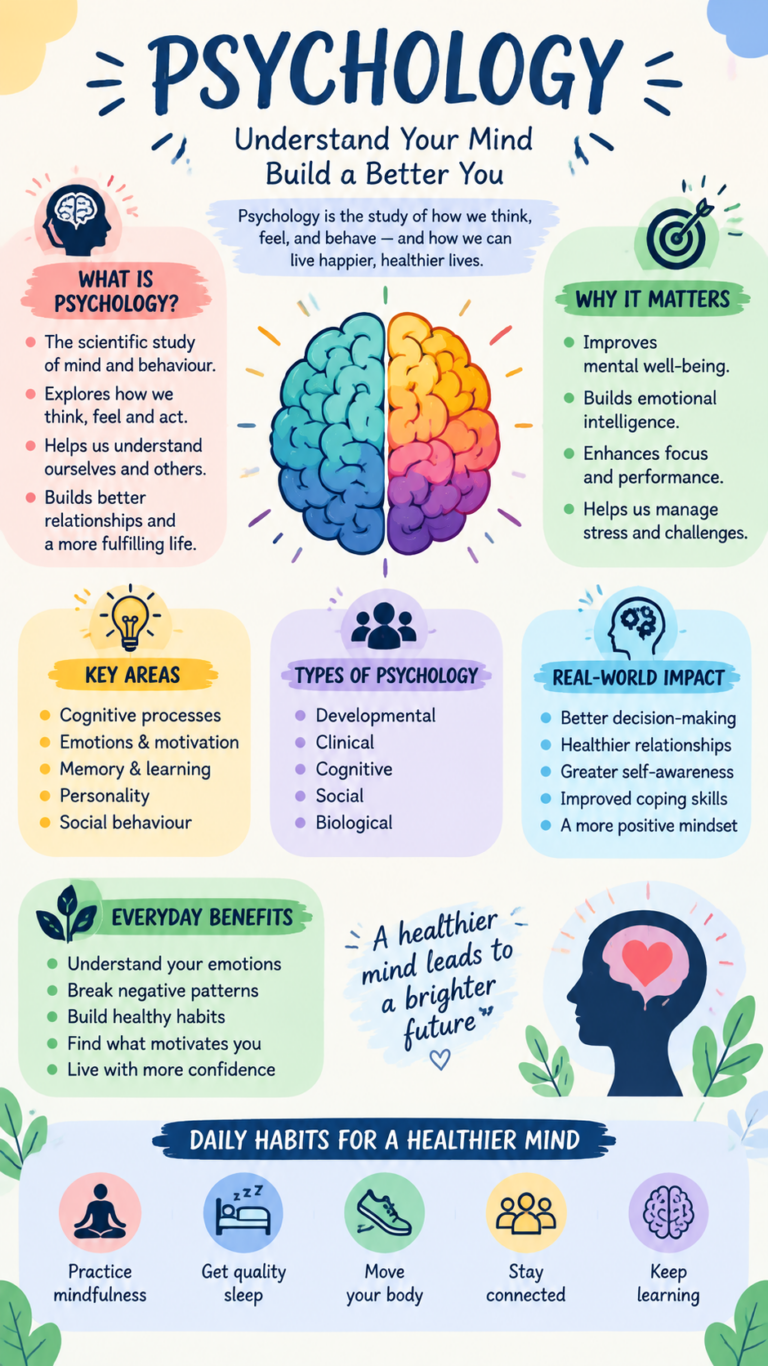
Mental health plays an essential role in how we think, feel, behave, and connect with the people around us. Yet, many psychological disorders remain misunderstood, often because their symptoms are invisible or difficult to explain. Understanding common mental health disorders can help us recognize warning signs, challenge harmful stereotypes, and encourage people to seek appropriate support. From persistent sadness and intense fear to intrusive thoughts and sleep difficulties, these conditions can affect everyday life in different ways.
Learning about psychological disorders does not mean diagnosing yourself or others. Instead, it provides a foundation for understanding emotional well-being, recognizing when something may need attention, and approaching mental health with greater compassion. This guide explores 10 common mental health conditions, their typical symptoms, possible effects on daily life, and the importance of professional care.
Key Takeaways
- Mental health disorders can affect emotions, thoughts, behavior, sleep, relationships, and daily routines.
- Phobias, depression, PTSD, OCD, bipolar disorder, insomnia, eating disorders, schizophrenia, paranoia-related symptoms, and panic disorder have different characteristics.
- Experiencing an occasional symptom does not automatically mean someone has a psychological disorder.
- Early professional support can help people understand symptoms and explore effective treatment options.
- Mental health conditions are not personal failures, and people experiencing them deserve respect, understanding, and appropriate care.
- Accurate information helps reduce stigma and encourages healthier conversations about mental wellness.
1. Phobias: Understanding Intense and Irrational Fears
A phobia is an intense fear or anxiety associated with a particular object, situation, activity, or environment. Although fear is a natural response that helps protect us from danger, a phobia can produce a level of distress that seems disproportionate to the actual threat.
People with phobias may understand that their fear is excessive, yet still find it difficult to control their reactions. They might avoid certain places, decline social activities, or organize their routines around preventing contact with the feared situation.
Common Types of Phobias
- Specific phobias: Intense fears involving particular objects or situations, such as spiders, heights, needles, or flying.
- Agoraphobia: Fear or anxiety about situations where escaping might feel difficult or help might seem unavailable if panic-like symptoms occur.
- Social anxiety disorder: Persistent fear of social situations where someone worries about being judged, embarrassed, or negatively evaluated. This is commonly called social phobia.
Signs and Symptoms
Phobias can cause a racing heartbeat, sweating, trembling, dizziness, nausea, shortness of breath, and an overwhelming urge to escape. Some people experience intense anticipatory anxiety before they even encounter the feared object or situation.
For example, someone with a severe fear of flying might avoid family vacations or important work trips. Another person may experience significant distress when speaking in a meeting or meeting unfamiliar people.
Effective treatment may include cognitive behavioral therapy (CBT) and carefully planned exposure therapy. These approaches help people understand fear responses and gradually develop healthier ways to manage them.
2. Depression: More Than Feeling Sad
Depression is a mental health condition that can affect mood, motivation, energy, concentration, sleep, appetite, and self-esteem. Unlike temporary sadness, a depressive episode can persist for weeks or longer and interfere with work, relationships, and ordinary responsibilities.
People experiencing depression may lose interest in activities they once enjoyed. Everyday tasks, such as preparing meals, answering messages, or getting out of bed, can begin to feel unusually difficult. Some people feel deeply sad, while others describe emotional numbness, emptiness, or persistent irritability.
Common Symptoms of Depression
- Persistent sadness, emptiness, or low mood.
- Reduced interest or pleasure in previously enjoyable activities.
- Low energy and persistent fatigue.
- Changes in appetite, weight, or sleeping patterns.
- Difficulty concentrating or making decisions.
- Feelings of worthlessness, excessive guilt, or hopelessness.
- Thoughts about death or suicide in some cases.
What Can Help?
Depression can develop through a combination of biological, psychological, social, and environmental factors. Stressful experiences, certain medical conditions, family history, and major life changes may contribute, although there is no single explanation for every person.
Treatment options include psychotherapy, medication when appropriate, and practical support with sleep, activity, and daily routines. A qualified healthcare professional can help determine which approaches are suitable for an individual’s circumstances.
Important: Depression is not simply a lack of willpower or a negative attitude. Telling someone to cheer up can make them feel misunderstood. Listening without judgment and encouraging professional support can be much more helpful.
3. Post-Traumatic Stress Disorder (PTSD)
Post-traumatic stress disorder, commonly known as PTSD, can develop after a person experiences or witnesses a traumatic event. Examples may include serious accidents, violence, abuse, combat, disasters, or other experiences involving actual or threatened death, serious injury, or sexual violence.
Not everyone who experiences trauma develops PTSD. People respond to difficult events differently, and symptoms can emerge soon after an event or become noticeable later. PTSD can affect a person’s sense of safety, emotional well-being, relationships, and ability to concentrate.
Recognizing PTSD Symptoms
- Flashbacks and intrusive memories: Unwanted recollections that make a person feel as though the event is happening again.
- Nightmares: Disturbing dreams related to trauma or feelings of danger.
- Hypervigilance: Feeling constantly alert, easily startled, or unable to relax.
- Avoidance: Staying away from people, places, conversations, or activities associated with the experience.
- Emotional changes: Persistent fear, guilt, shame, anger, detachment, or difficulty experiencing positive emotions.
PTSD symptoms can make ordinary situations feel threatening, even when the original danger has passed. A person may avoid crowded spaces, struggle with sleep, or become uncomfortable when something reminds them of the trauma.
Evidence-based treatments include trauma-focused cognitive behavioral therapy and other specialized psychotherapies. Some people may also benefit from medication prescribed by a qualified clinician.
Supporting someone with PTSD requires patience. Avoid pressuring them to describe traumatic experiences before they feel ready. Respecting their boundaries and helping them access appropriate care can make a meaningful difference.
4. Obsessive-Compulsive Disorder (OCD)
Obsessive-compulsive disorder is a mental health condition involving obsessions, compulsions, or both. Obsessions are unwanted, recurring thoughts, images, or urges that cause distress. Compulsions are repetitive behaviors or mental acts that someone feels driven to perform in response to anxiety or rigid internal rules.
OCD is often misunderstood as simply being extremely neat, organized, or particular about cleanliness. In reality, the condition can involve distressing thoughts and time-consuming rituals that interfere with everyday activities.
Common OCD Patterns
- Contamination fears: Persistent worries about germs, illness, or dirt that lead to excessive washing or cleaning.
- Checking: Repeatedly checking locks, appliances, messages, or other things because of fears that something bad might happen.
- Counting and repeating: Performing actions or mental rituals a specific number of times to reduce distress.
- Intrusive thoughts: Unwanted thoughts that cause significant anxiety or guilt, even when they do not reflect a person’s wishes or intentions.
- Hoarding-related difficulties: Persistent difficulty discarding possessions may occur alongside other symptoms, but hoarding disorder is a distinct diagnosis.
Understanding the OCD Cycle
An obsession may trigger anxiety, leading a person to perform a compulsion for temporary relief. That relief can reinforce the behavior, making the cycle increasingly difficult to interrupt.
For instance, someone may repeatedly check a door because they fear leaving it unlocked. Checking may briefly reduce anxiety, but doubt soon returns and creates the urge to check again.
Exposure and response prevention, a specialized form of CBT, is a well-established treatment for OCD. It helps people gradually face anxiety-provoking situations while learning not to rely on compulsions to manage distress.
5. Bipolar Disorder: Understanding Mood Episodes
Bipolar disorder is a mental health condition characterized by episodes of significant mood and energy changes. These episodes can include mania or hypomania and, in many cases, depression. The shifts are more substantial than the everyday ups and downs most people experience.
During a manic episode, someone may feel unusually energized, euphoric, irritable, or powerful. They may sleep much less than usual, speak rapidly, experience racing thoughts, or engage in impulsive activities with serious consequences.
During a depressive episode, the same person may experience persistent sadness, fatigue, low motivation, reduced interest, and difficulty functioning.
Common Signs of Bipolar Disorder
- Periods of unusually elevated, expansive, or irritable mood.
- Reduced need for sleep during manic or hypomanic episodes.
- Increased activity, rapid speech, or racing thoughts.
- Impulsive spending, risky decisions, or unusually high confidence.
- Episodes of low mood, hopelessness, or loss of interest.
- Changes in concentration, energy, and the ability to maintain daily responsibilities.
Important distinction: Bipolar disorder is not simply having different emotions throughout the day. Diagnosis involves evaluating the duration, intensity, pattern, and impact of mood episodes, while considering other possible explanations for the symptoms.
Treatment often involves medication, psychotherapy, regular sleep routines, and ongoing clinical monitoring. Recognizing early changes in mood and energy can help people and their healthcare teams respond before symptoms become more disruptive.
6. Insomnia: When Sleep Becomes a Struggle
Insomnia is a sleep disorder that makes it difficult to fall asleep, remain asleep, or return to sleep after waking too early. Even when a person has enough time and a suitable environment for sleep, they may struggle to obtain the rest they need.
Occasional sleeplessness is common, especially during periods of stress. However, persistent sleep difficulties that affect daytime functioning may indicate insomnia or another underlying problem that deserves attention.
Common Symptoms of Insomnia
- Difficulty falling asleep despite feeling tired.
- Waking repeatedly during the night.
- Waking earlier than intended and being unable to fall asleep again.
- Daytime fatigue, irritability, or low energy.
- Difficulty concentrating, remembering information, or making decisions.
- Worrying excessively about whether enough sleep will be possible.
Healthy Sleep Habits That May Help
Maintaining a consistent sleep schedule can support a healthier sleep-wake rhythm. A relaxing bedtime routine, reduced evening caffeine intake, and a comfortable bedroom may also help.
Cognitive behavioral therapy for insomnia, commonly called CBT-I, is an effective treatment for persistent insomnia. It addresses habits, thoughts, and patterns that contribute to sleep difficulties.
If sleep problems continue or significantly affect daily life, consult a healthcare professional. Sleep apnea, medication effects, pain, mood disorders, and other health conditions can also interfere with restful sleep.
7. Eating Disorders: The Relationship Between Food and Mental Health
Eating disorders are serious mental health conditions involving persistent disturbances in eating behavior and, in some cases, intense concerns about weight, shape, or body image. They can affect people of different ages, genders, body sizes, and backgrounds.
These disorders are not simply lifestyle choices or a lack of discipline. They can affect physical health, emotional well-being, relationships, and the ability to participate in everyday activities. Some people experience significant distress while others may hide their difficulties from friends and family.
Common Types of Eating Disorders
Anorexia Nervosa
Anorexia nervosa involves restrictive eating and an intense fear of gaining weight or persistent behaviors that interfere with weight gain. People may have a distorted perception of their bodies or struggle to recognize the seriousness of their condition. The disorder can cause dangerous nutritional and medical complications.
Bulimia Nervosa
Bulimia nervosa involves recurring episodes of binge eating accompanied by a sense of losing control, followed by compensatory behaviors. These may include self-induced vomiting, misuse of laxatives, fasting, or excessive exercise.
Binge-Eating Disorder
Binge-eating disorder involves recurrent episodes of eating unusually large amounts of food while experiencing a sense of lost control. Episodes may be accompanied by distress, shame, or guilt. Unlike bulimia nervosa, recurrent compensatory behaviors are not a defining feature.
Finding Support for Eating Disorders
Early recognition and treatment are important because eating disorders can lead to serious medical complications. Treatment may involve psychotherapy, nutritional counseling, medical monitoring, and other individualized support.
Comments about someone’s weight or appearance can unintentionally increase distress. A more helpful approach is to express concern about their well-being, listen respectfully, and encourage them to speak with a qualified healthcare professional.
8. Schizophrenia: Understanding Changes in Thinking and Perception
Schizophrenia is a serious mental health disorder that can affect how a person interprets reality, organizes thoughts, communicates, and interacts with others. Its symptoms vary considerably, and people living with schizophrenia may experience periods of improvement as well as periods of increased difficulty.
One common misconception is that schizophrenia means having multiple personalities. It does not. Schizophrenia and dissociative identity disorder are different conditions.
Common Symptoms of Schizophrenia
- Hallucinations: Sensory experiences, such as hearing voices, that occur without a corresponding external stimulus.
- Delusions: Strongly held beliefs that remain despite clear contradictory evidence.
- Disorganized thinking or speech: Difficulty connecting ideas or communicating in a clear, organized way.
- Reduced motivation: Difficulty initiating or maintaining everyday activities.
- Social withdrawal: Reduced participation in relationships, work, education, or community life.
- Cognitive difficulties: Problems with attention, memory, or planning may also occur.
Schizophrenia can develop through a complex interaction of genetic, biological, and environmental factors. It cannot be diagnosed from a single behavior or an unusual experience alone. A professional assessment is needed to distinguish it from other mental health conditions, substance-related effects, and medical causes.
Treatment may include antipsychotic medication, psychotherapy, family education, coordinated specialty care, and practical support with housing, education, or employment. With appropriate treatment and ongoing support, many people can improve their quality of life and pursue meaningful goals.
People with schizophrenia should not be defined by their diagnosis. The condition does not automatically make someone violent or dangerous, and stigma can create additional barriers to care and social inclusion.
9. Paranoia: Persistent Suspicion and Mistrust
Paranoia describes a pattern of intense suspicion or mistrust in which a person may believe that others intend to deceive, exploit, threaten, or harm them. Ordinary caution can be useful in genuinely unsafe situations, but persistent suspicions that are disproportionate to available evidence may cause significant distress.
Paranoia is a symptom or experience rather than a standalone diagnosis in every context. It can occur in several mental health conditions, including some psychotic disorders, and may also be associated with substance use, medication effects, neurological conditions, or other medical issues.
Possible Signs of Paranoia
- Persistent suspicion about other people’s intentions.
- Fear of betrayal, manipulation, or exploitation.
- Interpreting neutral comments or events as threatening.
- Difficulty trusting friends, relatives, colleagues, or strangers.
- Withdrawing from social situations because of concerns about being harmed or deceived.
For example, a person experiencing significant paranoia might interpret an ordinary conversation between coworkers as evidence of a plan against them. The suspicion can feel entirely convincing to the person experiencing it, even when others do not share that interpretation.
How to Respond Compassionately
Arguing aggressively or mocking someone’s fears may increase their distress. Instead, acknowledge that the experience feels frightening without automatically confirming an unverified belief. Encourage professional evaluation, especially when the suspicions are new, worsening, or interfering with daily life.
Sudden paranoia accompanied by confusion, severe agitation, or other abrupt changes in mental state may require urgent medical assessment because several medical and psychiatric causes are possible.
10. Panic Disorder: When Fear Arrives Suddenly
Panic disorder involves recurrent, unexpected panic attacks and ongoing concern about having additional attacks or changes in behavior intended to prevent them. A panic attack is a sudden surge of intense fear or discomfort that can produce powerful physical and emotional symptoms.
Panic attacks can feel frightening because the body reacts as though danger is present. Some people fear they are having a heart attack, losing control, or experiencing a life-threatening emergency. Although panic attacks themselves are not necessarily dangerous, similar symptoms can occur with medical emergencies, so new or severe symptoms should not automatically be attributed to anxiety.
Common Panic Attack Symptoms
- Rapid or pounding heartbeat.
- Shortness of breath or a sensation of being unable to breathe comfortably.
- Sweating, trembling, or shaking.
- Chest discomfort or tightness.
- Dizziness, nausea, chills, or sudden warmth.
- Fear of dying, losing control, or something terrible happening.
- A feeling of unreality or being disconnected from the surroundings.
A panic attack often reaches its peak within minutes, although the duration and intensity vary. Afterward, a person may feel exhausted or worry about another episode. This fear can lead to avoiding exercise, public transport, crowded places, or other situations associated with previous attacks.
Treatment and Coping Strategies
Cognitive behavioral therapy can help people recognize and change the thought patterns that intensify panic. Medication may also be appropriate depending on the person’s symptoms and clinical circumstances.
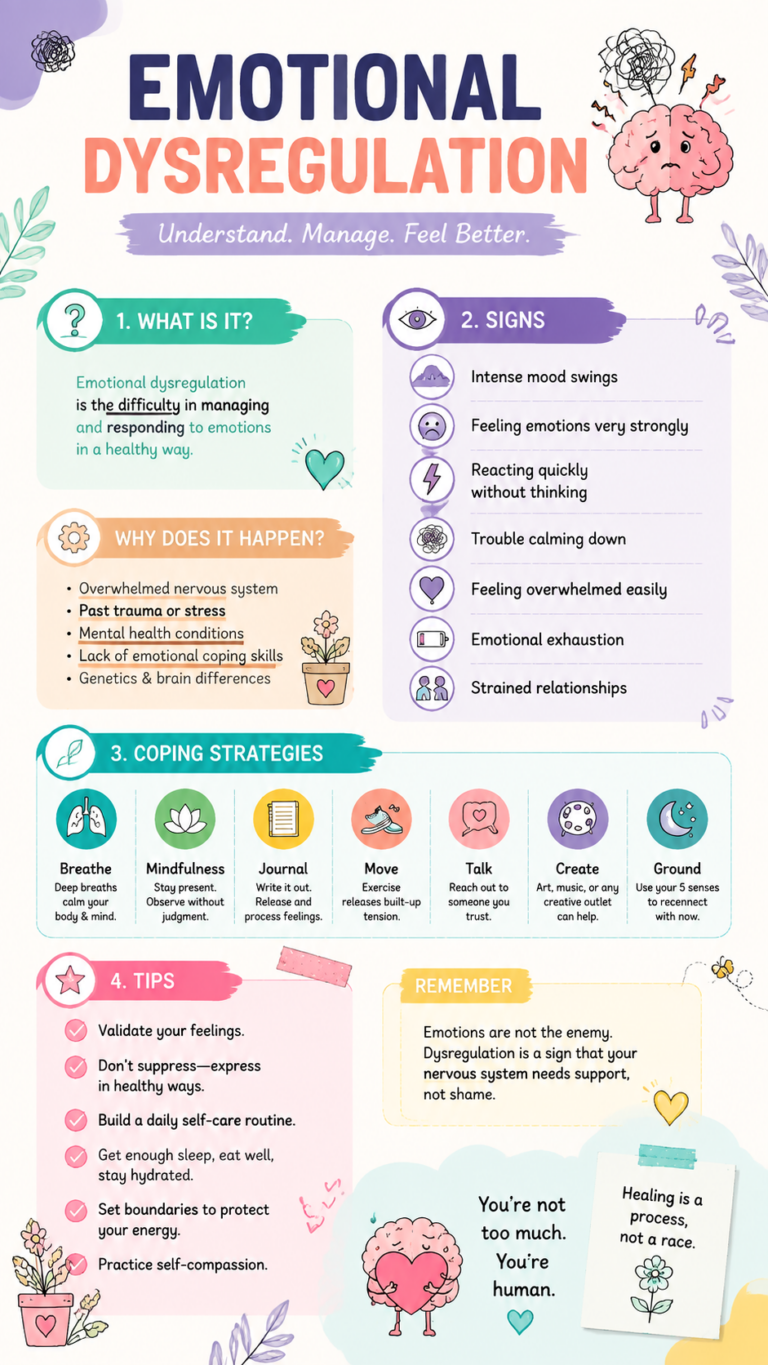
During a familiar panic episode, some people find it helpful to sit somewhere safe, relax tense muscles, and breathe gently at a comfortable pace. Trying to force very deep or rapid breaths may make dizziness or tingling worse. Grounding techniques can also help redirect attention to the immediate environment.
Seek urgent medical assistance for new or severe chest pain, serious breathing difficulty, fainting, or symptoms that could indicate a medical emergency. A clinician can help determine the cause and recommend suitable treatment.
How to Recognize When Mental Health Support May Be Needed
Many people experience stress, sadness, fear, or difficulty sleeping at different points in life. These experiences do not automatically indicate a mental health disorder. The important questions are how persistent the symptoms are, how intense they become, and whether they interfere with daily functioning.
Consider speaking with a qualified healthcare professional when emotional or behavioral changes persist, worsen, or begin affecting relationships, work, education, sleep, eating habits, or personal care.
Warning Signs Worth Paying Attention To
- Persistent sadness, anxiety, fear, or irritability.
- Major changes in sleep, appetite, energy, or motivation.
- Increasing withdrawal from friends, family, or previously enjoyable activities.
- Difficulty concentrating, managing responsibilities, or maintaining relationships.
- Repetitive behaviors or fears that consume substantial time.
- Experiences that significantly affect a person’s perception of reality.
- Thoughts of self-harm, suicide, or being unable to stay safe.
When symptoms are severe or safety is at risk, seek urgent help through local emergency services or a crisis support service. If someone may act on suicidal thoughts, do not leave them alone when it is safe to remain with them, and help them access immediate professional assistance.
Why Mental Health Awareness Matters
Mental health awareness helps people recognize that psychological difficulties are not always visible. Someone may appear cheerful at work while privately struggling with depression, experience overwhelming fear despite understanding that a situation is safe, or hide compulsive behaviors because they feel embarrassed.
Learning about mental health disorders encourages more thoughtful conversations and helps replace stereotypes with accurate information. It can also make it easier for people to recognize when they or someone they care about might benefit from professional support.
Why This Matters
Mental health conditions are complex, and symptoms can overlap. Depression may affect sleep and concentration, panic can resemble certain medical problems, and suspicious thoughts can have several possible causes. Reliable information is a starting point, not a substitute for a professional assessment. Compassion, accurate evaluation, and individualized treatment are essential.
Practical Ways to Support Mental Wellness
- Learn from reliable sources. Use information from qualified healthcare professionals and established mental health organizations instead of relying on social media claims alone.
- Practice active listening. Give people space to express their feelings without immediately offering criticism or solutions.
- Encourage professional care. A doctor, psychologist, psychiatrist, or other qualified professional can help assess symptoms and discuss appropriate options.
- Maintain supportive routines. Regular sleep, balanced meals, physical activity, and social connection can support general well-being, although they are not replacements for necessary treatment.
- Respect individual experiences. People with the same diagnosis may have different symptoms, needs, strengths, and treatment journeys.
- Challenge harmful stereotypes. Avoid using diagnoses as insults or assuming that a condition defines someone’s personality or abilities.
Common Questions About Psychological Disorders
Can someone have more than one mental health disorder?
Yes. Some people experience more than one mental health condition at the same time. For example, depression can occur alongside an anxiety disorder, and insomnia may coexist with several other conditions. A professional assessment can help identify overlapping symptoms and guide treatment.
Can mental health disorders be treated?
Many mental health conditions can be managed effectively, and treatment can help reduce symptoms, improve daily functioning, and support recovery. Options vary by condition and may include psychotherapy, medication, community support, lifestyle adjustments, or a combination of approaches. Progress looks different for every person.
Does having symptoms mean someone has a disorder?
No. Occasional worry, sadness, intrusive thoughts, or poor sleep can happen without indicating a diagnosable condition. Diagnosis depends on factors such as symptom patterns, duration, severity, distress, functional impairment, and possible medical or substance-related explanations.
How can I help a loved one who may be struggling?
Choose a calm moment to express concern, describe what you have noticed without making assumptions, and listen to their perspective. Offer practical help with finding a healthcare professional or attending an appointment if they want support. Avoid pressuring them to disclose more than they feel comfortable sharing.
Quick Points: 10 Mental Health Disorders at a Glance
- Phobias: Intense fear or anxiety linked to specific objects, situations, or social evaluation.
- Depression: Persistent low mood or loss of interest that affects everyday life.
- PTSD: Trauma-related symptoms such as intrusive memories, avoidance, and heightened alertness.
- OCD: Unwanted obsessions and repetitive compulsions that cause distress or interfere with daily routines.
- Bipolar disorder: Episodes of significant mood and energy changes, including mania or hypomania and often depression.
- Insomnia: Persistent difficulty falling asleep, staying asleep, or obtaining restorative sleep.
- Eating disorders: Serious disturbances in eating behavior that can affect physical and psychological health.
- Schizophrenia: A condition that can affect perception, thinking, communication, and functioning.
- Paranoia-related symptoms: Persistent suspicion or beliefs about possible threats that cause distress.
- Panic disorder: Recurrent unexpected panic attacks accompanied by ongoing worry or behavior changes.
Conclusion: Understanding Mental Health Is a Step Toward Better Well-Being
Understanding the 10 common mental health disorders discussed in this guide can help you recognize the many ways psychological difficulties affect people’s lives. Phobias, depression, PTSD, OCD, bipolar disorder, insomnia, eating disorders, schizophrenia, paranoia-related symptoms, and panic disorder have different features, but each deserves thoughtful attention and compassionate care.
The most important lesson is that mental health symptoms should not be dismissed, mocked, or used to label someone. Persistent emotional distress, disruptive behavioral patterns, or significant changes in everyday functioning may be reasons to seek professional guidance. At the same time, a symptom checklist cannot establish a diagnosis, and online information should never replace individualized medical advice.
Whether you are learning for personal understanding or hoping to support someone you care about, small steps can make a difference. Listen without judgment, share reliable information, encourage appropriate treatment, and remember that recovery does not look the same for everyone.
Building mental health awareness starts with curiosity, empathy, and a willingness to understand experiences that may be different from our own. By continuing to learn and speaking openly about psychological well-being, we can help create environments where people feel safer asking for support and seeking the care they deserve.
Tags
Mental Health Awareness
Psychological Disorders
Depression Symptoms
Anxiety and Phobias
PTSD Awareness
OCD Education
Bipolar Disorder
Mental Wellness