Psychology Guide Key Concepts, Mental Health, Personality, and Human Behavior
Psychology helps us understand why we think, feel, and behave the way we do. From the way we form relationships to how we manage stress, make decisions, and develop our personalities, psychology offers valuable insights into everyday life. Learning the basics of psychology can improve self-awareness, strengthen communication, support personal growth, and help us understand the people around us.
Whether you are a psychology student, a curious learner, or someone interested in mental health and self-improvement, exploring the science of mind and behavior can open the door to meaningful discoveries. By understanding cognitive processes, personality, social interactions, and emotional well-being, you can develop practical skills that support a healthier and more balanced life.
Key Takeaways
- Psychology is the scientific study of the mind, behavior, and mental processes.
- Cognitive psychology explores memory, attention, perception, thinking, and problem-solving.
- Developmental psychology examines how people change throughout their lives.
- Social psychology explains how other people and social environments influence our behavior.
- Understanding personality and emotional well-being can support healthier relationships and personal growth.
- Simple habits, including adequate sleep, regular exercise, gratitude, and relaxation, can contribute to a healthier mind.
What Is Psychology? Understanding the Science of Mind and Behavior
Psychology is the scientific study of mental processes and behavior. It investigates how people perceive the world, process information, experience emotions, develop habits, and interact with others. Rather than relying entirely on personal opinions or assumptions, psychologists use observation, research, experiments, and analysis to explore questions about human behavior.
The subject covers a wide range of experiences, from simple everyday decisions to complex emotional responses. Why do certain memories stay with us for years? How do we develop our personalities? What influences our choices? Why do people respond differently to similar situations? Psychology provides methods for investigating these questions and understanding the factors that shape human experiences.
Why Is Psychology Important?
Psychology matters because our thoughts, emotions, and behaviors influence almost every part of daily life. It can help us recognize unhelpful patterns, communicate more effectively, approach challenges with greater awareness, and understand why other people may see situations differently.
Psychological knowledge is also valuable in education, healthcare, workplaces, communities, and relationships. Teachers can use insights about learning to support students, organizations can improve teamwork, and mental health professionals can use psychological research to guide appropriate care.
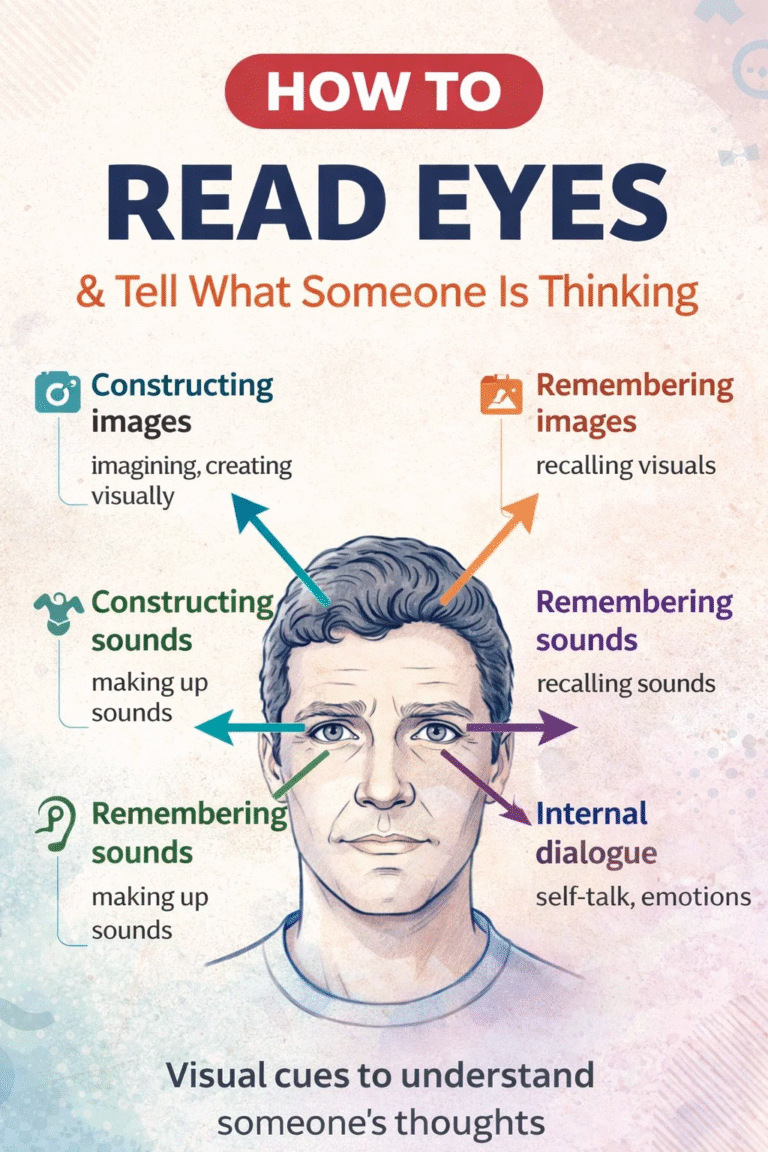
Important: Psychology is not simply about reading people’s minds or assigning labels to their personalities. It is a scientific discipline that examines patterns, considers evidence, and recognizes that human behavior is influenced by many interacting factors.
The Key Areas of Psychology
Psychology contains several specialized areas, each offering a different perspective on the human mind and behavior. These fields often overlap, creating a more complete understanding of how people think, feel, learn, develop, and relate to others.
1. Cognitive Psychology: How the Mind Processes Information
Cognitive psychology focuses on mental processes such as attention, memory, perception, language, reasoning, and problem-solving. It explores how people take in information, interpret experiences, store knowledge, and use what they have learned to make decisions.
For example, when you study for an examination, your brain must direct attention toward important information, connect new ideas with existing knowledge, and retrieve that information later. Cognitive psychology investigates how these processes work and what can make learning more effective.
Everyday Examples of Cognitive Psychology
- Attention: Focusing on a conversation while ignoring distractions.
- Memory: Remembering instructions, names, experiences, and learned skills.
- Perception: Interpreting sights, sounds, and other sensory information.
- Thinking: Comparing possibilities and evaluating different ideas.
- Problem-solving: Finding practical solutions to everyday challenges.
- Language: Understanding words and communicating ideas clearly.
Understanding cognitive processes can help you choose better study strategies, organize information, and recognize how assumptions or mental shortcuts sometimes influence decisions.
2. Developmental Psychology: How People Change Over Time
Developmental psychology examines physical, cognitive, emotional, and social changes throughout the lifespan. It explores how people grow from infancy through childhood, adolescence, adulthood, and older age.
During childhood, people develop language, coordination, emotional regulation, and social skills. Adolescence often brings new responsibilities and changes in identity, relationships, and decision-making. Adulthood can involve further learning, changing priorities, and adapting to new roles and circumstances.
Development does not stop at a particular age. People can continue learning, adjusting their habits, building relationships, and developing new skills throughout life.
Four Dimensions of Human Development
- Physical development: Changes in the body, movement, and physical abilities.
- Cognitive development: Changes in thinking, memory, language, and reasoning.
- Emotional development: Changes in recognizing, expressing, and managing emotions.
- Social development: Changes in relationships, communication, and social understanding.
Developmental psychology reminds us that people have different experiences, needs, and challenges at different stages of life. Understanding these differences can encourage patience, empathy, and more appropriate support.
3. Social Psychology: How People Influence One Another
Social psychology explores how people’s thoughts, feelings, and behaviors are influenced by other people and the social environments around them. It examines group behavior, social expectations, attitudes, persuasion, cooperation, prejudice, and interpersonal relationships.
Imagine that you are deciding whether to share an opinion in a meeting. Your decision might depend not only on what you believe but also on how comfortable you feel with the group, whether others seem supportive, and whether you expect criticism. Social psychology investigates these kinds of influences.
It also helps explain why people sometimes behave differently in groups than they do when they are alone. Social pressure, shared expectations, and the desire to belong can influence choices, even when people do not consciously recognize those influences.
How Social Psychology Can Improve Relationships
- Listen carefully before forming conclusions about another person’s intentions.
- Recognize that social pressure can influence decisions.
- Consider different perspectives during disagreements.
- Notice how group expectations affect communication and behavior.
- Practice empathy while maintaining healthy personal boundaries.
These skills can be useful in friendships, families, classrooms, workplaces, and online communities. They encourage more thoughtful communication and help people understand the social factors behind everyday interactions.
4. Personality Psychology: Understanding Individual Differences
Personality psychology studies the relatively enduring patterns of thoughts, emotions, motivations, and behaviors that help distinguish one person from another. It explores why individuals may respond differently to the same situation and how personality relates to relationships, work, preferences, and everyday decisions.
Some people naturally seek social interaction, while others prefer quieter environments. Some enjoy planning and structure, while others feel more comfortable with flexibility. These differences can influence how people approach responsibilities, manage uncertainty, and build connections.
Personality is shaped by a combination of influences, including biological factors, experiences, learning, relationships, and environment. It is not necessarily fixed in every respect. People can develop new skills, adjust behaviors, and respond differently as their circumstances change.
Using Personality Insights in Everyday Life
- Recognize your strengths without assuming they define everything about you.
- Understand that other people may have different communication preferences.
- Identify situations in which you feel comfortable or challenged.
- Use self-reflection to recognize habits you would like to change.
- Avoid treating personality descriptions as permanent labels or diagnoses.
Personality awareness can support personal growth, but it is most useful when it encourages curiosity rather than limiting beliefs about what you or someone else can become.
5. Abnormal Psychology: Understanding Mental Health Conditions
Abnormal psychology examines psychological difficulties, mental health conditions, and patterns of distress that can interfere with everyday functioning. It includes the study of anxiety disorders, mood disorders, schizophrenia, and certain personality disorders, among other conditions.
These conditions can affect thoughts, emotions, relationships, concentration, sleep, and daily responsibilities. Their development may involve a complex combination of biological, psychological, social, and environmental factors. Experiences differ considerably from one person to another.
Learning about mental health can reduce stigma and encourage people to seek appropriate support. It is important, however, to avoid diagnosing yourself or others based on a short list of symptoms or an online description.
Remember: Experiencing stress, worry, sadness, or an unusual thought does not automatically mean someone has a mental health disorder. When symptoms are persistent, distressing, or interfere with daily life, a qualified mental health professional can help assess the situation and discuss suitable support.
The Role of Psychological Treatment
Psychological treatment can help people understand their experiences, develop coping strategies, and work toward meaningful goals. Depending on the person’s needs, treatment may involve psychotherapy, practical skills training, medication prescribed by an appropriate healthcare professional, or a combination of approaches.
Evidence-based care is tailored to the individual and may take time. Seeking help is a constructive step toward well-being, not a sign of weakness.
Major Psychological Approaches and Perspectives
Psychologists use different theoretical perspectives to understand behavior. Each approach highlights particular influences and research questions. No single perspective explains every aspect of human experience, so researchers and practitioners often draw on multiple approaches.
Biological Perspective
The biological perspective examines how the brain, nervous system, genes, hormones, and other physiological processes relate to behavior and mental experiences. Research in this area helps explain how biological processes interact with learning, environment, and personal history.
For example, studying the relationship between sleep and attention can help researchers understand why insufficient rest may make concentration and emotional regulation more difficult.
Behavioral Perspective
The behavioral perspective focuses on observable behavior and how experiences influence learning. Conditioning, reinforcement, and consequences can help explain why certain habits develop and continue.
For instance, a person who receives positive feedback after practicing a skill may become more motivated to practice again. Understanding these patterns can support habit development and behavior change.
Cognitive Perspective
The cognitive perspective examines how people interpret experiences, organize information, form expectations, and make decisions. It recognizes that the meaning people assign to an event can influence how they feel and respond.
Two people may experience the same setback but interpret it differently. One may view it as evidence of permanent failure, while another sees an opportunity to learn. Cognitive approaches explore how interpretations affect emotions and behavior, while recognizing that real-life difficulties cannot always be solved by changing one’s thinking alone.
Humanistic Perspective
The humanistic perspective emphasizes personal experience, individual potential, meaning, and the capacity for growth. It highlights the importance of understanding people as individuals with their own values, goals, and needs.
This approach can encourage self-reflection and help people consider what a meaningful life looks like to them. It also emphasizes the value of empathy, acceptance, and supportive relationships.
Psychoanalytic and Psychodynamic Perspectives
Psychoanalytic and related psychodynamic perspectives explore how unconscious processes, early experiences, emotional conflicts, and relationship patterns may influence behavior. These approaches have evolved over time, and contemporary psychodynamic theories differ from some of the original ideas associated with early psychoanalysis.
They can offer one way to think about recurring emotional patterns, but specific explanations should be considered carefully and in light of available evidence. Psychological research continues to evaluate theories and methods across the field.
Why This Matters
Different psychological perspectives provide different pieces of the puzzle. A habit may be influenced by its consequences, a stressful reaction may involve the body’s response to threat, and a disagreement may reflect different interpretations or social expectations. Considering several perspectives can lead to a more balanced understanding than relying on a single explanation.
How Psychology Supports Personal Growth
One of the most practical benefits of psychology is the opportunity to understand your own patterns more clearly. Self-awareness does not mean analyzing every thought or trying to control every emotion. It means becoming more familiar with your reactions, recognizing what matters to you, and making deliberate choices when possible.
Practice Self-Awareness
Self-awareness begins with noticing what happens in everyday situations. You might observe which activities energize you, what tends to trigger frustration, or how you react when plans change. Writing down these observations can help you recognize patterns over time.
Try asking yourself a few simple questions at the end of the day:
- What experience affected my mood today?
- How did I respond when something became difficult?
- What went well, and what would I approach differently next time?
- Did my actions reflect the values that matter to me?
The goal is to learn, not to criticize yourself. A balanced approach includes recognizing strengths as well as areas for improvement.
Build Healthier Habits
Habits are behaviors that become easier to repeat through practice and familiar cues. Instead of relying entirely on motivation, you can make useful behaviors more manageable by connecting them to existing routines.
For example, if you want to read more, try reading a few pages after breakfast. If you want to practice mindfulness, spend two minutes focusing on your breathing before starting work. Small, repeatable actions can be easier to maintain than ambitious routines that require major changes all at once.
Improve Communication and Relationships
Psychology can help you become more aware of how assumptions, emotions, and communication styles influence relationships. Listening carefully, asking questions, and expressing needs clearly can reduce misunderstandings.
When a disagreement occurs, consider pausing before responding. Describe the situation without making personal attacks, explain how it affected you, and give the other person an opportunity to share their perspective. Healthy communication does not eliminate every conflict, but it can make difficult conversations more constructive.
Manage Stress With Practical Strategies
Stress is a natural response to demands and challenges, but ongoing stress can affect concentration, sleep, mood, and relationships. Psychology offers several strategies that may help people respond to stressful situations more effectively.
- Break tasks into smaller steps: A manageable starting point can reduce the feeling of being overwhelmed.
- Use relaxation techniques: Slow breathing, gentle stretching, or mindfulness may help you settle after a demanding experience.
- Protect time for rest: Regular breaks can help you maintain energy and attention.
- Stay connected: Talking with someone you trust can provide emotional support and perspective.
- Review your expectations: Focus on what you can influence rather than demanding perfection from yourself.
Different strategies work for different people. If stress becomes persistent or seriously affects daily functioning, professional support may be helpful.
Daily Habits for a Healthier Mind
A healthy mind is supported by more than positive thinking. Emotional well-being is connected to physical health, social support, daily routines, and the conditions in which people live. Practical habits can help create a foundation for managing everyday challenges.
1. Practice Gratitude
Take a moment to notice something you appreciate, such as a helpful conversation, a satisfying meal, or progress on a personal goal. You might write down one or two positive experiences each evening. Gratitude is not about ignoring hardship. It is about making room for positive experiences alongside life’s difficulties.
2. Prioritize Consistent Sleep
Sleep supports attention, learning, memory, and emotional regulation. Creating a regular bedtime routine, allowing enough time for rest, and limiting stimulating activities close to bedtime may help improve sleep habits.
If sleep difficulties continue or interfere with daily life, consider discussing them with a healthcare professional rather than assuming they are simply a lack of discipline.
3. Move Your Body Regularly
Physical activity can support physical health and contribute to emotional well-being. Walking, cycling, dancing, stretching, gardening, or another enjoyable activity can help you build movement into your routine.
You do not need an elaborate fitness plan to get started. Choose an activity that suits your abilities and circumstances, then increase it gradually when appropriate.
4. Organize Your Day
Planning can make responsibilities feel more manageable. Identify your most important tasks, estimate how much time they may require, and schedule short breaks. Leave some flexibility for unexpected events rather than expecting every minute to go according to plan.
Organization is not about controlling everything. It is about creating enough structure to focus on what matters while leaving room for rest and change.
5. Make Time for Relaxation
Relaxation can involve reading, listening to music, spending time outdoors, practicing mindfulness, enjoying a creative hobby, or simply taking a quiet break. Choose activities that help you recover from daily demands rather than adding another obligation to your schedule.
Mindfulness can be as simple as noticing your breathing for a few moments or paying attention to the sensations involved in an ordinary activity. If focusing inward feels uncomfortable, try a gentle walk or another grounding activity instead.
6. Talk About Your Feelings
Recognizing and expressing emotions can help you understand your needs and communicate more clearly. You might write privately, speak with a trusted friend, or discuss recurring difficulties with a qualified professional.
There is no need to force yourself to feel positive all the time. Emotional well-being includes making space for disappointment, uncertainty, anger, and sadness while finding healthy ways to respond.
Pro Tip: Start with one habit that feels realistic enough to repeat. A short walk, a consistent bedtime, or a few minutes of reflection may be more useful than attempting to change your entire lifestyle in one day. Build gradually and adjust your routine to fit your real needs.
How to Start Learning Psychology
You do not need to be a university student to begin exploring psychology. A curious mindset, reliable learning resources, and a willingness to question assumptions can help you build a useful understanding of the subject.
Choose One Topic at a Time
Start with a subject that interests you, such as memory, personality, motivation, emotions, relationships, or mental health. Learn the basic concepts before moving to more advanced theories. This approach makes unfamiliar terminology easier to understand.
Use Reliable Educational Resources
Look for introductory psychology textbooks, university learning materials, professional psychology organizations, and research summaries that explain where their information comes from. Be cautious with social media posts that present a single behavior as proof of a particular personality type or mental health condition.
Popular psychology content can be an enjoyable introduction, but complex claims deserve closer examination. Check whether a statement is supported by research, whether the evidence has limitations, and whether other explanations are possible.
Connect Concepts to Everyday Experiences
As you learn, consider how a concept might apply to ordinary situations. When studying memory, reflect on which study methods help you remember information. When learning about social influence, consider how group expectations affect decisions. When exploring emotional regulation, notice what helps you respond calmly to frustration.
Use these observations as opportunities for reflection rather than proof that a psychological theory explains everything about a particular person or event.
Keep a Psychology Journal
A simple journal can help you organize what you learn. Write down a concept, explain it in your own words, and add an everyday example. You can also note questions that arise and revisit them after reading more.
This method encourages active learning and helps you distinguish between a research-based concept, your personal interpretation, and an unanswered question.
Psychology at a Glance
- Mind and behavior: Psychology studies how people think, feel, learn, and act.
- Cognitive processes: Memory, attention, perception, language, and reasoning help us process information.
- Human development: People continue changing and learning throughout life.
- Social connections: Relationships and group environments can influence decisions and behavior.
- Everyday well-being: Sleep, movement, supportive relationships, and manageable routines can help support mental health.
Conclusion: Use Psychology to Understand Yourself and Others
Psychology offers a fascinating way to explore the thoughts, emotions, and behaviors that shape everyday life. From cognitive processes and personality to human development, social influence, and mental health, its different branches reveal how complex and adaptable people can be.
Learning psychology can help you become more aware of your habits, communicate with greater empathy, approach challenges more thoughtfully, and recognize when additional support may be needed. Its lessons are useful not because they provide a simple explanation for every behavior, but because they encourage observation, curiosity, and evidence-based thinking.
Begin with one concept that interests you. Explore it through reliable resources, connect it to everyday experiences, and consider how you might use what you learn to make thoughtful choices. Small steps toward understanding yourself and others can lead to meaningful personal growth over time.
Most importantly, remember that progress does not require perfection. A healthier relationship with your mind develops through patience, practice, supportive connections, and a willingness to keep learning. Let psychology be a tool for greater understanding, not a collection of labels that limits who you can become.
Tags
Psychology
Human Behavior
Cognitive Psychology
Personality Psychology
Mental Health
Personal Growth
Social Psychology
Emotional Well-Being