
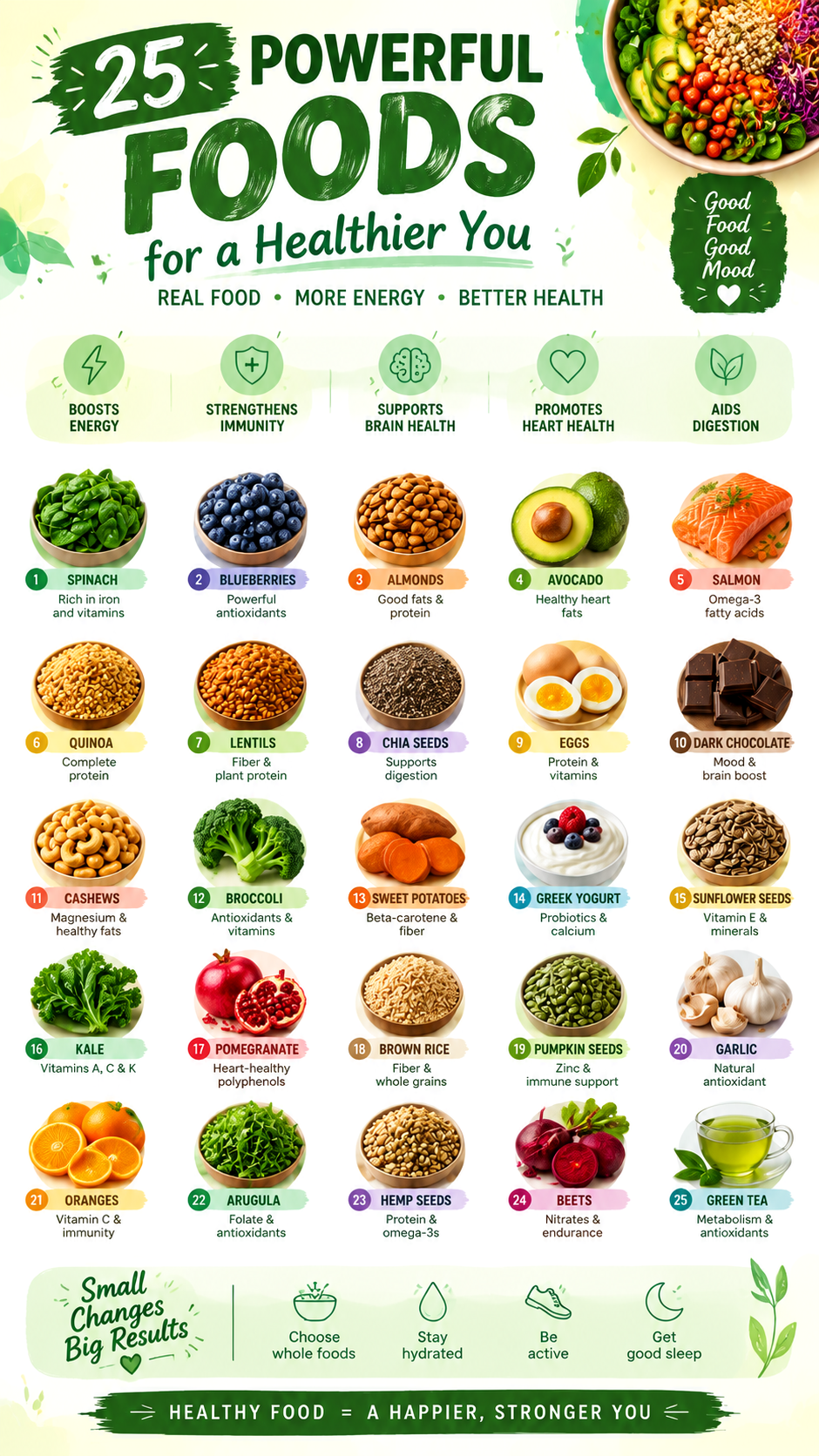
30 Iron Rich Foods to Boost Energy Fight Iron Deficiency Naturally
Iron plays a powerful role in helping your body produce energy, support healthy blood cells, and maintain overall wellness. If you often feel tired, low on energy, or simply want to improve your nutrition, adding more iron rich foods to your meals can be a smart and natural approach. From leafy greens and legumes to seafood, seeds, and nutrient-packed pantry staples, there are many delicious options to explore.
This guide highlights a variety of foods naturally rich in iron and explains how they can fit into a balanced diet. Whether you are looking for healthy meal inspiration, ways to support iron intake, or simple nutrition tips, these choices can help you build more nourishing everyday meals.
Key Takeaways
- Iron rich foods support normal energy production and healthy blood function.
- Plant-based and animal-based foods can both contribute valuable iron.
- Combining iron foods with vitamin C sources may help improve absorption.
- Seeds, beans, greens, seafood, and lean meats are versatile nutrition choices.
- Balanced meals are the foundation of long-term wellness.
Why Iron Rich Foods Matter for Your Health
Iron is an essential mineral that your body needs every day. One of its main functions is helping create hemoglobin, a protein in red blood cells that carries oxygen throughout the body. When your body receives enough oxygen, your organs, muscles, and tissues can work efficiently.
Many people search for iron rich foods because they want to support energy levels, maintain a balanced diet, and prevent low iron intake. Including a variety of iron sources in your meals can make healthy eating easier and more enjoyable.
Important: Iron needs can vary depending on age, lifestyle, and individual health factors. A varied diet with different iron rich foods helps provide a broad range of nutrients instead of relying on one single source.
30 Iron Rich Foods to Add to Your Meals
Leafy Greens and Plant-Based Iron Sources
Plant-based foods can be excellent additions to an iron conscious eating plan. Many are also rich in fiber, vitamins, minerals, and antioxidants, making them valuable for overall nutrition.
- Spinach: A popular leafy green that works well in salads, smoothies, omelets, and cooked dishes.
- Lentils: A filling legume that can be added to soups, curries, bowls, and salads.
- Chickpeas: A versatile ingredient for hummus, roasted snacks, and protein-rich meals.
- Black beans: A nutritious option for wraps, tacos, soups, and grain bowls.
- Kidney beans: A hearty addition to chili, salads, and comfort foods.
- Quinoa: A nutrient-rich grain alternative that pairs well with vegetables and proteins.
- Amaranth: A traditional grain that can add variety to breakfast bowls and meals.
- Bok choy: A green vegetable that works beautifully in stir-fries and Asian-inspired dishes.
Seeds, Nuts, and Healthy Pantry Staples
Seeds and nuts are convenient foods that can easily increase the nutrient value of everyday meals. Sprinkle them over yogurt, salads, oatmeal, or roasted vegetables for extra texture and flavor.
- Pumpkin seeds: A simple snack option and a great topping for many dishes.
- Sesame seeds: A flavorful ingredient used in dressings, sauces, and baked foods.
- Sunflower seeds: A crunchy addition to snacks and salads.
- Cashews: A creamy nut that can be enjoyed alone or added to recipes.
- Pistachios: A satisfying snack with a naturally rich flavor.
- Watermelon seeds: A lesser-known option that adds nutritional variety.
- Molasses: A traditional sweetener that can be used in moderation.
Animal-Based Iron Sources
Animal foods provide another way to include iron in a balanced diet. Many of these options are also excellent sources of protein and other important nutrients.
- Chicken liver: A nutrient-dense food that is traditionally recognized as a rich source of minerals.
- Beef: A protein-rich choice that can be prepared in many different ways.
- Turkey: A lean protein option for sandwiches, salads, and main dishes.
- Sardines: A seafood option that can be added to meals for extra nutrition.
- Eggs: A convenient food that works for breakfast, lunch, or dinner.
Other Nutrient-Rich Choices
The list of iron rich foods does not stop there. Many everyday ingredients can contribute to a varied eating pattern.
- Tofu and fermented soybeans: Plant-based protein options for many types of meals.
- Dark chocolate: A flavorful treat that can be enjoyed in moderation.
- Dried apricots: A naturally sweet snack choice.
- Broccoli: A vegetable that pairs well with many iron-containing meals.
- Red lentils: A quick-cooking ingredient for soups and stews.
How to Improve Iron Absorption Naturally
Eating iron rich foods is an important step, but how you combine foods can also influence how your body uses nutrients. Small meal adjustments can make your nutrition routine more effective.
Pair Iron Foods With Vitamin C
Foods such as citrus fruits, berries, tomatoes, and bell peppers can complement iron-containing meals. Adding fresh vegetables or fruit to your plate is an easy way to create more balanced combinations.
Create Balanced Meals
A healthy plate often includes a mix of protein, vegetables, whole grains, and healthy fats. Combining different food groups creates satisfying meals that support overall wellness.
Common Signs of Low Iron Intake
People often look for iron rich foods when they notice changes in their daily energy or overall wellness. While food is an important part of nutrition, persistent symptoms should always be discussed with a qualified healthcare professional.
- Feeling tired or unusually low in energy
- Difficulty maintaining normal focus
- Pale appearance
- Shortness of breath during normal activities
- Changes in hair, skin, or nails
Expert Insight
A food-first approach can help many people build stronger nutrition habits. Variety matters because different foods provide different combinations of minerals, vitamins, protein, and other beneficial compounds.
Simple Ways to Add More Iron Rich Foods Daily
- Add spinach or leafy greens to breakfast dishes and smoothies.
- Keep nuts and seeds available for easy snacks.
- Prepare bean-based meals for affordable, nutrient-rich options.
- Include seafood, eggs, or lean meats as part of balanced meals if desired.
- Experiment with new recipes to keep healthy eating interesting.
At a Glance
- Choose a variety of iron rich foods.
- Mix plant and animal sources when appropriate.
- Combine meals with colorful fruits and vegetables.
- Focus on consistent healthy eating habits.
Conclusion
Adding iron rich foods to your daily meals is a simple way to support a more balanced and nourishing lifestyle. From spinach and lentils to seeds, seafood, and protein-rich choices, there are many delicious ways to increase variety in your diet.
Healthy eating does not have to feel complicated. Small changes, thoughtful food combinations, and a focus on nutrient-rich ingredients can help you create meals that support your body and your energy needs. Save this guide for inspiration whenever you need fresh ideas for iron rich meals and wellness-focused recipes.
Tags
Iron Rich Foods
Healthy Eating
Iron Deficiency Prevention
Nutrition Tips
Energy Boosting Foods
Balanced Diet
Wellness Foods


