8 Daily Habits for Better Brain Health, Focus, Memory, and Mental Clarity
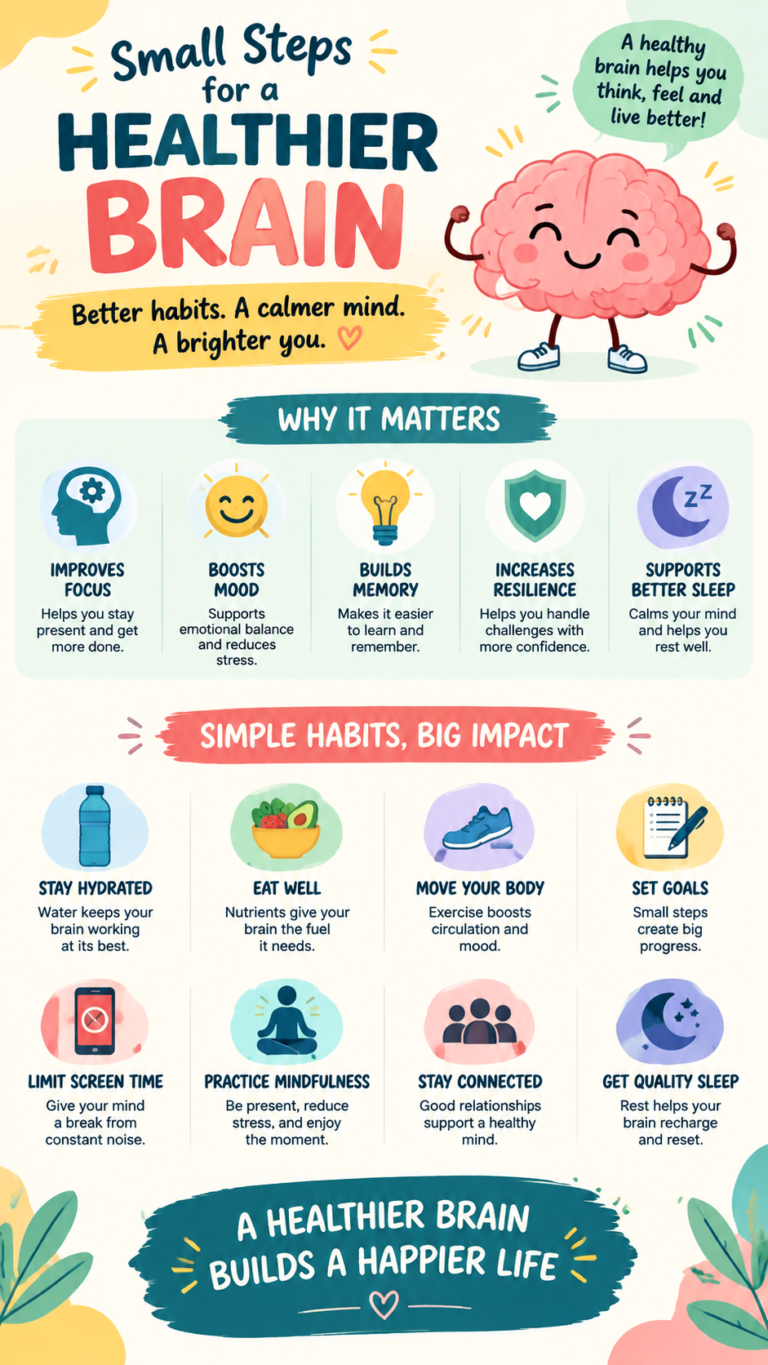
Taking care of your brain does not have to involve complicated routines or major lifestyle changes. Small, consistent habits can help support memory, concentration, mental clarity, and overall well-being. From eating nutritious foods and getting quality sleep to staying hydrated, managing stress, and keeping your mind active, everyday choices can make a meaningful difference in how you feel and function.
The good news is that many of the most helpful habits for brain health are simple enough to incorporate into an ordinary day. You can start with a balanced breakfast, a short walk, a few minutes of relaxation, or a regular bedtime. Over time, these small actions can become a sustainable routine that supports both your brain and your overall health.
Key Takeaways
- Eat a balanced diet with vegetables, fruit, whole grains, nuts, and healthy fats to provide nutrients that support brain function.
- Aim for seven to nine hours of sleep each night if you are an adult, adjusting for your individual needs.
- Drink water regularly throughout the day to help maintain normal concentration and mental performance.
- Make movement a daily priority through walking, exercise, or other activities you enjoy.
- Support emotional well-being with stress management, reading, learning, and regular breaks from screens.
- Start small and focus on consistency instead of trying to change every habit at once.
1. Eat Brain-Boosting Foods for Better Mental Performance
Your brain needs a steady supply of nutrients to perform its everyday functions. Food provides energy and essential building blocks that support normal brain activity, including attention, memory, and communication between nerve cells. While no single food can guarantee better memory or prevent cognitive decline, a balanced eating pattern is a practical foundation for long-term brain health.
Choose a Variety of Nutrient-Rich Foods
Try to include several types of nutritious foods throughout the week. Different foods provide different vitamins, minerals, healthy fats, and other compounds that contribute to overall health.
- Leafy green vegetables: Spinach, kale, and other leafy greens provide folate and other nutrients that support normal bodily functions.
- Berries: Blueberries, strawberries, and other berries contain fiber and plant compounds, including antioxidants.
- Fatty fish: Salmon, sardines, and similar fish provide omega-3 fatty acids, which are important components of cell membranes.
- Nuts and seeds: Walnuts, almonds, chia seeds, and flaxseeds offer healthy fats, fiber, and various micronutrients.
- Whole grains: Oats, brown rice, and whole-grain bread provide carbohydrates and fiber as part of a balanced diet.
- Avocados and olive oil: These can supply unsaturated fats that fit well into a heart-healthy eating pattern.
You do not need to purchase expensive superfoods or follow a restrictive diet to eat well. Familiar ingredients can provide plenty of nutritional variety when combined thoughtfully.
Build Balanced Meals Without Overcomplicating Them
A simple approach is to fill your plate with vegetables, include a source of protein, and add whole grains or another suitable carbohydrate. Add healthy fats through foods such as olive oil, nuts, seeds, or fish.
For breakfast, consider oatmeal with berries and walnuts. For lunch, try a colorful salad with beans or salmon and whole-grain bread. At dinner, combine roasted vegetables, brown rice, and a protein source you enjoy.
Important: Brain health depends on your overall dietary pattern, not a single ingredient. Aim for variety, balance, and habits you can maintain over time rather than expecting one food to transform your memory or concentration.
2. Get Quality Sleep Every Night
Sleep is one of the most important daily habits for supporting brain health. Your brain remains active while you sleep, carrying out processes associated with learning, memory, and emotional regulation. When sleep is regularly interrupted or insufficient, you may find it harder to concentrate, solve problems, remember information, or manage everyday stress.
How Much Sleep Should You Get?
Most adults should aim for approximately seven to nine hours of sleep per night. Individual needs vary, and consistently waking up refreshed is a useful sign that your routine may be working well.
Rather than focusing only on the number of hours, pay attention to sleep quality. Frequent waking, difficulty falling asleep, or feeling exhausted despite spending enough time in bed may indicate that your sleep habits need attention.
Create a Relaxing Bedtime Routine
Consistent evening habits can help prepare your body and mind for rest. Try these simple strategies:
- Go to bed and wake up at approximately the same time each day.
- Make your bedroom comfortable, quiet, and dark enough for restful sleep.
- Reduce bright light and stimulating screen use before bedtime.
- Avoid heavy meals close to bedtime if they interfere with your sleep.
- Limit caffeine later in the day if you are sensitive to its effects.
- Choose a relaxing activity, such as reading, gentle stretching, or quiet breathing.
If you have persistent sleep difficulties, loud snoring, breathing interruptions during sleep, or significant daytime sleepiness, consider discussing these symptoms with a healthcare professional.
3. Stay Hydrated to Support Concentration
Water supports many essential functions throughout your body, including the processes that keep your brain working normally. Not drinking enough can contribute to thirst, fatigue, headaches, and difficulty concentrating, particularly when fluid losses are significant.
Hydration is especially worth paying attention to during hot weather, exercise, or long periods of work when you might forget to drink. However, drinking excessive amounts of water is not a shortcut to improved brain performance. The goal is to maintain an appropriate fluid balance for your circumstances.
Easy Ways to Drink More Water
- Keep a reusable water bottle where you can see it.
- Drink water with meals and snacks.
- Have a glass of water when you wake up if that fits your routine.
- Drink before, during, and after physical activity as needed.
- Include water-rich foods such as cucumbers, oranges, melons, and soups.
Fluid needs vary with activity level, climate, diet, and individual health circumstances. Thirst and urine color can offer general clues about hydration, although neither is a perfect measure for everyone. If you have been advised to restrict fluids because of a medical condition, follow your healthcare professional’s guidance.
A practical strategy is to connect drinking water with habits you already have. For example, take a few sips after checking your morning calendar or refill your glass before sitting down to work.
4. Exercise Regularly to Support Brain Health
Physical activity benefits more than your muscles and cardiovascular system. Regular movement supports circulation, sleep, mood, and overall health, all of which contribute to a healthy foundation for brain function. Exercise can also provide a welcome mental break from work, screens, and daily responsibilities.
You do not need to begin with intense workouts. Walking, cycling, swimming, dancing, gardening, and other activities can help you become more active. The best choice is one that fits your abilities, schedule, and preferences.
Start With Short, Manageable Sessions
If exercise is not part of your current routine, begin with a short walk and gradually increase the duration as you feel comfortable. Even brief periods of movement can help interrupt long stretches of sitting and create a more active day.
For general adult health, public health guidelines commonly recommend working toward at least 150 minutes of moderate-intensity aerobic activity each week, along with muscle-strengthening activities on two or more days. You can divide this activity into manageable sessions rather than completing it all at once.
Make Movement Easier to Maintain
- Take a short walk during your lunch break.
- Use the stairs when practical and safe.
- Stretch or stand between periods of desk work.
- Schedule enjoyable activities with a friend.
- Choose a regular time for exercise so it becomes part of your routine.
Pro Tip: Make your first goal easy enough to repeat. A comfortable ten-minute walk may be more useful for building a lasting habit than an ambitious workout plan that leaves you feeling overwhelmed.
5. Manage Stress With Simple Daily Practices
Stress is a normal part of life, but persistent stress can affect sleep, mood, attention, and the ability to manage everyday demands. When your mind is constantly occupied by worries, concentrating on a task or remembering details may feel more difficult.
Stress management does not mean eliminating every challenge. It means creating regular opportunities to pause, recover, and respond to difficulties in a healthier way.
Practice Slow, Comfortable Breathing
Set aside a few minutes to sit comfortably and breathe slowly without forcing your breath. Relax your shoulders, release tension in your jaw, and gently return your attention to your breathing whenever your thoughts wander.
This simple exercise can serve as a calming pause during a busy day. You can practice it before a meeting, after a difficult conversation, or whenever you notice yourself feeling tense.
Spend Time Outdoors and Stay Connected
Other helpful stress-management habits include spending time in nature, listening to relaxing music, writing down your thoughts, and talking with someone you trust. Gentle stretching or a quiet walk may also help you transition away from work and other responsibilities.
Social connection matters, too. Sharing experiences with friends, family, or supportive community members can provide perspective and help you feel less alone when life becomes demanding.
If stress is persistent, overwhelming, or interfering with daily life, seeking support from a qualified mental health professional can be an important step.
6. Keep Your Mind Active Through Lifelong Learning
Your brain encounters new information and experiences throughout life. Reading, learning skills, solving puzzles, and engaging in meaningful activities can provide opportunities to practice attention, reasoning, language, and memory.
The aim is not to keep your brain busy every minute. Instead, choose activities that interest you and provide an enjoyable level of challenge. A sustainable learning habit should feel engaging rather than like another source of pressure.
Ideas for Everyday Brain Exercises
- Read regularly: Explore novels, biographies, educational articles, or books about subjects you enjoy.
- Learn a new skill: Try cooking a new recipe, practicing an instrument, drawing, or learning a language.
- Solve puzzles: Enjoy crosswords, word games, logic puzzles, or number challenges.
- Practice recall: After reading something interesting, summarize the main ideas without looking at the original material.
- Explore new experiences: Visit an unfamiliar place, try a different hobby, or learn about a topic outside your usual interests.
- Have meaningful conversations: Discuss ideas, exchange experiences, and listen carefully to different perspectives.
Choose Activities You Enjoy
If you dislike number puzzles, you do not need to force yourself to complete them every day. Reading, crafting, music, cooking, creative writing, and other mentally engaging activities can be rewarding alternatives.
Learning becomes easier to sustain when it is connected to curiosity. Choose one small activity you look forward to and give it a regular place in your schedule.
Why This Matters
Brain health is influenced by many interconnected factors, including physical activity, sleep, nutrition, emotional well-being, and social engagement. Mentally stimulating activities can be a valuable part of a healthy lifestyle, but no single puzzle, app, or exercise guarantees sharper memory or prevents dementia. Think of brain training as one useful element within a broader routine.
7. Limit Screen Time and Take Regular Breaks
Phones, computers, and other digital devices are part of everyday life. They help us work, communicate, learn, and relax. The goal is not necessarily to avoid screens altogether, but to use them intentionally and make room for activities that support rest, movement, and concentration.
Long periods of uninterrupted screen use can contribute to eye discomfort, reduced movement, and fatigue. Frequent notifications and switching between tasks may also make it harder to maintain attention on demanding work.
Use Screen Breaks to Reset Your Attention
Try stepping away from your screen periodically, especially during long work sessions. Stand up, stretch, look into the distance, drink some water, or take a short walk. If you spend much of your day looking at a monitor, the 20-20-20 technique may help reduce eye strain: approximately every 20 minutes, look at something about 20 feet away for at least 20 seconds.
Create Healthier Digital Habits
- Turn off nonessential notifications while focusing on important tasks.
- Keep your phone away from your workspace when you need uninterrupted attention.
- Set aside screen-free periods during meals or before bedtime.
- Replace some scrolling time with reading, movement, hobbies, or face-to-face conversation.
- Take short breaks before you feel completely exhausted.
Screen time is not all the same. A video call with a friend, an online course, and several hours of distracted scrolling serve different purposes. Consider how you use your devices and whether that use supports the life you want to lead.
8. Combine Healthy Habits Into a Simple Daily Routine
Knowing which habits support brain health is useful, but putting them into practice is what makes the difference. Instead of trying to overhaul your entire lifestyle, connect small actions to routines you already follow.
For example, drink water with breakfast, include a nutritious food at lunch, take a walk in the afternoon, and make time for reading in the evening. A consistent bedtime can help bring your day to a calmer close.
An Easy Brain-Healthy Day
This schedule is only an example, not a strict set of rules. Adapt it to your working hours, family responsibilities, physical abilities, and personal preferences. Even one or two changes can be a useful starting point.
Build Habits That Last
- Start with one priority. Choose the habit that would be easiest or most valuable to introduce first.
- Make it specific. Instead of saying you will exercise more, plan a short walk after lunch.
- Use reminders. A calendar alert or a visible water bottle can help you remember your intention.
- Track consistency, not perfection. Notice the actions you complete rather than worrying about missed days.
- Adjust when necessary. If a habit feels too difficult, make it smaller or choose an alternative that fits your routine.
Remember: You do not need to follow a perfect routine to care for your brain. Sustainable habits are more realistic than extreme plans. Focus on progress, allow flexibility, and give yourself time to develop a routine that works for you.
Common Questions About Brain Health
What Is the Best Daily Habit for Brain Health?
There is no single best habit for everyone. Regular physical activity, adequate sleep, a balanced diet, and management of conditions that affect cardiovascular health all contribute to overall well-being. The most useful starting point depends on your current routine and needs. Building several complementary habits over time is a practical approach.
Can Food Improve Memory and Concentration?
Nutritious foods provide energy and nutrients that support normal brain function. A balanced eating pattern that includes vegetables, fruit, whole grains, healthy fats, and appropriate sources of protein can support general health. However, no individual food guarantees better memory, and persistent concentration problems may have causes that require professional assessment.
How Can I Improve Focus Naturally?
Try getting enough sleep, taking regular movement breaks, drinking water when thirsty, reducing distractions, and working on one demanding task at a time. Short periods of focused work followed by brief breaks may help you manage attention more comfortably. If difficulty concentrating is persistent or interferes with everyday life, consider seeking medical advice.
Do Brain Games Prevent Cognitive Decline?
Puzzles and brain games can be enjoyable ways to practice particular skills, but evidence does not establish that any specific game prevents dementia. A broader approach that includes physical activity, social engagement, mentally stimulating experiences, good sleep, and management of health risk factors is more appropriate than relying on a single game or app.
When Should I Seek Medical Advice About Memory Changes?
Occasionally forgetting a name or misplacing an object can happen to anyone. However, memory or thinking changes that persist, worsen, or interfere with familiar activities deserve medical attention. Sudden confusion or an abrupt change in mental function requires urgent medical assessment.
Quick Points: Everyday Habits for a Healthier Brain
- Eat well: Include a variety of vegetables, fruit, whole grains, nuts, seeds, and other nutritious foods.
- Sleep consistently: Give yourself enough time for restorative sleep and establish a calming bedtime routine.
- Move daily: Walk, stretch, exercise, or choose another activity that suits your abilities.
- Stay mentally engaged: Read, learn, create, solve puzzles, and enjoy meaningful conversations.
- Protect your well-being: Manage stress, take screen breaks, maintain social connections, and seek help when needed.
Conclusion: Small Habits Can Support a Healthier Mind
Supporting brain health starts with everyday choices. Nutritious meals, quality sleep, regular movement, adequate hydration, stress management, and mentally engaging activities all contribute to a lifestyle that supports your overall well-being.
You do not have to change everything at once. Start by choosing one realistic habit, such as taking a daily walk, reading for ten minutes, or establishing a more consistent bedtime. Once that action feels natural, build on it with another small change.
Be patient with yourself and remember that a healthy routine should support your life, not make it more stressful. Progress comes from repeatable actions, not perfection. If you are ready to give your mind a little more attention, choose one idea from this list and put it into practice today.
Save this guide as a reminder to prioritize your brain health, revisit your favorite tips, and keep building habits that help you feel your best.
Tags
Brain Health
Healthy Daily Habits
Memory Improvement
Mental Clarity
Brain-Boosting Foods
Quality Sleep
Stress Management
Mental Wellness