
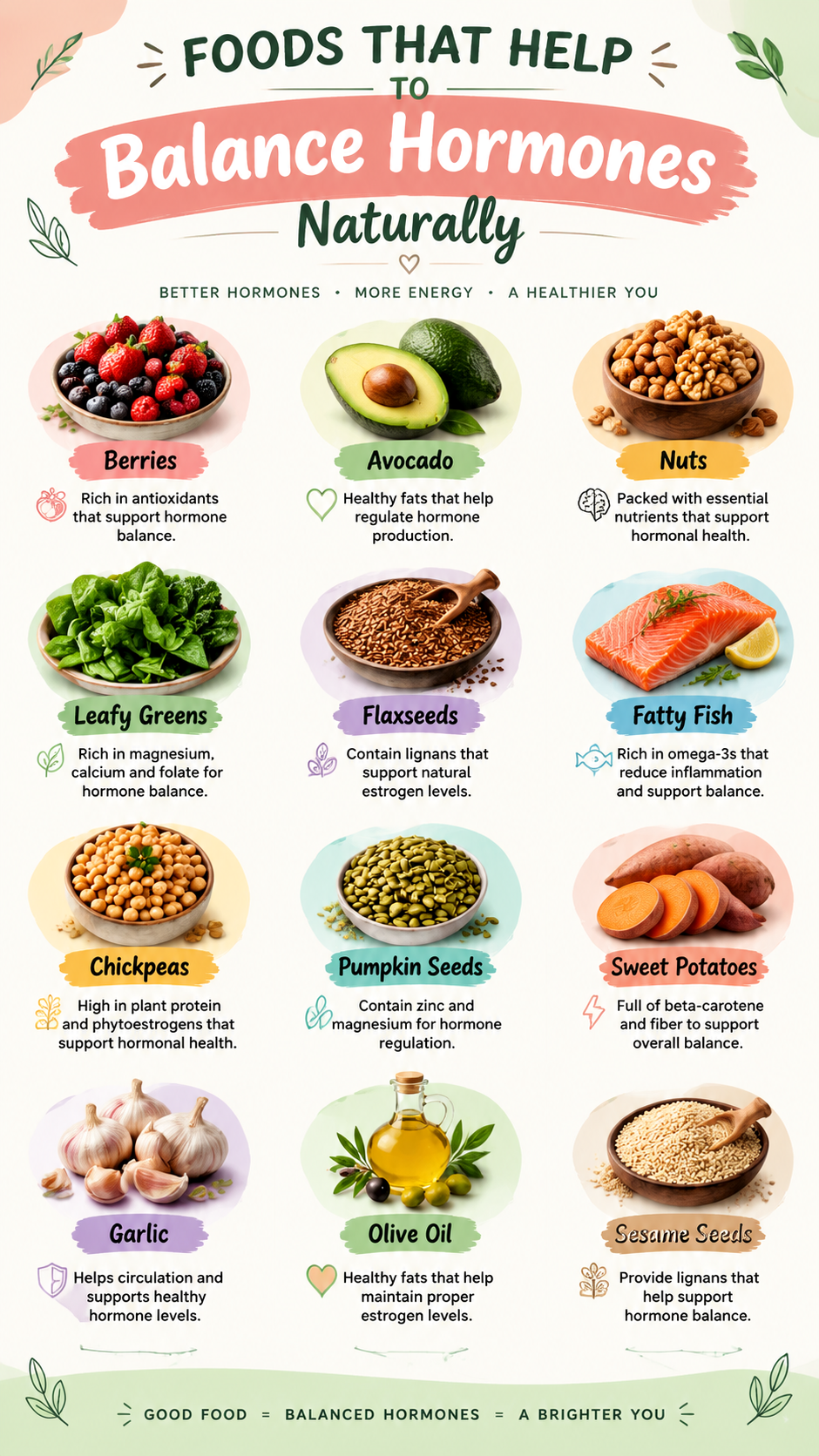
15 Foods That Support Healthy Female Hormones Naturally
Healthy hormones play an important role in many aspects of women’s well-being, from menstrual health and reproductive function to bone strength, mood, and metabolism. While no single food can guarantee balanced hormone levels or automatically increase estrogen, a nutrient-rich diet can help support the body’s normal hormonal functions. The good news is that many everyday foods, including flaxseeds, soy foods, chickpeas, sesame seeds, nuts, berries, and leafy greens, can contribute valuable nutrients to a balanced eating pattern.
If you are interested in female hormone health, learning which foods contain phytoestrogens, healthy fats, fiber, vitamins, and minerals is a practical place to start. These nutrients support different processes in the body, including normal hormone metabolism and overall reproductive health. Understanding how these foods work can also help you make informed choices without relying on restrictive diets or unproven hormone-boosting claims.
Key Takeaways
- Flaxseeds, sesame seeds, and soy foods contain plant compounds that may interact with estrogen pathways in the body.
- Chickpeas, nuts, seeds, and leafy greens provide nutrients that support overall health and normal body functions.
- Healthy fats from avocados, nuts, seeds, and olive oil help the body absorb fat-soluble vitamins and support normal physiological processes.
- Berries, oats, and vegetables provide fiber and other beneficial compounds that contribute to a balanced diet.
- Food cannot reliably correct low estrogen caused by a medical condition, and symptoms may require professional evaluation.
- A varied diet, adequate sleep, regular physical activity, and appropriate stress management can support overall well-being.
Understanding Estrogen and Female Hormone Health
Estrogen is a group of hormones that plays an important role in reproductive development and function. Estradiol is the primary estrogen during the reproductive years, although estrone and estriol also have important roles in different life stages and circumstances.
Estrogen contributes to the menstrual cycle, helps maintain bone density, supports vaginal and urinary tissues, and influences several other body systems. Hormone levels naturally fluctuate throughout the menstrual cycle, during pregnancy, and throughout the transition to menopause. These changes are not necessarily a sign that something is wrong.
When people talk about increasing estrogen naturally, they often mean supporting hormonal health through food and lifestyle. However, the distinction between supporting normal hormone function and raising estrogen levels is important. A nutritious diet may help the body function well, but it does not guarantee higher estrogen production.
What Are Phytoestrogens?
Phytoestrogens are naturally occurring plant compounds with chemical structures that allow them to interact with estrogen receptors. Some can produce weak estrogen-like effects, while others may behave differently depending on the tissue, the compound, and the body’s hormonal environment.
Two commonly discussed groups are isoflavones, found in soy foods, and lignans, found in foods such as flaxseeds and sesame seeds. Their effects are not identical to those of human estrogen, and eating foods that contain phytoestrogens does not necessarily increase the amount of estrogen circulating in the blood.
Important: Foods containing phytoestrogens can be part of a healthy eating pattern, but they should not be treated as a substitute for hormone testing, medical advice, or prescribed treatment when low estrogen is suspected.
15 Foods That Support Healthy Female Hormones
The following foods provide a range of nutrients and plant compounds associated with overall health. Some contain phytoestrogens, while others support general nutritional needs. Instead of focusing on one supposed hormone-boosting ingredient, aim to include a variety of these foods in your regular meals.
1. Flaxseeds
Flaxseeds are especially well known for their lignan content. Lignans are plant compounds that gut bacteria can convert into metabolites that may interact with estrogen pathways. Flaxseeds also provide alpha-linolenic acid, a plant-based omega-3 fatty acid, along with dietary fiber.
Fiber supports digestive regularity and contributes to a healthy gut environment. These benefits make flaxseeds a useful addition to a balanced diet, even though their effect on estrogen levels varies and is not guaranteed.
How to Eat Flaxseeds
- Add one or two teaspoons of ground flaxseed to oatmeal or yogurt.
- Blend ground flaxseed into a smoothie.
- Mix it into homemade muffins or overnight oats.
Ground flaxseed is generally easier to digest than whole flaxseed. Increase fiber gradually and drink enough water to help prevent digestive discomfort.
2. Soy Foods
Soy foods such as tofu, tempeh, edamame, and unsweetened soy milk contain isoflavones, a type of phytoestrogen that has received considerable scientific attention. These compounds can interact with estrogen receptors, although their effects are generally much weaker than those of the body’s own estrogen.
Soy foods also provide protein, making them useful for people following plant-based diets or anyone looking to add more variety to their meals. Tofu can be baked, grilled, stir-fried, or added to soups, while edamame makes a convenient snack or salad ingredient.
Research on soy and women’s health has examined outcomes such as menopausal symptoms, bone health, and cardiovascular markers. Findings vary by outcome, population, and type of soy product, so soy should be viewed as a nutritious food rather than a guaranteed way to raise estrogen.
3. Chickpeas
Chickpeas are a convenient source of plant protein, fiber, folate, iron, and other essential nutrients. They also contain various plant compounds, although their phytoestrogen content and effects are not equivalent to those of soy.
Regularly including chickpeas can help create filling, balanced meals. Combine them with vegetables, whole grains, olive oil, and a source of vitamin C to build a satisfying dish with a range of nutrients.
Try adding chickpeas to salads, blending them into hummus, or using them in curries and roasted vegetable bowls. Canned chickpeas are a practical option; rinsing them can reduce some of the added sodium.
4. Sesame Seeds
Sesame seeds contain lignans, including sesamin and sesamolin, as well as unsaturated fats, minerals, and some protein. They add flavor and texture to meals while helping increase the variety of plant foods in your diet.
Sprinkle sesame seeds over roasted vegetables, stir them into sauces, or use tahini, a paste made from sesame seeds, in dressings and dips. Sesame seeds can contribute to overall nutritional quality, but there is not enough evidence to claim that eating them reliably increases estrogen in women.
5. Pumpkin Seeds
Pumpkin seeds provide magnesium, zinc, protein, unsaturated fats, and other nutrients. Zinc is involved in numerous biological processes, including normal immune function and reproductive health. Magnesium contributes to muscle and nerve function and supports many enzyme reactions.
These minerals are important for general health, but pumpkin seeds are not proven to directly increase estrogen. Their main advantage is that they make it easier to add nutrient-dense foods to everyday meals.
Enjoy a small handful as a snack, sprinkle them over soups, or add them to oatmeal and salads. Choose unsalted varieties if you are trying to limit sodium.
6. Sunflower Seeds
Sunflower seeds contain vitamin E, an antioxidant nutrient that helps protect cells from oxidative damage. They also supply unsaturated fats, protein, and several minerals.
Vitamin E is essential for normal health, but more vitamin E does not automatically mean more estrogen. The goal is to meet your nutritional needs through a balanced diet rather than taking excessive amounts of individual nutrients.
Add sunflower seeds to salads, homemade trail mix, or whole-grain cereal. Sunflower seed butter is another option if you want a creamy spread for toast or fruit.
7. Berries
Strawberries, blueberries, raspberries, and blackberries contain fiber, vitamin C, and a range of plant compounds, including anthocyanins in many varieties. These compounds contribute to the color of berries and are studied for their potential roles in overall health.
Berries are not established estrogen boosters, but they fit well into a nutritious eating pattern. Their fiber content also helps support digestive health.
Add fresh or frozen berries to breakfast bowls, blend them into smoothies, or serve them with plain yogurt and nuts. Frozen berries are often a budget-friendly choice and can be just as useful in everyday recipes as fresh ones.
8. Avocados
Avocados provide monounsaturated fats, fiber, potassium, and folate. Their healthy fat content makes them a satisfying addition to meals and helps the body absorb fat-soluble vitamins from other foods.
Although dietary fats are important for normal hormone production and overall health, eating avocado does not directly cause estrogen levels to rise. Its value lies in supplying useful nutrients as part of a balanced diet.
Spread avocado on whole-grain toast, add slices to salads, or combine it with beans and vegetables in a nourishing lunch bowl.
9. Oats
Oats are a source of beta-glucan, a type of soluble fiber associated with healthy cholesterol levels. They also provide complex carbohydrates, some protein, and minerals such as manganese and magnesium.
Oats are not a proven way to lower cortisol or increase estrogen directly. However, a fiber-rich breakfast can help you build a satisfying eating routine and provide energy for daily activities.
Prepare oatmeal with milk or fortified plant milk, then add berries, ground flaxseed, and nuts. This combination provides fiber, healthy fats, and protein without requiring complicated recipes.
10. Nuts, Including Almonds and Walnuts
Almonds and walnuts contain unsaturated fats, fiber, protein, and several vitamins and minerals. Walnuts also provide alpha-linolenic acid, a plant-based omega-3 fatty acid, while almonds are a useful source of vitamin E.
These nutrients support overall health, but nuts should not be described as foods that directly raise estrogen. They are better understood as part of a varied eating pattern that supplies the body with energy and essential nutrients.
Add nuts to breakfast bowls, enjoy them as a snack, or combine them with dried fruit for a homemade trail mix. Because nuts are energy-dense, a small handful is often a practical serving.
11. Pomegranate
Pomegranate contains fiber, vitamin C, potassium, and polyphenols, including ellagitannins. These plant compounds are studied for their possible effects on several aspects of health.
Despite popular claims about pomegranate and estrogen, current evidence does not establish that eating the fruit reliably increases estrogen levels in women. It can still be a delicious way to add variety and beneficial plant compounds to your diet.
Scatter pomegranate seeds over salads, add them to yogurt, or enjoy them on their own. Whole fruit is generally preferable to juice when you want to retain the fiber and manage portion sizes.
12. Fennel Seeds
Fennel seeds have a distinctive, slightly sweet flavor and contain aromatic plant compounds, including anethole. Fennel has a long history of culinary use, and some preparations have been studied for possible estrogen-like effects.
However, evidence for using fennel to meaningfully increase estrogen in humans remains limited. Concentrated extracts and supplements are not equivalent to the small quantities commonly used in cooking.
Use fennel seeds to season roasted vegetables, lentils, soups, or homemade spice blends. If you are pregnant, breastfeeding, have a hormone-sensitive condition, or take medication that may interact with herbal products, consult a healthcare professional before using concentrated fennel supplements.
13. Garlic
Garlic adds flavor to meals and contains sulfur-containing compounds that have been studied for their potential biological effects. It can make vegetable dishes, soups, beans, and whole grains more appealing without relying on large amounts of salt.
Garlic is not an established treatment for low estrogen, and there is insufficient evidence that normal culinary amounts directly improve estrogen levels. Its practical benefit is that it helps create flavorful, varied meals that support healthy eating habits.
Add fresh garlic to roasted vegetables, sautéed greens, lentil dishes, or homemade dressings. If you take blood-thinning medication, ask your healthcare professional before using concentrated garlic supplements because they may affect bleeding risk.
14. Leafy Greens, Including Spinach and Kale
Leafy greens supply a range of vitamins, minerals, fiber, and plant compounds. Spinach provides folate and iron, while kale contributes vitamin K, vitamin C, and other nutrients. The exact nutritional profile varies by vegetable and preparation method.
Iron is important for making hemoglobin, which carries oxygen in the blood, while folate is essential for DNA synthesis and cell division. These nutrients support general health, but neither spinach nor kale is proven to directly raise estrogen.
Include leafy greens in omelets, soups, salads, pasta dishes, or smoothies. Pairing plant sources of iron with vitamin C-rich foods, such as tomatoes or citrus fruits, can improve the absorption of non-heme iron.
15. Sweet Potatoes
Sweet potatoes provide complex carbohydrates, fiber, potassium, and beta-carotene, which the body can convert into vitamin A. Vitamin A supports normal vision, immune function, and several other essential processes.
Sweet potatoes are not known to directly increase estrogen, but they can be part of a balanced meal that supplies energy and important nutrients. They are especially versatile because they can be baked, roasted, steamed, or mashed.
Serve roasted sweet potatoes with chickpeas, leafy greens, and tahini dressing for a meal that combines carbohydrates, protein, fiber, and healthy fats.
What About Olive Oil and Hormone Balance?
Olive oil deserves a place in a hormone-conscious eating pattern because it provides monounsaturated fat and other naturally occurring compounds. Extra-virgin olive oil also contains polyphenols, which contribute to its flavor and are studied for their potential health effects.
Dietary fat helps the body absorb vitamins A, D, E, and K. Getting enough fat and energy is also important for normal physiological function. However, olive oil is not an estrogen supplement, and consuming more of it does not necessarily increase estrogen production.
Use olive oil in salad dressings, drizzle it over cooked vegetables, or use a moderate amount when roasting foods. For the best overall nutritional balance, combine it with vegetables, legumes, whole grains, nuts, and other nutrient-dense ingredients.
How to Build a Hormone-Friendly Eating Pattern
You do not need to eat all these foods every day or follow a strict hormone-balancing diet. A more sustainable approach is to create regular meals that combine protein, fiber-rich carbohydrates, healthy fats, and a variety of vegetables and fruits.
Start With a Balanced Breakfast
Breakfast can be a simple opportunity to include several useful nutrients. Oatmeal topped with ground flaxseed, walnuts, and berries provides fiber, unsaturated fats, and plant compounds. Alternatively, plain yogurt with fruit and seeds can offer protein alongside other nutrients.
If you prefer savory breakfasts, try eggs or tofu with spinach and whole-grain toast. There is no single ideal breakfast for every woman, so choose options that fit your appetite, culture, schedule, and nutritional needs.
Include Protein and Fiber at Lunch and Dinner
Beans, chickpeas, lentils, tofu, fish, eggs, poultry, and other protein sources can help you meet your nutritional needs. Pair them with vegetables, whole grains, and a source of unsaturated fat for satisfying meals.
For example, a chickpea and spinach bowl with brown rice, roasted sweet potatoes, and olive oil dressing provides several food groups in one meal. Another option is a tofu stir-fry with vegetables, sesame seeds, and whole-grain noodles.
Make Small Changes You Can Maintain
- Keep ground flaxseed or chia seeds available for breakfast and snacks.
- Choose beans, lentils, or chickpeas regularly for plant protein and fiber.
- Add a serving of fruit or vegetables to meals when practical.
- Include nuts, seeds, avocado, or olive oil as sources of unsaturated fats.
- Drink water regularly and adjust fiber intake gradually.
- Choose a variety of foods rather than relying on a single ingredient for hormone health.
Why This Matters
Hormone health depends on more than individual foods. Adequate energy intake, a varied diet, overall health, medications, age, and reproductive stage can all influence hormone levels. Eating a wide range of nutrient-dense foods is a more reliable foundation for well-being than trying to force a specific hormonal result through one ingredient.
- Prioritize dietary variety over restrictive food rules.
- Avoid assuming that hormone-related symptoms automatically mean estrogen is low.
- Seek individualized medical advice if symptoms are persistent or concerning.
Lifestyle Habits That Support Hormonal Health
Food is one part of the bigger picture. Daily habits can influence energy levels, metabolic health, sleep quality, and overall well-being. These factors interact with hormonal systems, although they cannot replace medical care for a diagnosed hormone disorder.
Prioritize Consistent Sleep
Most adults benefit from around seven to nine hours of sleep each night, although individual needs vary. Keeping a regular sleep schedule, reducing late-night stimulation, and making the bedroom comfortable can help support sleep quality.
Sleep affects several biological processes, including those involved in appetite, glucose regulation, and stress responses. Better sleep can support general health, but it should not be presented as a guaranteed way to increase estrogen.
Choose Regular, Appropriate Physical Activity
Walking, cycling, swimming, dancing, strength training, and other activities can support cardiovascular health, bone strength, mood, and metabolic function. The most suitable routine depends on your current fitness, health, and preferences.
Exercise should be balanced with adequate nutrition and recovery. Excessive training combined with insufficient food intake can disrupt menstrual function in some women. If your periods become irregular or stop after changes in exercise or eating habits, seek medical advice.
Manage Stress Without Chasing a Perfect Routine
Long-term stress can affect sleep, mood, appetite, and many aspects of daily life. Relaxation practices such as gentle stretching, time outdoors, journaling, breathing exercises, and social connection may help some people manage stress more effectively.
There is no need to turn stress management into another source of pressure. Start with one manageable habit that fits your circumstances and build from there.
Signs of Low Estrogen and When to Seek Medical Advice
Low estrogen can occur for several reasons, including the menopausal transition, certain medical conditions, changes in ovarian function, and inadequate energy availability. Symptoms vary from person to person, and no single symptom can confirm an estrogen deficiency.
Possible signs include:
- Changes in menstrual frequency or periods that stop unexpectedly.
- Hot flashes or night sweats.
- Vaginal dryness or discomfort during sex.
- Changes in sexual desire.
- Sleep difficulties or changes in mood.
- Bone loss associated with prolonged estrogen deficiency.
These symptoms can have other causes, including thyroid conditions, pregnancy, medication effects, and other health concerns. If you experience persistent symptoms, unusual menstrual changes, or symptoms that interfere with daily life, speak with a qualified healthcare professional.
Pro Tip: Do not try to treat suspected low estrogen by taking concentrated herbal products or high-dose supplements without medical guidance. A clinician can assess your symptoms, medical history, and whether testing or treatment is appropriate. For some conditions, nutrition alone is not sufficient to address low estrogen.
Can You Increase Estrogen Naturally With Food?
Some foods contain compounds that interact with estrogen pathways, but the effect of eating them varies. Soy isoflavones and lignans from flaxseeds are among the best-known examples. Their presence in food does not mean they produce the same effects as estrogen made by the body or as prescribed hormone therapy.
If you have a diagnosed hormonal condition, are undergoing fertility treatment, have a history of an estrogen-sensitive cancer, or take medication that affects hormones, discuss major dietary changes and supplements with your healthcare team. Most ordinary foods can fit into a varied diet, but concentrated products may have different effects and safety considerations.
A Simple One-Day Meal Plan for Hormone-Conscious Eating
If you want to put these ideas into practice, the following sample menu offers a balanced starting point. It is an example rather than a medical diet, and portion sizes should be adjusted to your appetite, energy needs, preferences, and any relevant health conditions.
Breakfast
Prepare oatmeal with milk or fortified soy milk. Add ground flaxseed, walnuts, and fresh or frozen berries. This meal combines fiber, plant compounds, healthy fats, and protein, depending on your milk choice and portions.
Lunch
Make a chickpea and leafy green salad with tomatoes, cucumber, whole grains, olive oil, and lemon dressing. Add sesame seeds or tahini for flavor and extra unsaturated fat.
Afternoon Snack
Enjoy a small handful of almonds or pumpkin seeds with a piece of fruit. Alternatively, choose plain yogurt with berries or hummus with sliced vegetables.
Dinner
Serve baked tofu, fish, eggs, or another protein source with roasted sweet potatoes and sautéed spinach. Use olive oil and garlic for flavor, and add a portion of brown rice or another whole grain if desired.
This menu is flexible by design. You can swap ingredients based on availability, cultural food traditions, budget, allergies, and personal taste. The goal is to eat consistently and include a range of nutrients, not to follow a perfect formula.
Quick Points: Foods and Female Hormone Health at a Glance
- For lignans: Try ground flaxseeds and sesame seeds.
- For isoflavones: Include soy foods such as tofu, tempeh, and edamame.
- For fiber: Choose oats, chickpeas, berries, vegetables, and other whole plant foods.
- For unsaturated fats: Add nuts, seeds, avocados, and olive oil.
- For overall well-being: Combine balanced meals with appropriate exercise, adequate sleep, and medical care when needed.
Conclusion: Nourish Your Body for Long-Term Hormonal Health
Supporting healthy female hormones starts with understanding what your body needs and choosing habits you can maintain. Foods such as flaxseeds, soy, chickpeas, sesame seeds, pumpkin seeds, berries, avocados, oats, nuts, pomegranate, fennel seeds, garlic, leafy greens, and sweet potatoes offer a wide range of nutrients and plant compounds that can contribute to a balanced diet. Olive oil can also be a useful source of unsaturated fat.
Some of these foods contain phytoestrogens, but none should be treated as a guaranteed way to increase estrogen. Their benefits are best understood in the context of overall nutrition, rather than as isolated hormone treatments. A varied diet, regular physical activity, restorative sleep, and appropriate stress management can all contribute to general well-being.
Most importantly, listen to your body without assuming every symptom is caused by a hormone imbalance. If you experience irregular periods, persistent hot flashes, vaginal dryness, or other concerning changes, a healthcare professional can help identify the cause and discuss suitable options.
You do not need to overhaul your entire lifestyle overnight. Start by adding one nutrient-rich food to your meals, experimenting with a new recipe, or creating a breakfast you genuinely enjoy. Small, sustainable choices can help you build a nourishing routine that supports your health over time.
Tags
Female Hormone Health
Hormone Balance
Phytoestrogen Foods
Healthy Eating for Women
Estrogen and Nutrition
Women’s Wellness
Balanced Diet
Natural Wellness


