
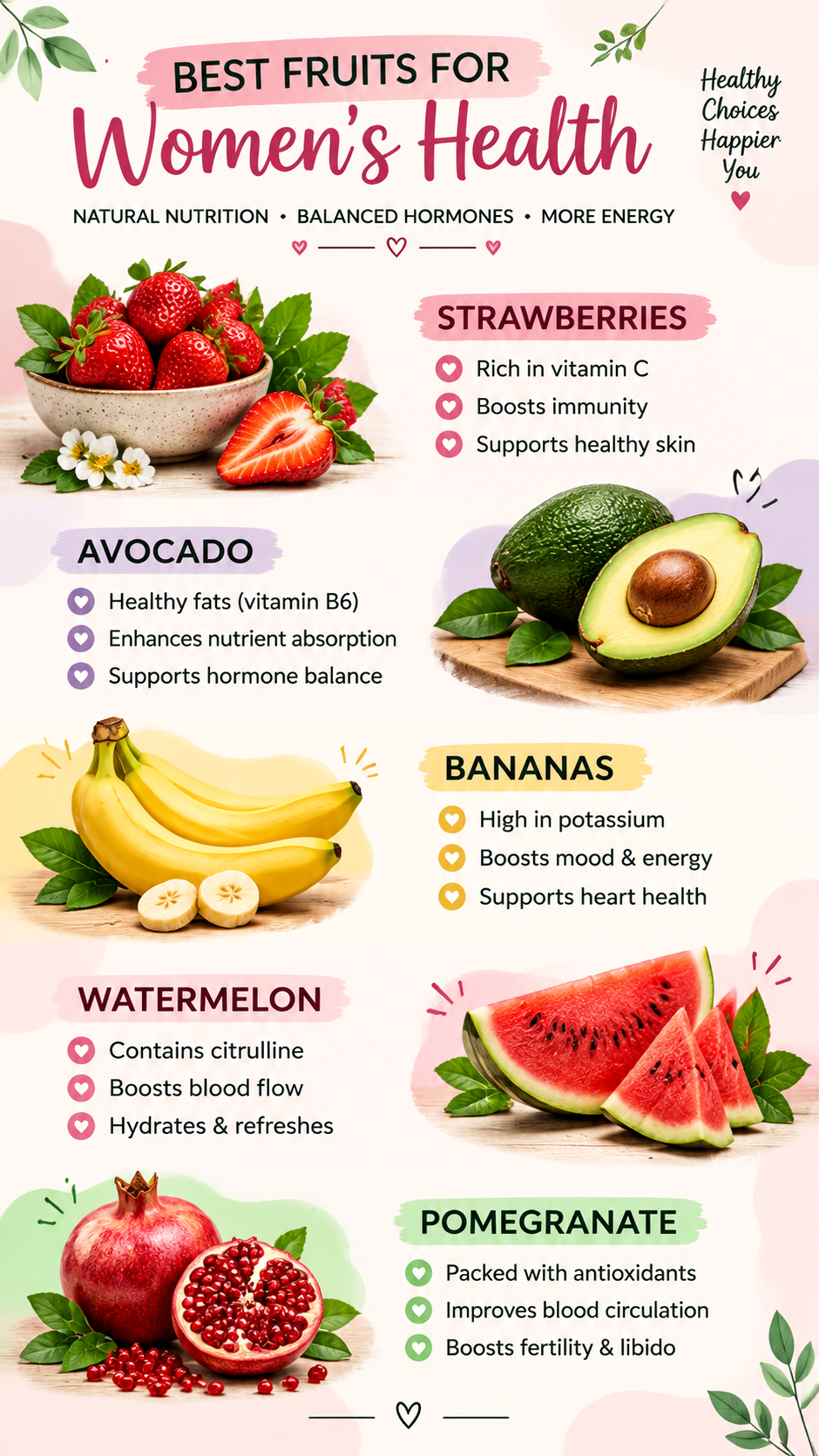
Best Fruits for Womens Sexual Health Natural Foods to Boost Libido and Energy
What you eat can play an important role in your overall well-being, energy levels, and sexual health. If you are looking for natural ways to support women’s sexual wellness, adding a colorful variety of fruits to your daily diet is a simple and delicious place to start. Strawberries, avocados, figs, bananas, watermelon, and pomegranates each offer valuable nutrients that contribute to general health, including healthy circulation, normal hormone production, and the body’s ability to maintain energy.
Although no single fruit can guarantee a higher libido or solve sexual health concerns, a balanced diet can help create a foundation for feeling your best. The key is to focus on consistent nutrition, hydration, physical activity, stress management, and overall health rather than relying on one food as a quick fix.
Key Takeaways
- Strawberries and pomegranates provide antioxidants that support general cardiovascular health.
- Avocados offer healthy fats and folate, which help support normal body functions.
- Bananas provide carbohydrates, potassium, and vitamin B6 for everyday energy and nutritional balance.
- Watermelon contributes hydration and contains citrulline, a compound studied for its potential effects on blood vessel function.
- Figs offer fiber, minerals, and natural sweetness as part of a varied diet.
- Libido is influenced by many factors, including hormones, emotional well-being, relationships, medications, sleep, and overall health.
How Nutrition Can Support Women’s Sexual Health
Women’s sexual health is connected to several aspects of physical and emotional well-being. Healthy blood circulation, sufficient energy, balanced nutrition, comfortable sexual activity, and a positive relationship with one’s body can all contribute to sexual wellness. Food is not the only factor, but it can support the systems involved in these processes.
For example, the cardiovascular system helps deliver oxygen and nutrients throughout the body, including to tissues involved in sexual arousal. Nutrients also support normal nerve function, cellular health, and the production of hormones. Eating a varied diet that includes fruits, vegetables, whole grains, protein sources, and healthy fats can help meet these nutritional needs.
However, sexual desire is not controlled by a single nutrient. A woman can eat a highly nutritious diet and still experience low libido because of stress, fatigue, hormonal changes, relationship concerns, pain, or a medication’s side effects. That is why the most useful approach combines healthy eating with attention to physical comfort, emotional health, and individual circumstances.
Important: Fruits can support general health, but there is limited direct scientific evidence that any particular fruit reliably increases women’s libido, arousal, or vaginal lubrication. Think of these foods as part of a healthy lifestyle, not as guaranteed sexual performance enhancers.
1. Strawberries: Antioxidants and Vitamin C
Strawberries are a delicious addition to a diet focused on women’s wellness. Their bright color, refreshing taste, and nutrient content make them an easy choice for breakfast, snacks, and desserts. They are particularly well known for providing vitamin C, an essential nutrient that supports immune function, collagen formation, and the protection of cells from oxidative damage.
Why Strawberries Are Worth Eating
Vitamin C contributes to the formation of collagen, a structural protein found in skin, blood vessels, and other tissues. Strawberries also contain plant compounds, including anthocyanins and other polyphenols, that contribute to their antioxidant properties.
These nutrients can form part of a dietary pattern that supports cardiovascular health. Because healthy circulation is relevant to normal sexual responses, strawberries can be a sensible choice within a broader approach to wellness. However, eating strawberries has not been shown to directly increase sexual desire or guarantee improved arousal.
Easy Ways to Enjoy Strawberries
- Add fresh strawberries to oatmeal or whole-grain cereal.
- Combine them with plain yogurt for a balanced snack.
- Blend strawberries with banana and milk or a fortified alternative for a smoothie.
- Serve sliced strawberries with other colorful fruits for a refreshing dessert.
Fresh and frozen strawberries can both be nutritious options. Choose the form that fits your budget and routine, and limit added sugar when possible.
2. Avocados: Healthy Fats and Essential Nutrients
Avocados stand out because they provide predominantly unsaturated fats, fiber, folate, and several other vitamins and minerals. Their creamy texture makes them versatile enough for breakfast, lunch, dinner, or snacks.
Healthy fats are important for cell membranes and the absorption of fat-soluble vitamins. Folate supports normal cell division and other essential processes, while vitamin B6 contributes to normal protein metabolism and nervous system function. Avocados also contain potassium, which helps support normal muscle function and blood pressure regulation.
Can Avocados Support Hormonal Health?
Hormone production depends on several nutrients, organs, and regulatory systems. Dietary fat is necessary for normal health, and including unsaturated fats in a balanced eating pattern can support overall metabolic and cardiovascular well-being. Avocados can contribute to that pattern.
Nevertheless, there is no strong evidence that eating avocados directly raises estrogen, increases libido, or corrects a hormone imbalance. Their value comes from their nutritional contribution rather than a special hormone-boosting effect.
Simple Ways to Add Avocado to Your Diet
- Spread mashed avocado on whole-grain toast.
- Add avocado slices to salads, sandwiches, or grain bowls.
- Blend a small amount into a smoothie for a creamy texture.
- Pair avocado with eggs, beans, or other protein-rich foods for a satisfying meal.
Avocados are energy-dense, so portion size can be adjusted to your appetite and nutritional needs. There is no need to eat them in large quantities to benefit from their nutrients.
3. Figs: Fiber, Minerals, and Natural Sweetness
Figs bring a distinctive texture and naturally sweet flavor to a balanced diet. They provide fiber, which supports digestive health, as well as minerals such as potassium and smaller amounts of other essential nutrients. Fresh figs also contribute water, while dried figs provide a more concentrated source of energy and minerals.
Good digestive health can contribute to comfort and overall quality of life. Eating enough fiber may help support regular bowel movements, while a varied diet containing fruit can make it easier to meet daily nutritional needs.
Do Figs Increase Sexual Desire?
Figs have a long-standing reputation as a sensual food in various cultural traditions. Their appearance, texture, and sweetness have contributed to that association. However, cultural symbolism is different from scientific evidence, and research has not established that figs directly increase sexual desire, improve fertility, or balance reproductive hormones.
They can still be a valuable part of a healthy eating pattern. Enjoying satisfying foods without unnecessary restrictions can also make a balanced lifestyle easier to maintain.
Healthy Ways to Enjoy Figs
- Slice fresh figs over plain yogurt.
- Pair figs with nuts for a snack containing fiber and healthy fats.
- Add chopped figs to oatmeal or a whole-grain breakfast bowl.
- Use a few dried figs to add sweetness to homemade trail mix.
Because dried figs are more concentrated in natural sugars and calories, a smaller serving may be appropriate compared with fresh fruit. People who need to monitor blood glucose can consider portion sizes and how the fruit fits into their overall meals.
4. Bananas: Potassium, Vitamin B6, and Everyday Energy
Bananas are convenient, affordable, and easy to incorporate into everyday meals. They provide carbohydrates for energy, potassium for normal muscle and nerve function, and vitamin B6, which supports several metabolic processes. Their fiber content also contributes to digestive health.
When meals are too small or irregular, some people experience fatigue, difficulty concentrating, or reduced motivation for daily activities. Eating enough overall and choosing foods that provide useful nutrients can help support normal energy levels.
The Connection Between Energy and Libido
Sexual desire can be affected by tiredness, stress, poor sleep, and feeling physically depleted. A banana cannot resolve these issues by itself, but it can contribute carbohydrates and micronutrients to a nourishing meal or snack.
It is also important to distinguish general energy from sexual desire. Having more energy may make it easier to participate in activities you enjoy, but libido is influenced by physical, psychological, relational, and hormonal factors. There is no reliable evidence that bananas directly boost women’s libido.
Banana Snack Ideas
- Eat a banana with a handful of nuts.
- Slice it over oatmeal with cinnamon.
- Blend it with yogurt, berries, and milk for a filling smoothie.
- Combine banana with peanut butter on whole-grain toast.
These combinations provide a mixture of carbohydrates, fats, protein, and fiber, which can make snacks more satisfying than eating fruit alone.
5. Watermelon: Hydration and Citrulline
Watermelon is a refreshing fruit with a high water content, making it especially appealing during warm weather or after physical activity. It also provides vitamin C, carotenoids such as lycopene, and a naturally sweet flavor that can help make healthy eating enjoyable.
Water is essential for normal circulation, temperature regulation, digestion, and many other bodily functions. While most people obtain a substantial portion of their fluids from beverages, water-rich foods such as watermelon can contribute to hydration.
What Is Citrulline?
Watermelon contains citrulline, an amino acid that the body can convert into arginine. Arginine is involved in the production of nitric oxide, a molecule that helps blood vessels relax and widen. Researchers have investigated citrulline and related compounds for their potential effects on blood vessel function and circulation.
However, the amount of citrulline obtained from a normal serving of watermelon varies, and research on supplements cannot automatically be applied to eating the fruit. Evidence that watermelon improves women’s sexual arousal or sensitivity is limited. It should not be considered a proven treatment for sexual difficulties.
Enjoying Watermelon Throughout the Day
- Serve chilled watermelon as a snack.
- Add cubes to a fruit salad with strawberries and pomegranate seeds.
- Blend watermelon with ice for a refreshing drink without added sugar.
- Combine watermelon with cucumber and mint for a fresh summer salad.
Watermelon is a useful addition to a varied diet, but it does not replace drinking fluids when you are thirsty or following specific hydration guidance from a healthcare professional.
6. Pomegranates: Polyphenols and Cardiovascular Wellness
Pomegranates are known for their jewel-like seeds and rich, sweet-tart flavor. They contain fiber, vitamin C, potassium, and polyphenols, including compounds associated with antioxidant activity. These plant compounds have attracted scientific interest because of their potential roles in cardiovascular and metabolic health.
Healthy blood vessels help deliver blood throughout the body. Because blood flow is involved in the physiological processes of sexual arousal, maintaining cardiovascular health is an important part of overall sexual wellness. A balanced diet that includes a variety of fruits, vegetables, legumes, whole grains, and healthy fats can help support that goal.
Pomegranates and Libido: What Should You Know?
Pomegranates are sometimes promoted as a natural libido-enhancing food. Although their polyphenols have been studied for various health effects, the evidence does not establish that pomegranate reliably increases women’s sexual desire, improves lubrication, or enhances fertility.
It is more accurate to view pomegranates as a nutrient-rich fruit that can contribute to a heart-healthy eating pattern. Their naturally occurring plant compounds are useful reasons to include them in your diet without expecting an immediate change in sexual function.
Ways to Eat More Pomegranate
- Sprinkle the seeds over salads for color and texture.
- Add them to plain yogurt or oatmeal.
- Mix pomegranate seeds with chopped apples and oranges.
- Use the seeds as a garnish for grain bowls or roasted vegetables.
Whole pomegranate seeds provide fiber, while juice generally contains less fiber per serving. If you enjoy pomegranate juice, choose an unsweetened option and pay attention to serving size.
How to Combine These Fruits for a Balanced Diet
You do not need to eat all six fruits every day to support your health. A better approach is to rotate them throughout the week and combine them with other nutrient-rich foods. Variety helps provide a wider range of vitamins, minerals, fiber, and plant compounds.
A Simple Day of Fruit-Focused Eating
Breakfast
Prepare oatmeal with sliced banana, strawberries, and plain yogurt. This combination provides carbohydrates, fiber, and protein to help make breakfast satisfying.
Lunch
Build a balanced meal with leafy greens, whole grains, a protein source such as beans, fish, eggs, or chicken, and a few slices of avocado. Add strawberries or pomegranate seeds to the salad for extra color and flavor.
Afternoon Snack
Enjoy fresh figs with nuts, or choose a banana with plain yogurt. These combinations offer a convenient way to add fruit while including other useful nutrients.
Dinner or Dessert
Serve watermelon after dinner or enjoy a small bowl of mixed berries and pomegranate seeds. Choose portions that suit your appetite and overall nutritional needs.
Pro Tip: Make healthy eating easier by washing and cutting fruit in advance, keeping convenient options available, and pairing fruit with protein or healthy fats when you want a more filling snack. Small, sustainable habits are generally more useful than strict food rules.
Beyond Fruit: Other Factors That Influence Women’s Libido
Nutrition matters, but sexual desire is complex. If you want to support your sexual well-being, consider the wider picture rather than focusing exclusively on foods described as natural aphrodisiacs.
1. Prioritize Quality Sleep
Insufficient sleep can contribute to fatigue, irritability, difficulty concentrating, and reduced interest in intimacy. Establishing a consistent sleep schedule and allowing adequate time for rest may support energy and emotional well-being.
2. Manage Stress in Realistic Ways
Ongoing stress can make it difficult to relax, connect with a partner, or feel interested in sex. Gentle exercise, breathing exercises, time outdoors, enjoyable hobbies, and appropriate emotional support may help reduce stress. There is no single relaxation method that works for everyone, so choose something practical and sustainable.
3. Stay Physically Active
Regular physical activity supports cardiovascular health, mobility, mood, and general fitness. Activities such as walking, cycling, dancing, swimming, or strength training can be adapted to your ability and preferences. Start gradually if you are new to exercise.
4. Support Emotional and Relationship Well-Being
Feeling safe, respected, and emotionally connected can be important for sexual desire. Open conversations about preferences, boundaries, comfort, and expectations may help partners understand one another. Sexual desire naturally varies between individuals and can change throughout life.
5. Pay Attention to Hormonal Changes and Medications
Pregnancy, breastfeeding, perimenopause, menopause, and other hormonal changes can affect sexual desire and comfort. Some antidepressants, hormonal medications, and other prescriptions may also influence libido. If a change is persistent or concerning, a healthcare professional can help identify possible causes and discuss appropriate options. Do not stop a prescribed medication without medical guidance.
Why This Matters
Low libido is not automatically a sign that something is wrong. Desire varies naturally, and there is no single level of sexual interest that everyone should have.
- Persistent changes that cause distress deserve compassionate attention.
- Pain, vaginal dryness, or discomfort during sex can have treatable causes.
- A healthcare professional can help assess medical, hormonal, psychological, or medication-related factors.
Can Fruits Improve Vaginal Lubrication?
Vaginal lubrication is influenced by sexual arousal, hormonal changes, medications, hydration, and individual health. Eating fruit contributes to general nutrition and fluid intake, but there is no strong evidence that strawberries, avocados, figs, bananas, watermelon, or pomegranates directly increase vaginal lubrication.
Drinking enough fluids is important for overall health, but drinking extra water or eating water-rich fruit is not a guaranteed treatment for vaginal dryness. Dryness can occur for many reasons, including menopause, breastfeeding, certain medications, and insufficient arousal or stimulation.
If dryness causes discomfort, a water-based or silicone-based lubricant may help during sexual activity. Vaginal moisturizers designed for regular use may also be useful for some people. Persistent dryness, pain, bleeding, or other new symptoms should be discussed with a healthcare professional to identify the cause and explore suitable treatments.
Common Myths About Libido-Boosting Foods
Myth 1: One Fruit Can Dramatically Increase Libido
No single fruit has been proven to reliably produce a dramatic increase in women’s sexual desire. Fruits provide nutrients that support general health, but libido depends on a broad combination of physical, emotional, and situational factors.
Myth 2: More Antioxidants Automatically Mean Better Sexual Function
Antioxidants are important components of many nutritious foods, but a food’s antioxidant content does not automatically translate into improved sexual performance. Health outcomes depend on overall dietary patterns, individual needs, and other lifestyle factors.
Myth 3: Natural Foods Can Replace Medical Care
Nutritious foods can complement appropriate healthcare, but they cannot reliably treat every cause of low libido, hormonal imbalance, infertility, or vaginal dryness. Be cautious of products or diets promising guaranteed results. Seek qualified advice when symptoms persist or affect your quality of life.
Quick Points: Six Fruits for Women’s Wellness
- Strawberries: A source of vitamin C and antioxidant plant compounds.
- Avocados: Provide unsaturated fats, fiber, and folate.
- Figs: Offer fiber and minerals in a naturally sweet package.
- Bananas: Supply carbohydrates, potassium, and vitamin B6.
- Watermelon: Provides water and contains the amino acid citrulline.
- Pomegranates: Supply fiber and polyphenols associated with antioxidant activity.
Conclusion: Build Sexual Wellness Through Everyday Habits
The best fruits for women’s sexual health are not magic solutions, but they can be valuable additions to a balanced diet. Strawberries, avocados, figs, bananas, watermelon, and pomegranates each contribute nutrients that support different aspects of general health, from normal circulation and digestion to energy metabolism and cellular function.
Rather than searching for one food that promises to boost libido, focus on building a varied, satisfying eating pattern. Enjoy fruit regularly, include protein and healthy fats in your meals, drink enough fluids, move your body, and make time for quality sleep and stress management. These habits support overall well-being and can help create a healthier foundation for sexual wellness.
Remember that sexual desire naturally changes throughout life, and individual experiences differ. If you are concerned about persistent low libido, vaginal dryness, pain, or another change in sexual health, professional guidance can help you understand the possible causes and find an approach suited to your needs.
Start with small, enjoyable changes. Add strawberries to breakfast, try avocado in a salad, enjoy watermelon on a warm afternoon, or sprinkle pomegranate seeds over yogurt. Consistency, variety, and a balanced approach to health matter far more than any single so-called superfood.
Tags
Women’s Sexual Health
Healthy Fruits
Women’s Wellness
Libido and Nutrition
Hormonal Health
Healthy Eating Tips
Natural Wellness
Sexual Well-Being


