AuDHD Daily Planner for Easier Routines Gentle Executive Function Support
Creating a daily routine can feel overwhelming when traditional planners do not match the way your brain works. For people looking for AuDHD-friendly organization, a gentle daily planner approach can provide structure while still leaving room for flexibility, energy changes, and self-compassion. A supportive routine is not about filling every minute of the day. It is about creating simple systems that make everyday tasks feel more manageable.
The concept behind a gentle executive function planner is simple: reduce mental clutter, break activities into smaller steps, and create visual reminders that support focus without adding pressure. From morning habits to evening wind-down routines, a thoughtfully designed planner can help transform daily responsibilities into approachable moments of progress.
Key Takeaways
- A gentle daily planner can support focus, routines, and executive function skills.
- Breaking tasks into smaller steps makes goals feel easier to start.
- Energy-based planning helps match tasks with your natural rhythm.
- Morning and evening routines create helpful anchors throughout the day.
- Progress matters more than perfection when building sustainable habits.
Understanding the Need for an AuDHD-Friendly Daily Planner
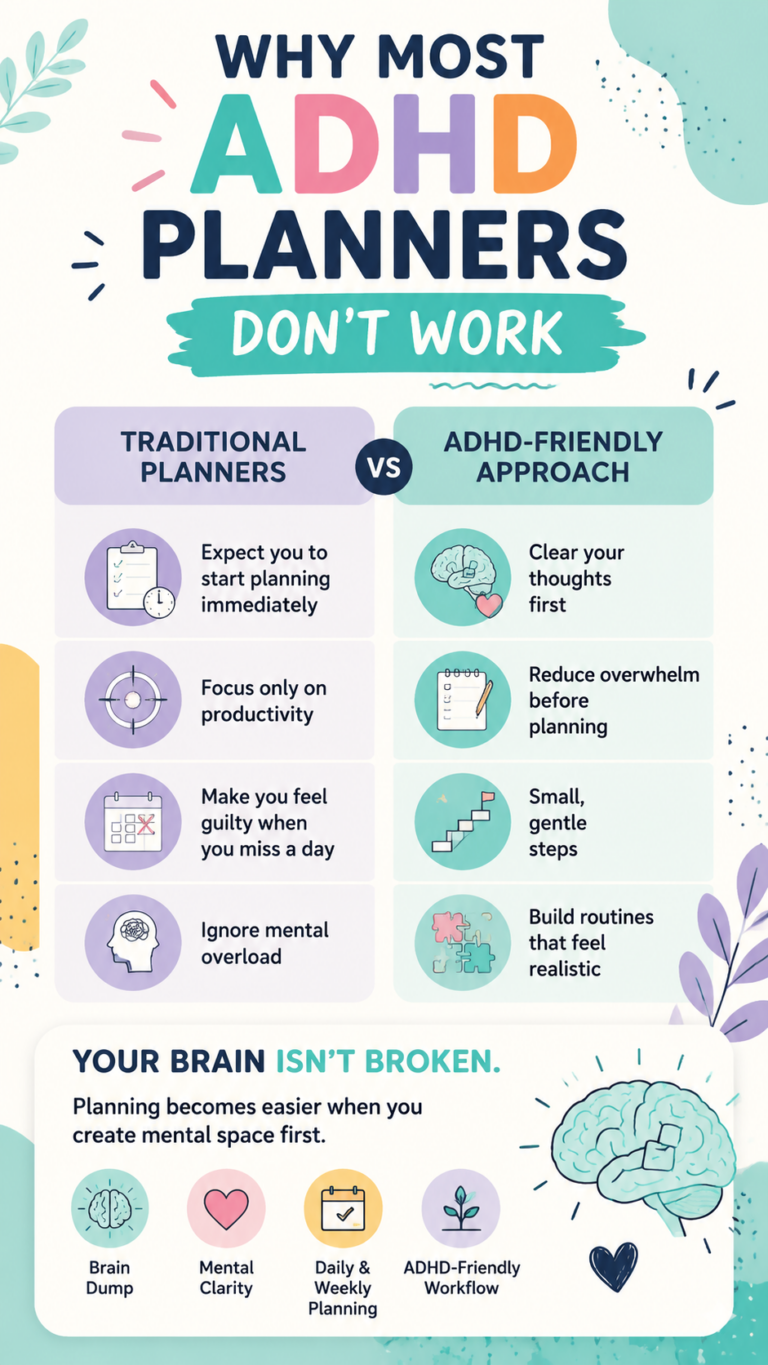
Many traditional planners focus on strict schedules, long task lists, and productivity goals. While these systems work well for some people, they can create frustration for those who experience challenges with executive functioning, attention regulation, task initiation, or maintaining routines.
An AuDHD-friendly planner takes a different approach. Instead of asking, “How much can I accomplish today?” it encourages questions like, “What support do I need today?” and “What small step can help me move forward?” This shift creates a kinder relationship with planning.
Important: The most effective planner is not necessarily the most detailed one. A successful routine system is one that feels easy to return to, even on busy or low-energy days.
The Role of Visual Structure
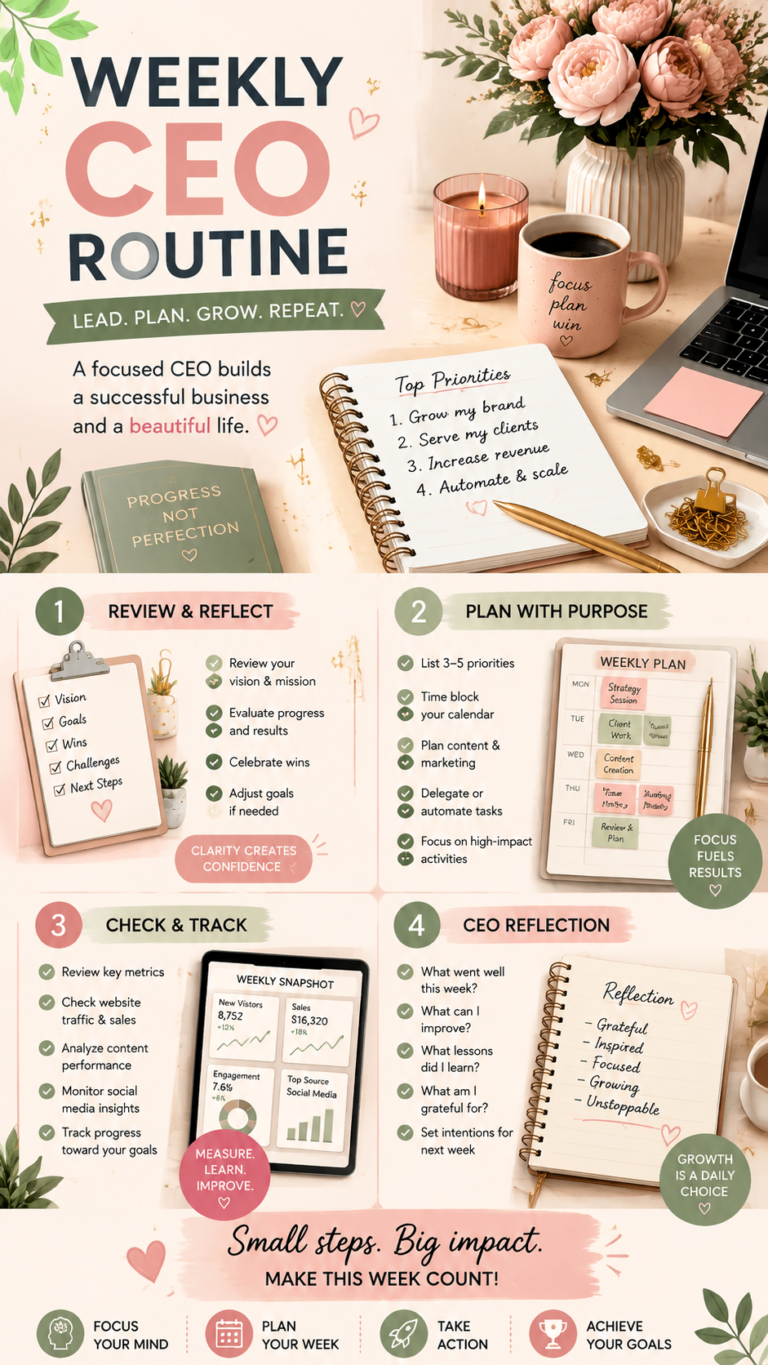
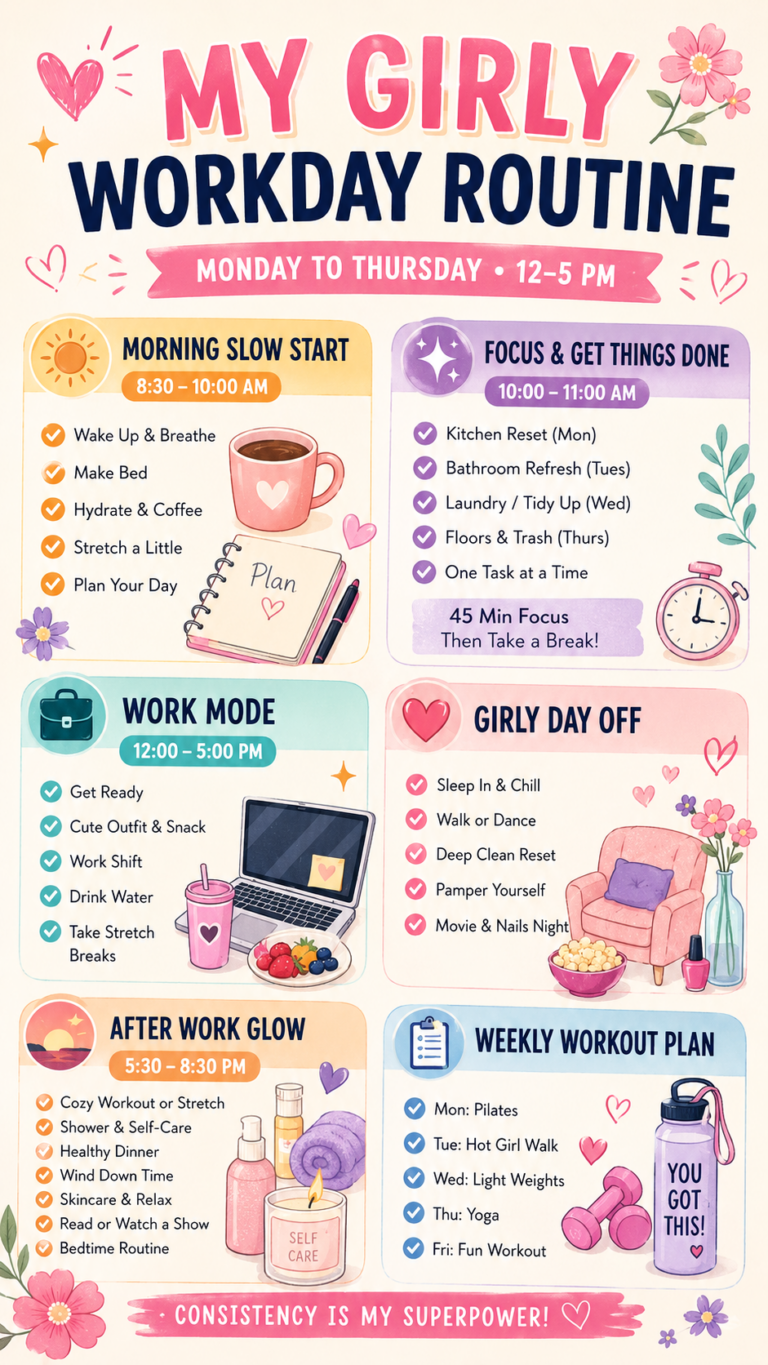
Visual planning tools can be especially helpful because they reduce the amount of information your brain has to hold at once. A clear layout with sections for priorities, habits, meals, and self-care creates an external support system for everyday life.
The planner style shown focuses on visual comfort, using soft colors, simple checklists, and encouraging reminders. These elements make planning feel less like a demand and more like a supportive daily companion.
Building a Gentle Morning Routine
A strong day often begins with a simple morning routine. Instead of creating a complicated checklist, an AuDHD daily routine focuses on a few grounding actions that help transition into the day.
Simple Morning Habits to Support Focus
- Drink water after waking up.
- Complete basic self-care steps.
- Get dressed in comfortable, intentional clothing.
- Make the bed or tidy one small area.
- Eat a nourishing breakfast.
- Set a gentle intention for the day.
The goal is not to create a perfect morning. The goal is to create a predictable starting point that helps your brain recognize, “The day has begun.” Small routines can become powerful anchors over time.
Why Small Steps Work
Large tasks can sometimes feel difficult to begin because they require many decisions. Smaller actions reduce that mental load. Drinking water, opening a planner, or choosing one priority creates momentum without requiring overwhelming effort.
Using Energy-Based Task Planning
One of the most helpful ideas in a gentle executive function planner is organizing tasks by energy level. Not every day provides the same amount of focus, motivation, or mental capacity.
Instead of forcing yourself to complete difficult tasks at inconvenient times, energy-based planning allows you to work with your current abilities.
High-Energy Tasks
High-energy moments are ideal for activities that require deeper concentration. Examples include creative projects, problem-solving, studying, brainstorming, or important work assignments.
Medium-Energy Tasks
Medium-energy periods are useful for everyday responsibilities such as answering messages, organizing information, planning, and completing administrative tasks.
Low-Energy Tasks
Low-energy days still count. Simple activities like tidying, sorting, listening to something relaxing, or completing small household tasks can maintain progress without exhausting your resources.
Creating Focus and Reset Moments
A productive routine needs breaks. The planner approach highlights focus and reset periods that encourage intentional pauses throughout the day.
Short resets can include deep breathing, meditation, stepping away from a workspace, drinking water, or clearing a small area. These moments help prevent burnout and provide opportunities to reconnect with your priorities.
Helpful Reset Strategies
- Choose your top three priorities instead of creating an endless list.
- Use timers to create gentle focus sessions.
- Take movement breaks between tasks.
- Celebrate completed steps, even small ones.
Why This Matters
Executive function support is not about forcing yourself into a rigid system. It is about designing your environment so important tasks become easier to notice, start, and complete.
Making Time for Meals and Self-Care
Daily routines are not only about productivity. Nutrition, hydration, rest, and emotional care are essential parts of maintaining balance.
A planner that includes meal reminders and wellness check-ins helps create a more complete picture of the day. Instead of treating self-care as an extra task, it becomes part of the routine itself.
Gentle Self-Care Ideas
- Prepare simple meals and snacks.
- Stay hydrated throughout the day.
- Create relaxing evening rituals.
- Spend a few minutes reflecting on daily wins.
- Allow rest without guilt.
Building an Evening Wind-Down Routine
An evening routine helps signal that the day is ending and prepares your mind for tomorrow. A calm nighttime rhythm can include skincare, journaling, reading, relaxing activities, and preparing for the next day.
Reflection is another valuable habit. Recognizing accomplishments, even small ones, helps build confidence and creates a more positive relationship with routines.
Remember: Rest Is Productive
Rest is not something that needs to be earned. Recovery allows your brain and body to recharge, making future tasks easier to approach.
At a Glance: Creating a Supportive Daily System
Quick Points
- Start with simple routines that feel achievable.
- Match tasks with your available energy.
- Use visual reminders to reduce mental clutter.
- Celebrate progress instead of chasing perfection.
Conclusion: A Kinder Way to Plan Your Day
A gentle AuDHD daily planner is more than a schedule. It is a supportive tool for creating routines that respect your energy, your needs, and your personal way of working. By focusing on small actions, flexible planning, and realistic expectations, everyday life can feel more organized and less overwhelming.
The best routine is the one you can return to again and again. Whether you are building morning habits, improving focus, or creating peaceful evenings, a compassionate planning system can help you move forward one step at a time.
Tags
AuDHD Planner
ADHD Routine
Executive Function Support
Gentle Productivity
Daily Planner Ideas
Self Care Routine