
Beginner Soft Girl Workout Routine for Full Body Glow Up Fitness Motivation Tips
Building a healthier lifestyle does not have to feel intimidating. A beginner-friendly workout routine that combines strength training, mobility, core exercises, and light cardio can help you create lasting habits while improving both physical fitness and self-confidence. A soft, balanced approach to fitness focuses on consistency over perfection, making it easier to enjoy the journey instead of chasing unrealistic expectations.
Whether your goal is to tone your body, increase daily energy, improve posture, or simply develop a positive relationship with exercise, following a structured weekly routine can make a remarkable difference. Small daily actions eventually lead to significant progress, especially when paired with patience, proper recovery, and self-care.
Key Takeaways
- Focus on building sustainable fitness habits instead of quick results.
- Combine lower body, upper body, core, and cardio workouts for balanced progress.
- Warm up before every workout to reduce injury risk.
- Stay consistent with 3 to 5 workout days each week.
- Recovery, hydration, and nutrition are just as important as exercise.
Why a Balanced Workout Routine Works Better
A complete workout plan trains every major muscle group while improving endurance, flexibility, and overall movement quality. Instead of repeating the same exercises every day, a balanced routine gives muscles time to recover while allowing other areas of the body to continue developing.
Many beginners make the mistake of focusing only on cardio or only on strength training. The best long-term results usually come from combining both. Strength exercises help build lean muscle, while cardio supports heart health, stamina, and calorie expenditure.
Important: The most effective fitness routine is the one you can consistently follow. Moderate workouts performed regularly often produce better results than intense sessions that quickly lead to burnout.
Preparing Your Body with a Proper Warm Up
Every workout should begin with five to ten minutes of gentle movement. A proper warm up increases blood flow, activates muscles, improves joint mobility, and prepares your body for more challenging exercises.
Simple Warm Up Ideas
- Light cardio such as marching or walking in place
- Arm circles
- Hip circles
- Leg swings
- Gentle neck rolls
- Dynamic stretches for the hips and shoulders
These movements only require a few minutes but can dramatically improve workout quality and reduce stiffness throughout the session.
Lower Body Exercises for Strength and Stability
The lower body contains some of the largest muscles in the body. Strengthening these muscles improves balance, posture, athletic performance, and everyday activities like climbing stairs or carrying groceries.
Squats
Squats strengthen the quadriceps, glutes, hamstrings, and core. Beginners can perform bodyweight squats before gradually adding resistance.
Lunges
Lunges challenge balance while strengthening each leg individually. They also help improve coordination and hip stability.
Glute Bridges
Glute bridges activate the glute muscles while supporting lower back health. They are an excellent exercise for beginners who spend long hours sitting.
Donkey Kicks and Fire Hydrants
These bodyweight exercises isolate the glutes while strengthening the hips. They also improve pelvic stability and support healthier movement patterns.
Expert Insight
Quality always beats quantity. Controlled repetitions with proper technique activate muscles more effectively than rushing through a workout with poor form.
Upper Body Exercises That Improve Everyday Strength
Upper body training supports posture, increases functional strength, and helps make everyday tasks feel easier. Even light dumbbells or resistance bands can provide excellent results.
Shoulder Press
This exercise strengthens the shoulders while improving overhead mobility.
Bent Over Rows
Rows develop the upper back and help counteract the effects of prolonged sitting and computer work.
Bicep Curls
Bicep curls build arm strength that carries over into many daily activities.
Tricep Kickbacks
Strong triceps improve pushing strength while adding balance to upper body development.
Pro Tip: Focus on slow, controlled movements during every repetition. Muscle control improves strength development while reducing unnecessary strain on joints.
Core Training for Better Stability
A strong core does far more than improve appearance. It supports the spine, improves posture, enhances balance, and contributes to better movement during every exercise.
Crunches
Crunches strengthen the abdominal muscles when performed with controlled movement.
Leg Raises
Leg raises target the lower abdominal region while requiring core stability throughout the movement.
Russian Twists
This rotational exercise develops the oblique muscles and improves trunk control.
Plank Holds
Planks strengthen the entire core while also engaging the shoulders, back, and glutes.
Adding Cardio Without Feeling Overwhelmed
Cardiovascular exercise supports heart health, improves endurance, and complements strength training. Beginners do not need exhausting workouts to experience benefits.
- Brisk walking
- Light jogging
- Cycling
- Dancing
- Low-impact aerobic workouts
Twenty to thirty minutes of enjoyable cardio several times each week is often enough to improve overall fitness while keeping motivation high.
Creating a Weekly Workout Schedule
A simple weekly structure helps eliminate decision fatigue and encourages consistency.
Example Weekly Plan
- Monday: Lower body workout
- Tuesday: Cardio and mobility
- Wednesday: Upper body workout
- Thursday: Active recovery or stretching
- Friday: Core workout and light cardio
- Saturday: Full body workout
- Sunday: Rest and recovery
This flexible schedule allows enough recovery while maintaining regular physical activity throughout the week.
Important: Rest days are productive days. Recovery allows muscles to rebuild, energy levels to return, and motivation to stay strong for future workouts.
Supporting Your Workouts with Healthy Habits
Exercise is only one piece of overall wellness. Daily habits play a major role in long-term success.
Stay Hydrated
Water supports muscle function, recovery, and overall performance during workouts.
Eat Balanced Meals
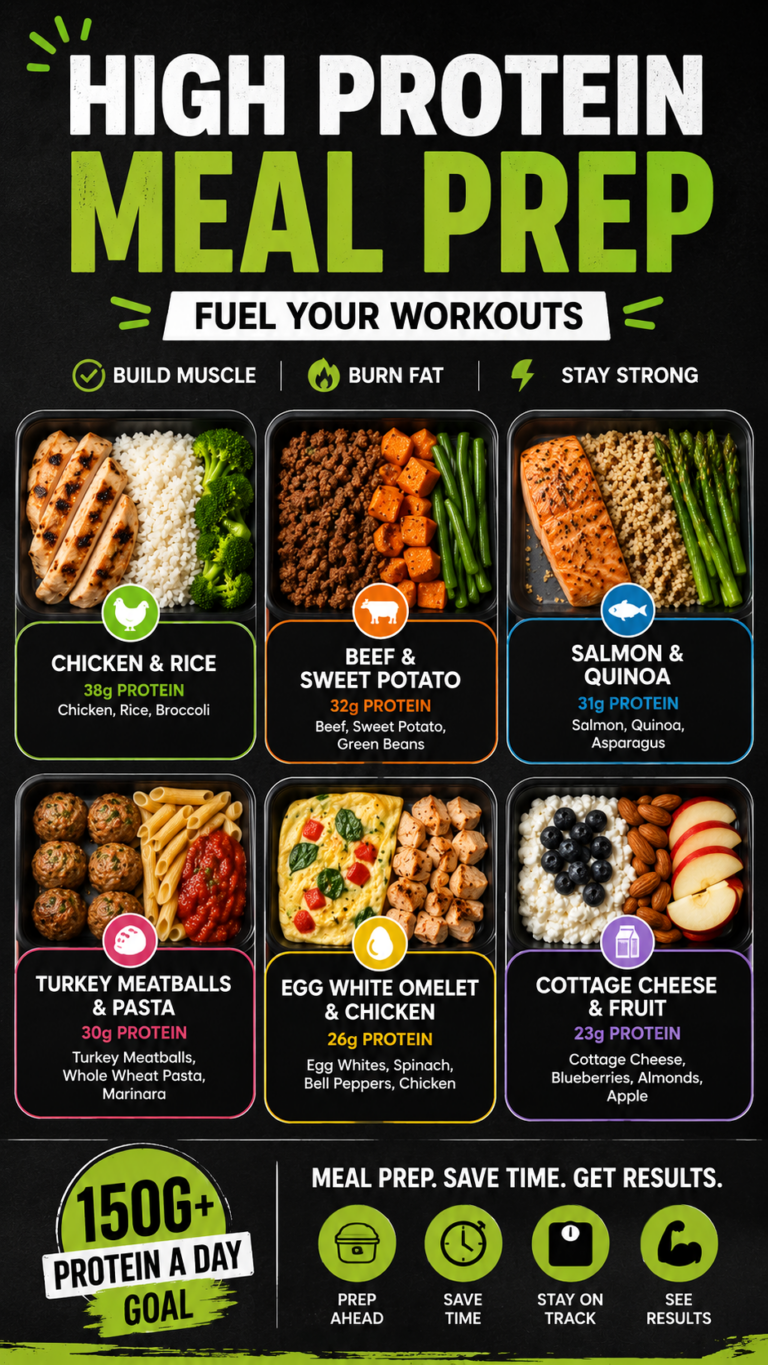
Nutritious meals rich in protein, complex carbohydrates, healthy fats, fruits, and vegetables help fuel workouts and recovery.
Prioritize Sleep
Sleep is when much of your body’s recovery takes place. Quality rest supports muscle repair and mental focus.
Celebrate Progress
Progress is not measured only by weight or appearance. Increased strength, improved energy, better mood, and greater confidence are meaningful achievements worth celebrating.
Building Confidence Through Consistency
Fitness is not about becoming perfect. It is about becoming stronger, healthier, and more confident through repeated positive choices. Showing up for yourself each week creates momentum that extends beyond exercise into other areas of life.
Choosing manageable workouts, allowing yourself time to improve, and maintaining a positive mindset can transform exercise from an obligation into a rewarding daily habit.
At a Glance
- Warm up before every workout.
- Train your entire body each week.
- Add enjoyable cardio sessions.
- Recover with sleep, hydration, and balanced nutrition.
- Stay consistent instead of chasing perfection.
Conclusion
A beginner-friendly workout routine creates a solid foundation for long-term health and wellness. By combining lower body strength, upper body exercises, core training, cardio, and recovery, you can steadily improve your fitness while building confidence one workout at a time. Remember that every session counts, even when progress feels slow. Consistency, patience, and self-care remain the most powerful tools for creating lasting results and enjoying a healthier, more active lifestyle.
Tags
Beginner Workout Home Fitness Full Body Workout Women’s Fitness Strength Training Core Exercises Fitness Motivation Healthy Lifestyle