Gut-Brain Axis Explained How Your Second Brain Affects Mood, Digestion Health
The gut and the brain are connected in remarkable ways, influencing far more than digestion alone. Scientists often refer to this relationship as the gut-brain axis, a communication network that links your digestive system with your central nervous system. This fascinating connection helps explain why stress can upset your stomach, why certain foods affect your mood, and why maintaining a healthy gut may support both physical and mental well-being.
As research continues to grow, more people are discovering that gut health is about much more than avoiding digestive discomfort. The trillions of microorganisms living inside your digestive tract, your nervous system, and the communication pathways between your gut and brain all work together to influence how you feel every day.
Key Takeaways
- The gut and brain communicate continuously through the gut-brain axis.
- A healthy gut microbiome may support mood, focus, and digestion.
- Nutrition, sleep, exercise, and stress management all influence gut health.
- The vagus nerve plays a major role in gut-to-brain communication.
- Small daily habits can contribute to long-term digestive wellness.
What Is the Gut-Brain Axis?
The gut-brain axis is a two-way communication system connecting the digestive tract with the brain. Instead of working independently, these systems constantly exchange information using nerves, hormones, immune signals, and chemical messengers.
This communication allows your brain to influence digestion while your digestive system also sends signals that affect mood, appetite, stress responses, and overall health.
Important: Modern research increasingly shows that supporting gut health may positively influence overall wellness because digestive function, immune activity, and brain signaling are closely connected.
Why Your Gut Is Called Your Second Brain
The digestive tract contains an extensive network of specialized nerve cells known as the enteric nervous system. Because this network can regulate many digestive processes independently, it is often called the body’s “second brain.”
While the enteric nervous system does not think or reason like the brain inside your skull, it plays an essential role in controlling digestion, coordinating muscle contractions, regulating secretions, and communicating with the central nervous system.
The Enteric Nervous System
The enteric nervous system stretches throughout the digestive tract and contains millions of nerve cells that coordinate digestive activity.
- Regulates movement of food through the intestines.
- Coordinates digestive enzymes.
- Communicates with immune cells.
- Sends continuous feedback to the brain.
- Responds to changes inside the digestive system.
The Vagus Nerve: The Information Highway
One of the most important communication pathways between the gut and brain is the vagus nerve. This long nerve connects multiple organs and helps transmit signals in both directions.
When digestion changes, the vagus nerve carries information to the brain. Likewise, emotional states such as stress or relaxation influence digestive activity through this same pathway.
Expert Insight
Healthy lifestyle habits often work together. Nutritious meals, quality sleep, regular movement, and stress reduction can all contribute to better gut function while also supporting overall well-being.
How Gut Bacteria Support Overall Health
Your digestive system contains trillions of bacteria, fungi, and other microorganisms collectively known as the gut microbiome.
Many of these microbes perform valuable functions that benefit the body.
Benefits of a Healthy Microbiome
- Helps digest certain foods.
- Supports nutrient absorption.
- Produces beneficial compounds.
- Supports immune function.
- Contributes to digestive balance.
Maintaining microbial diversity is considered one of the foundations of digestive wellness.
Neurotransmitters and the Gut
The digestive system plays an important role in producing or influencing several chemical messengers involved in communication throughout the body.
Serotonin
Serotonin helps regulate mood, appetite, and sleep. A significant portion of the body’s serotonin is associated with the digestive tract, highlighting the close relationship between gut function and overall wellness.
Dopamine
Dopamine contributes to motivation, reward, and learning. Healthy nutrition supports the body’s natural production of dopamine-related compounds.
GABA
GABA is involved in calming nervous system activity. Researchers continue exploring how gut microbes may influence its production and regulation.
Pro Tip: A diet rich in colorful vegetables, fruits, legumes, fermented foods, and fiber provides valuable nutrients that help nourish beneficial gut bacteria.
Lifestyle Habits That Support Gut Health
Improving gut health usually does not require dramatic changes. Consistent daily habits often provide meaningful long-term benefits.
Eat More Fiber
Whole grains, vegetables, fruits, beans, and legumes help nourish beneficial microbes.
Stay Hydrated
Drinking enough water supports normal digestion and healthy bowel function.
Manage Stress
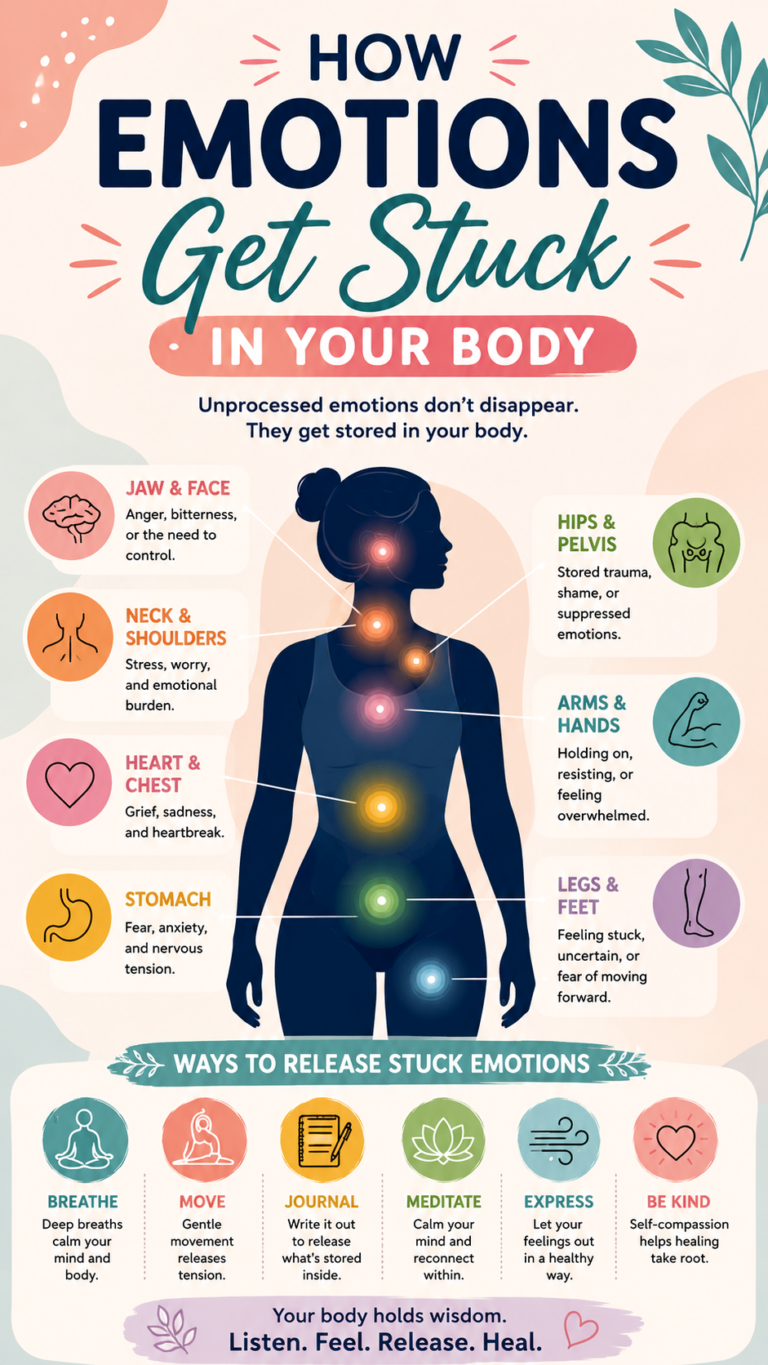
Mindfulness, meditation, breathing exercises, and relaxation techniques may help reduce stress that can affect digestion.
Exercise Regularly
Regular physical activity supports digestive function while promoting overall health.
Prioritize Sleep
Healthy sleep habits contribute to both gut health and brain function.
Can Breathing and Relaxation Help?
Relaxation practices may help activate the body’s natural calming response. Deep breathing, gentle movement, humming, meditation, and mindfulness are commonly recommended techniques for reducing stress, which may indirectly support healthy digestive function.
Important: Gut health is influenced by many factors working together. Nutrition, stress management, movement, sleep, and hydration often provide greater benefits when practiced consistently rather than occasionally.
Foods That May Support the Gut-Brain Axis
- Yogurt with live cultures
- Kefir
- Sauerkraut
- Kimchi
- Oats
- Leafy greens
- Berries
- Beans and lentils
- Nuts and seeds
- Whole grains
Common Habits That May Affect Gut Health
- Highly processed diets.
- Chronic stress.
- Poor sleep quality.
- Sedentary lifestyle.
- Inadequate fiber intake.
Quick Points
- Your gut and brain communicate continuously.
- The vagus nerve helps connect both systems.
- A diverse microbiome supports digestive wellness.
- Healthy habits benefit both digestion and overall well-being.
- Consistency matters more than perfection.
Conclusion
The gut-brain axis demonstrates that digestive health and overall wellness are closely connected. While scientists continue learning more about this fascinating relationship, existing evidence already highlights the value of caring for your digestive system through balanced nutrition, healthy lifestyle habits, stress management, regular exercise, and quality sleep.
Small improvements practiced consistently can support digestive comfort, encourage a healthier microbiome, and contribute to better overall well-being. By understanding the connection between the gut and the brain, you can make informed choices that benefit your body every day.
Tags
Gut-Brain Axis Gut Health Digestive Health Microbiome Brain Health Healthy Lifestyle Nutrition Wellness