Why We Become People Pleasers Causes, Patterns How to Stop the Cycle
People pleasing is a pattern many people experience without fully understanding where it comes from. The desire to be liked, accepted, and appreciated can feel natural, but when the need for approval becomes stronger than your own needs, it can lead to stress, emotional exhaustion, and a loss of connection with yourself. Understanding why we become people pleasers is the first step toward creating healthier relationships and building stronger self-worth.
This guide explores the roots of people pleasing, the common reasons behind this behavior, how the pattern develops over time, and practical ways to move toward confidence, boundaries, and authenticity.
Key Takeaways
- People pleasing is a learned behavior, not a fixed personality trait.
- The need for approval often develops from early experiences and emotional patterns.
- Fear of rejection can make saying “no” feel uncomfortable or unsafe.
- Healthy boundaries allow you to care for others without ignoring yourself.
- Small mindset shifts can help you create more balanced relationships.
What Does It Mean to Be a People Pleaser?
A people pleaser is someone who frequently prioritizes other people’s feelings, expectations, and needs over their own. While kindness and compassion are positive qualities, people pleasing becomes unhealthy when it requires constant self-sacrifice.
Many people pleasers find themselves automatically saying yes, avoiding disagreements, changing their opinions to match others, or feeling responsible for keeping everyone around them happy. These behaviors may create temporary peace, but they can slowly lead to frustration, resentment, and emotional burnout.
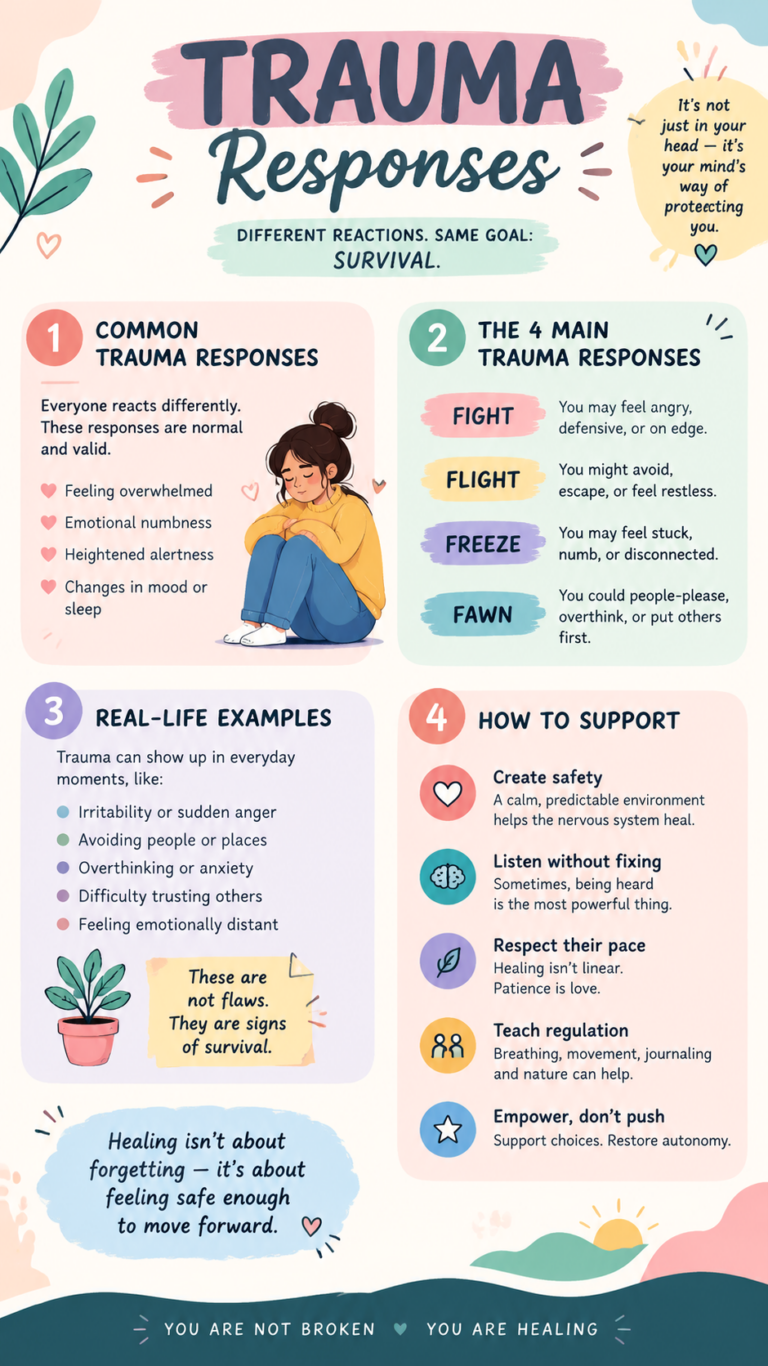
Important: People pleasing is not a sign of weakness or a lack of confidence. It is often a protective pattern that developed when approval, acceptance, or emotional safety felt connected to being helpful and agreeable.
Why We Become People Pleasers
People pleasing usually does not appear overnight. It develops through repeated experiences, beliefs, and emotional lessons that teach us how to interact with others. Understanding these roots can make it easier to replace old patterns with healthier choices.
1. We Seek Love and Approval
One of the most common reasons people become people pleasers is the desire to feel accepted. Many individuals learn that being helpful, easygoing, or agreeable brings positive attention and emotional connection.
Over time, the brain may begin to associate being liked with keeping others happy. This can create a habit of looking outside yourself for validation instead of developing a strong sense of personal worth.
2. We Try to Avoid Conflict
For some people, disagreement feels uncomfortable or threatening. Instead of expressing honest feelings, they may stay quiet, agree quickly, or ignore their own preferences to maintain harmony.
Avoiding conflict can feel peaceful in the moment, but constantly suppressing your needs can create emotional pressure over time.
3. We Were Rewarded for Being “Good”
Many people receive praise for being responsible, helpful, and considerate. These qualities are valuable, but problems can occur when someone begins believing they are only worthy when they are useful to others.
The goal is not to stop caring about people. The goal is to understand that your value does not depend on how much you do for everyone else.
4. We Absorb Other People’s Emotions
Highly empathetic individuals may naturally notice changes in other people’s moods. While emotional awareness is a strength, it can become overwhelming when you feel responsible for fixing every problem or preventing every disappointment.
Learning the difference between supporting someone and carrying their emotions is an important part of personal growth.
5. We Fear Rejection
Fear of rejection is one of the strongest drivers behind people pleasing. Saying no may feel risky because it creates worries about disappointing others, losing relationships, or being judged negatively.
However, healthy relationships are built on honesty, not constant agreement. People who truly care about you can respect your boundaries.
How People Pleasing Develops Over Time
People pleasing often follows a repeating cycle. A person anticipates another person’s needs, ignores their own feelings, says yes even when they do not want to, and then experiences exhaustion or resentment.
The cycle continues because pleasing others may bring short-term relief. You avoid conflict, receive approval, and feel accepted. But the long-term cost can include emotional fatigue and a weaker connection with your own identity.
The People Pleasing Cycle
- You anticipate what others need.
- You ignore your own feelings or preferences.
- You agree even when you want to say no.
- You prioritize others repeatedly.
- You experience stress, exhaustion, or resentment.
- You repeat the pattern to regain approval.
Why Setting Boundaries Feels Difficult
For many people pleasers, boundaries can feel uncomfortable because they challenge old beliefs. If you have learned that being caring means always being available, protecting your time and energy may initially feel selfish.
Healthy boundaries are not walls that separate you from others. They are guidelines that help create respectful relationships where both people’s needs matter.
Signs You May Need Stronger Boundaries
- You often feel drained after helping others.
- You struggle to express your true opinions.
- You feel guilty when taking time for yourself.
- You agree to things you do not actually want to do.
- You worry excessively about disappointing people.
How to Stop Being a People Pleaser
Changing people pleasing habits does not require becoming less kind. It means learning how to include yourself in the care and compassion you give to others.
1. Become Aware of the Pattern
Start noticing situations where you automatically put others first. Ask yourself whether you are helping because you truly want to or because you fear a negative reaction.
2. Pause Before Saying Yes
Creating a small pause can change everything. Instead of immediately agreeing, give yourself permission to think. A simple response like “Let me check and get back to you” gives you space to consider your own needs.
3. Practice Honest Communication
Healthy relationships grow through authenticity. Expressing your thoughts respectfully allows others to know the real you instead of only the version that tries to please everyone.
4. Choose Yourself Without Guilt
Taking care of your own needs is not selfish. Rest, personal time, and emotional balance are essential parts of being able to show up for others in a healthier way.
Why This Matters
Being kind and having boundaries can exist together. The goal is not to care less about others, but to create relationships where care flows in both directions.
Building a More Authentic Version of Yourself
Moving away from people pleasing is a journey of self-awareness. It requires patience because these patterns often develop over years. Small changes, repeated consistently, can create a stronger sense of confidence and freedom.
You can still be compassionate, supportive, and thoughtful while also honoring your own feelings. Authenticity does not mean becoming less caring. It means allowing yourself to exist fully in your relationships.
At a Glance
- People pleasing is a learned pattern.
- Your needs deserve attention too.
- Boundaries create healthier connections.
- Small choices build lasting change.
Conclusion: You Can Care for Others Without Losing Yourself
Understanding why we become people pleasers helps us recognize that these behaviors often come from a desire for connection and acceptance. The challenge is learning that your worth does not depend on how much you do for others.
You can be generous without constantly sacrificing yourself. You can support people without carrying their emotions. You can say no while still being a kind person.
The path forward begins with awareness, self-compassion, and small choices that honor your own needs. A healthier balance is possible, one gentle step at a time.
Tags
People Pleasing
Self Growth
Healthy Boundaries
Emotional Wellness
Self Awareness
Personal Development