Hourglass Body Workout Plan for Women Tone Glutes, Core Full Body Strength
Creating an hourglass physique is about much more than chasing a specific body shape. It is about building balanced strength, improving posture, and developing healthy habits that support long-term fitness. A well-structured workout routine can help you strengthen your lower body, define your shoulders, and build a stronger core while improving overall confidence.
This workout plan focuses on a balanced approach by combining lower body exercises, upper body movements, and targeted core training. Instead of relying on endless cardio or unrealistic shortcuts, the routine encourages consistent strength training paired with healthy lifestyle habits. Whether you are working out at home with dumbbells or following a gym program, these exercises can help you create a toned, athletic appearance while becoming stronger every week.
Key Takeaways
- Focus on balanced muscle development instead of quick fixes.
- Train your lower body, upper body, and core consistently each week.
- Progressively increase resistance as you become stronger.
- Support your workouts with quality nutrition, hydration, and sleep.
- Consistency delivers better long-term results than perfection.
Understanding the Hourglass Body Shape
An hourglass figure is typically characterized by balanced shoulders and hips with a more defined waist. While genetics influence body proportions, strength training can help create the appearance of improved balance by developing specific muscle groups.
Building stronger glutes can enhance your lower body’s shape, while strengthening your shoulders creates better upper body symmetry. Core training supports posture and abdominal strength, making your waist appear more defined without relying on unhealthy weight loss methods.
Important: Every body is unique. This workout routine is designed to improve strength, muscle tone, and overall fitness rather than promise a specific body type. Focus on becoming healthier and stronger while celebrating your own progress.
Why Strength Training Is the Foundation
Many people believe endless cardio is the fastest path toward a toned physique. In reality, resistance training plays a much larger role in shaping muscles and improving body composition.
Strength training increases lean muscle mass, boosts metabolism, enhances posture, and supports healthy joints. It also helps improve athletic performance and makes everyday activities easier.
Benefits of Strength Training
- Improves muscle definition.
- Supports healthy bone density.
- Increases functional strength.
- Enhances confidence and posture.
- Helps maintain a healthy metabolism.
- Reduces the risk of common injuries.
Lower Body Workouts for Curves and Strength
The lower body receives the highest training frequency in this routine because strong glutes and legs create balance while improving overall athletic ability.
Goblet Squats
Goblet squats strengthen the glutes, quadriceps, hamstrings, and core simultaneously. Keep your chest lifted, knees tracking over your toes, and lower yourself with control before driving through your heels to stand.
Romanian Deadlifts
Romanian deadlifts primarily target the hamstrings and glutes while reinforcing proper hip hinge mechanics. Maintain a neutral spine and allow your hips to move backward as the weight lowers.
Reverse Lunges
Reverse lunges challenge each leg independently while improving balance and coordination. They also reduce stress on the knees compared to some forward lunge variations.
Glute Bridges
Glute bridges isolate the glute muscles and help improve hip strength. Pause briefly at the top of every repetition to maximize muscle activation.
Fire Hydrants
Fire hydrants strengthen the hip abductors and glute medius, muscles that contribute to hip stability and balanced lower body development.
Expert Insight
Prioritize quality movement over heavy weights. Controlled repetitions with proper form often produce better long-term muscle development and reduce injury risk compared to rushing through exercises.
Upper Body Exercises for Better Balance
Many workout plans focus only on the lower body, but balanced upper body training creates symmetry while improving overall strength.
Push-Ups
Push-ups develop the chest, shoulders, triceps, and core. Beginners can modify the movement by elevating their hands or performing knee push-ups.
Dumbbell Shoulder Press
Shoulder presses strengthen the deltoids and improve upper body stability. Strong shoulders contribute to balanced body proportions and better posture.
Bent Over Rows
Rows strengthen the upper back while helping counteract poor posture caused by prolonged sitting. Focus on squeezing your shoulder blades together at the top of each repetition.
Lateral Raises
Lateral raises isolate the side deltoids, helping create broader-looking shoulders that visually balance the hips.
Tricep Kickbacks
This isolation movement builds stronger triceps while complementing compound pressing exercises.
Pro Tip: Select a weight that allows you to complete every repetition with excellent form while still feeling challenged during the final few reps of each set.
Core Training for Stability and Definition
A strong core supports nearly every movement in daily life and improves lifting performance.
Planks
Planks build endurance throughout the abdominal muscles, lower back, and shoulders while reinforcing proper spinal alignment.
Russian Twists
This rotational exercise strengthens the obliques and improves trunk control when performed with slow, controlled movement.
Leg Raises
Leg raises emphasize the lower abdominal muscles while encouraging better hip control.
Bicycle Crunches
Bicycle crunches combine rotation with abdominal activation to engage multiple areas of the core.
Mountain Climbers
Mountain climbers add a cardiovascular challenge while strengthening the shoulders, core, and hip flexors.
Creating a Weekly Workout Schedule
A balanced weekly routine helps muscles recover while providing enough training volume for progress.
- Lower body: 3 to 4 sessions per week.
- Upper body: 2 to 3 sessions per week.
- Core training: 4 to 6 shorter sessions weekly.
- Take at least one full recovery day each week.
Nutrition Supports Every Workout
Your workouts provide the stimulus for growth, but nutrition provides the building blocks for recovery.
Protein
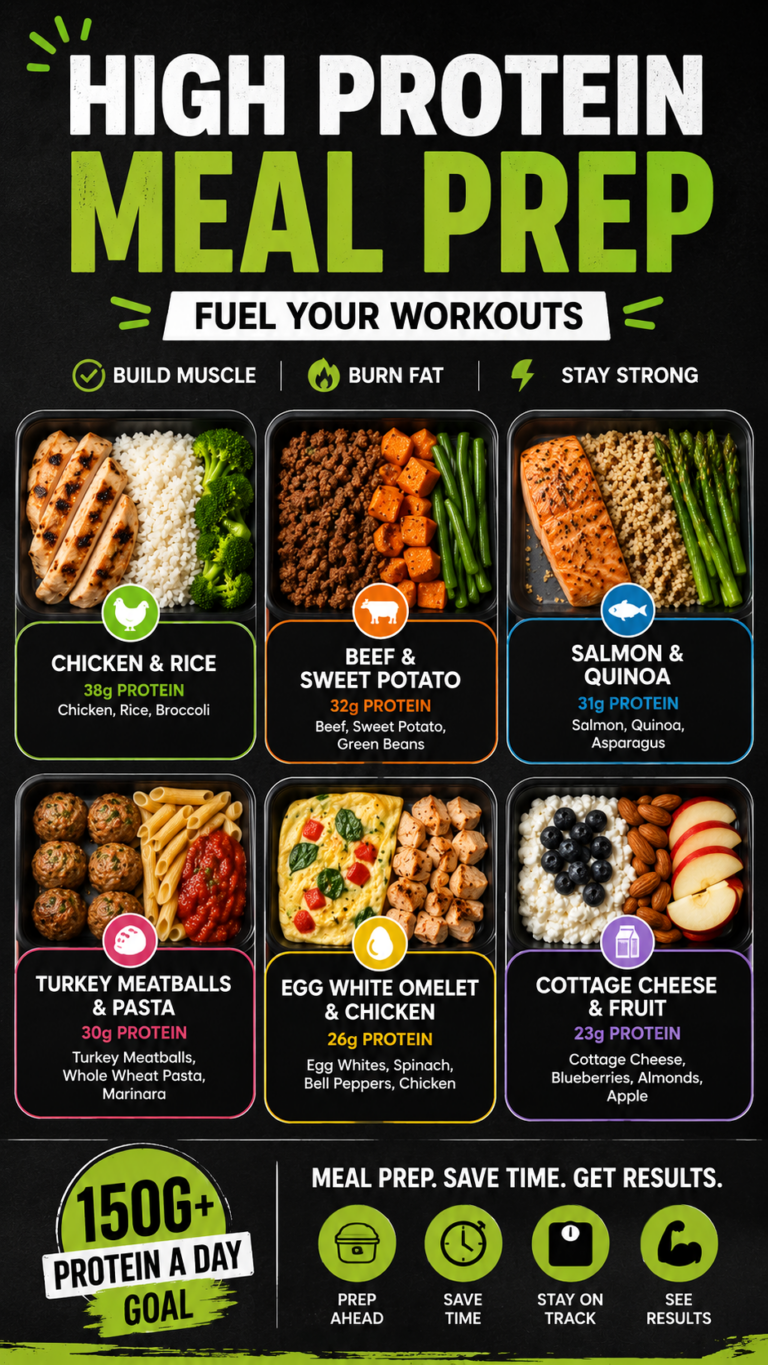
Include lean protein sources throughout the day to support muscle repair and recovery.
Hydration
Proper hydration improves workout performance and helps regulate body temperature during exercise.
Sleep
Quality sleep allows your body to recover, repair muscle tissue, and maintain consistent energy levels.
Common Mistakes to Avoid
- Skipping warm-ups before lifting.
- Using weights that are too heavy too soon.
- Ignoring upper body training.
- Changing routines every week.
- Not allowing enough recovery.
- Expecting instant results.
Important: Visible changes usually happen gradually. Building strength and improving muscle tone require patience, consistent training, balanced nutrition, and adequate recovery over weeks and months.
Staying Motivated Throughout Your Fitness Journey
Progress is not always measured by the scale. Improved strength, better endurance, increased confidence, and healthier daily habits are equally meaningful signs of success. Keep a workout journal, celebrate small milestones, and remember that consistency always outperforms perfection.
Quick Points
- Train your lower body consistently for strength and balance.
- Build shoulder and back muscles for better proportions.
- Strengthen your core several times each week.
- Support workouts with nutrition, hydration, and sleep.
- Stay patient and focus on steady progress.
Conclusion
A balanced hourglass body workout routine is ultimately about building strength from head to toe while developing healthy habits that last. By combining lower body exercises, upper body training, targeted core work, and supportive lifestyle practices, you can improve muscle tone, posture, and overall fitness. Stay consistent, challenge yourself gradually, and remember that every workout is another step toward becoming a stronger, healthier version of yourself.
Tags
Hourglass Body Workout Strength Training Glute Workout Core Exercises Women’s Fitness Home Workout Muscle Toning Healthy Lifestyle