How to Build Self-Worth Without Validation 7 Tips to Stop Seeking Approval
Have you ever found yourself questioning your worth because someone did not approve of your choices, ignored your efforts, or failed to recognize your value? It is easy to fall into the habit of seeking reassurance from others, especially when you want to feel accepted, appreciated, and understood. But building self-worth without validation begins when you recognize that your value does not depend on someone else’s opinion. You can learn to trust yourself, appreciate your strengths, and feel confident without constantly looking for approval.
Developing genuine self-worth is not about becoming indifferent to other people or refusing to accept helpful feedback. It is about creating a healthier relationship with yourself. When you understand what matters to you, practice self-compassion, establish healthy boundaries, and surround yourself with supportive people, you begin to build confidence from within.
This guide explores seven practical ways to stop seeking approval, strengthen your self-esteem, and develop a more secure sense of personal worth. Whether you are working on personal growth, healing from people-pleasing habits, or learning to stop comparing yourself to others, these steps can help you move toward a more confident and fulfilling life.
Key Takeaways
- Build self-worth by identifying your personal values and living according to them.
- Stop comparing your journey with someone else’s progress, appearance, or achievements.
- Practice self-compassion instead of criticizing yourself for every mistake.
- Recognize your strengths and celebrate progress, including small improvements.
- Set healthy boundaries that protect your time, energy, and emotional well-being.
- Choose relationships that respect, encourage, and appreciate you as you are.
What Does It Mean to Build Self-Worth Without Validation?
Self-worth is the belief that you have value as a person, regardless of your achievements, appearance, relationship status, popularity, or ability to please others. It is the understanding that you deserve respect and kindness even when you make mistakes, experience rejection, or fall short of your expectations.
External validation happens when you rely on other people to confirm that you are good enough. It can appear in everyday situations, such as constantly checking whether someone likes your decisions, feeling anxious when a message goes unanswered, or changing your opinions to avoid disappointing others.
There is nothing wrong with enjoying compliments, appreciation, or encouragement. Humans naturally want connection and belonging. The difficulty begins when approval becomes the main source of your confidence.
Important: Healthy self-worth does not mean you never need reassurance. It means you can appreciate support from others without allowing their reactions to determine how you feel about yourself.
Signs You May Be Seeking Too Much Approval
Sometimes, approval-seeking habits become so familiar that you barely notice them. You might believe you are simply being considerate or trying to do your best, even when fear of judgment is influencing your choices.
- You struggle to make decisions without asking several people for reassurance.
- You feel guilty whenever you disappoint someone, even when your decision is reasonable.
- You frequently compare your appearance, relationships, career, or accomplishments with others.
- You change your preferences or opinions to fit in with a particular group.
- You interpret criticism as proof that you are inadequate.
- You feel valuable only when you are productive, successful, attractive, or useful to others.
- You find it difficult to say no because you fear rejection or conflict.
Recognizing these patterns is not a reason to criticize yourself. It is an opportunity to understand what you need and begin making different choices. Self-awareness is the first step toward building lasting confidence.
1. Know Your Values and Create Your Own Inner Compass
One of the most effective ways to build self-worth without validation is to understand what genuinely matters to you. When your decisions are guided by personal values rather than the desire to impress others, you become less dependent on outside approval.
Your values are the principles that influence how you want to live. They might include honesty, creativity, kindness, independence, family, learning, courage, or personal growth. There is no universal list of correct values. What matters is identifying the principles that feel meaningful to you.
How to Identify Your Core Values
- Think about meaningful moments. Consider times when you felt proud of yourself. What qualities were you expressing?
- Notice what bothers you. Frustration can sometimes reveal a value that matters deeply to you, such as fairness, honesty, or respect.
- Choose three to five values. Start with a short list of principles you want to prioritize in everyday life.
- Connect values to actions. Decide how each value can influence your choices, habits, and relationships.
For example, if independence is one of your values, you might practice making small decisions without asking for reassurance. If honesty matters to you, you could express your real preferences instead of agreeing with everyone to keep the peace.
The goal is not to follow your values perfectly. It is to use them as a guide when outside opinions become confusing.
A Simple Daily Reflection
At the end of each day, ask yourself: “Did I make choices that reflected the person I want to be?” This question shifts your attention away from whether everyone approved of you and toward whether you acted with intention.
Over time, keeping promises to yourself can strengthen self-trust. You begin to recognize that your confidence can grow from your own decisions, not just from compliments or recognition.
2. Stop Comparing Yourself to Others
Comparison can quietly weaken self-esteem. You see someone else’s success, appearance, relationship, or lifestyle and begin to question whether you are doing enough. Before long, your own progress seems insignificant because you are measuring it against someone else’s life.
Social media can intensify this habit because you often see carefully selected moments rather than the full picture. A person may share a career milestone, a beautiful home, or a happy relationship without showing the difficulties, uncertainty, or ordinary days that surround it.
When you compare yourself constantly, you risk overlooking your own strengths and achievements. You may also begin pursuing goals that look impressive to others but do not reflect what you actually want.
Practical Ways to Break the Comparison Habit
- Notice your triggers. Pay attention to the people, platforms, or situations that leave you feeling inadequate.
- Curate your social media. Unfollow or mute accounts that repeatedly encourage unhealthy comparison, and follow content that supports your interests and growth.
- Measure progress against your past self. Ask what you understand better or handle more effectively than you did six months ago.
- Celebrate other people’s success. Someone else’s achievement does not take away your opportunities or personal value.
- Return to your own priorities. Remind yourself that you are allowed to want a different life from the people around you.
Pro Tip: When comparison makes you feel behind, ask yourself, “What is one small thing I can do today that supports my own goals?” This turns an unhelpful judgment into an opportunity for action.
Remember that personal growth does not follow one universal timeline. You do not need to achieve everything by a certain age, look a particular way, or follow someone else’s definition of success to be worthy of respect.
3. Practice Self-Compassion Instead of Self-Criticism
The way you speak to yourself has a meaningful influence on how you experience mistakes, rejection, and uncertainty. If your inner voice constantly tells you that you are not good enough, external approval may begin to feel like the only way to quiet that criticism.
Self-compassion offers a healthier alternative. It means treating yourself with understanding when you struggle, recognizing that imperfection is part of being human, and responding to difficulties with patience rather than shame.
Self-compassion is not an excuse to avoid responsibility. You can acknowledge a mistake, learn from it, and make things right without deciding that the mistake defines your entire character.
Change the Way You Talk to Yourself
Start by noticing the language you use when something goes wrong. Do you call yourself stupid after making a mistake? Do you assume that one person’s criticism means everyone dislikes you? Do you dismiss your achievements because you believe you should have done more?
Try replacing harsh judgments with balanced statements that acknowledge the situation without attacking your worth.
- Instead of “I always mess everything up,” try “I made a mistake, and I can learn from it.”
- Instead of “Nobody likes me,” try “I feel rejected right now, but one interaction cannot define every relationship.”
- Instead of “I am not good enough,” try “I am still learning, and I deserve patience while I grow.”
- Instead of “I should be further ahead,” try “I can respect my current stage while continuing to work toward my goals.”
Create a Self-Compassion Routine
When you feel disappointed in yourself, pause before reacting. Take a few slow breaths and name what you are experiencing. You might say, “This is difficult,” or “I am feeling insecure right now.”
Next, remind yourself that difficult emotions are normal. You do not have to be the only person who has experienced rejection, uncertainty, or failure. Finally, consider what a kind and practical response would look like.
Perhaps you need rest, a sincere apology, a conversation, or another attempt at something challenging. Responding with compassion helps you move forward without making your worth dependent on getting everything right.
4. Focus on Your Strengths and Celebrate Your Progress
When you are used to seeking approval, it can be difficult to recognize your own accomplishments without someone else pointing them out. You might minimize your abilities, dismiss compliments, or focus so much on your weaknesses that you overlook the qualities that make you capable.
Building self-confidence requires learning to see yourself more fairly. That includes acknowledging your strengths, recognizing the effort you put into your goals, and appreciating the progress you make along the way.
Identify What You Already Do Well
Your strengths do not have to be extraordinary achievements. They may be everyday qualities that you rarely acknowledge because they come naturally to you.
- You listen carefully when someone needs support.
- You remain curious and willing to learn new things.
- You keep trying even when a task feels difficult.
- You communicate honestly when something matters to you.
- You show creativity, patience, humor, resilience, or practical problem-solving skills.
- You recognize when you need to change direction or ask for help.
Write down five qualities you appreciate about yourself. If this feels uncomfortable, think about the ways you have handled difficult situations, supported others, or worked toward something meaningful.
Keep a Personal Progress Journal
A progress journal gives you a place to recognize growth that might otherwise go unnoticed. Each evening, write down one thing you handled well, one challenge you faced, and one thing you learned.
You could record that you spoke up in a meeting, completed a task you had been avoiding, respected your need for rest, or said no to a commitment that did not fit your priorities.
These moments matter because confidence grows through experience. Each time you recognize your effort, you strengthen your ability to evaluate yourself without waiting for another person to do it first.
Celebrate Small Wins Without Feeling Guilty
You do not need to reach a major milestone before you can feel proud of yourself. Finishing a difficult task, practicing a new skill, or making a healthier decision can all be reasons to acknowledge your progress.
Celebrating yourself does not mean believing you are better than anyone else. It means recognizing your effort and allowing yourself to feel satisfied with the person you are becoming.
Why This Matters
When you recognize your strengths and progress consistently, you give yourself more balanced evidence about who you are. Instead of relying entirely on praise, you learn to notice your own effort, values, skills, and resilience. This does not eliminate the need for encouragement, but it can make your confidence less dependent on receiving it.
5. Set Healthy Boundaries and Protect Your Peace
Healthy boundaries are an important part of self-respect. They help you decide what you are comfortable with, how you want to be treated, and how much time and energy you can reasonably give to other people.
If you often seek validation, you might agree to things you do not want to do because you fear being disliked. You may answer every request immediately, take responsibility for other people’s emotions, or avoid expressing your needs because you do not want to seem difficult.
Over time, these patterns can leave you feeling exhausted and disconnected from your own preferences. Boundaries help you create relationships in which your needs matter too.
How to Start Setting Boundaries
- Pause before saying yes. Give yourself time to consider whether you genuinely have the capacity to help.
- Communicate clearly. Explain your limits calmly instead of expecting others to guess what you need.
- Protect your time. Make room for rest, personal interests, and responsibilities that matter to you.
- Allow other people to have feelings. Someone may feel disappointed by your decision, but their disappointment does not automatically mean you did something wrong.
- Be consistent. Repeat your boundary when necessary instead of abandoning it whenever someone disagrees.
Examples of Respectful Boundary Statements
If you are unsure what to say, keep your language simple and direct.
- “I appreciate you asking, but I cannot commit to that right now.”
- “I need some time to think before I make a decision.”
- “I understand that you see it differently, but this is what feels right for me.”
- “I am not available to talk about this at the moment. Can we discuss it later?”
- “I care about you, but I cannot take responsibility for solving this situation for you.”
Setting boundaries may feel uncomfortable at first, especially if you are accustomed to keeping everyone happy. You may experience guilt or worry that people will judge you. That discomfort does not necessarily mean your boundary is unreasonable.
Remember: Boundaries are not a way to control other people. They are a way to communicate what you will accept, what you can offer, and how you will care for yourself. You can be kind and considerate without saying yes to everything.
6. Surround Yourself With People Who Respect You
The people around you can influence how you see yourself. Supportive relationships offer encouragement, honesty, understanding, and room to grow. Unhealthy dynamics may leave you constantly questioning your worth or trying to earn basic respect.
Building self-worth does not mean cutting off everyone who disagrees with you. Healthy relationships include differences, misunderstandings, and occasional conflict. What matters is whether people treat you with respect, take your concerns seriously, and make an effort to communicate constructively.
Signs of a Supportive Relationship
- You can express your opinions without constantly fearing ridicule.
- Your boundaries are taken seriously, even when someone feels disappointed.
- You feel encouraged to pursue your interests and personal goals.
- You can admit mistakes without being repeatedly shamed for them.
- Your successes are acknowledged rather than consistently minimized.
- You can be yourself without feeling that you must perform to earn affection.
Healthy relationships also allow for accountability. Someone who respects you can offer constructive criticism without attacking your character. Likewise, you can listen to feedback, apologize when necessary, and still maintain a stable sense of self-worth.
Become More Intentional About Your Social Circle
Notice how you feel after spending time with different people. Do you feel understood and energized, or do you regularly feel anxious, inadequate, and pressured to prove yourself?
Use these observations to make thoughtful decisions about where you invest your time. Spend more time with people who demonstrate mutual respect, and consider setting limits in relationships that repeatedly undermine your confidence.
Also, practice becoming the kind of supportive person you want in your life. Celebrate other people’s progress, listen without immediately judging, and respect their individual choices. Mutual encouragement creates healthier connections for everyone involved.
Most importantly, remember that being accepted by everyone is not a realistic requirement for living a meaningful life. You can be a thoughtful, caring person and still encounter people who do not understand you. Their preferences do not determine your value.
7. Celebrate Your Growth and Trust Your Own Journey
Building self-worth without validation is not a single breakthrough that permanently removes insecurity. It is an ongoing process of making choices that reflect self-respect, even when you feel uncertain or worry about other people’s opinions.
Some days, you may feel confident and comfortable with your decisions. On other days, criticism or rejection may bring back familiar doubts. This does not mean you have failed. Personal growth often involves practicing new responses while old habits gradually become less automatic.
Learn to Measure Progress Differently
Instead of measuring your growth by how confident you feel every day, look at the choices you are learning to make.
- Do you recover more quickly after receiving criticism?
- Can you make some decisions without asking everyone for reassurance?
- Are you becoming more comfortable expressing your preferences?
- Can you recognize a mistake without turning it into a judgment about your entire identity?
- Are you better at protecting your time and energy?
- Can you appreciate someone else’s success without using it as evidence against yourself?
These changes may seem small, but they represent meaningful progress toward a more secure relationship with yourself.
Create a Personal Growth Ritual
Choose a regular time each week to reflect on what you have learned. You might journal on Sunday evening, take a quiet walk, or spend a few minutes reviewing your goals.
Ask yourself three questions:
- What did I do this week that made me feel proud of myself?
- When did I seek approval instead of trusting my judgment?
- What is one small action I can practice next week to strengthen my self-worth?
Approach these questions with curiosity rather than criticism. The purpose is to learn from your experiences, not to create another standard you must meet perfectly.
Celebrate the moments when you act with courage, even if the outcome is uncertain. Saying what you mean, trying something new, or respecting a boundary can be valuable achievements even when nobody else notices.
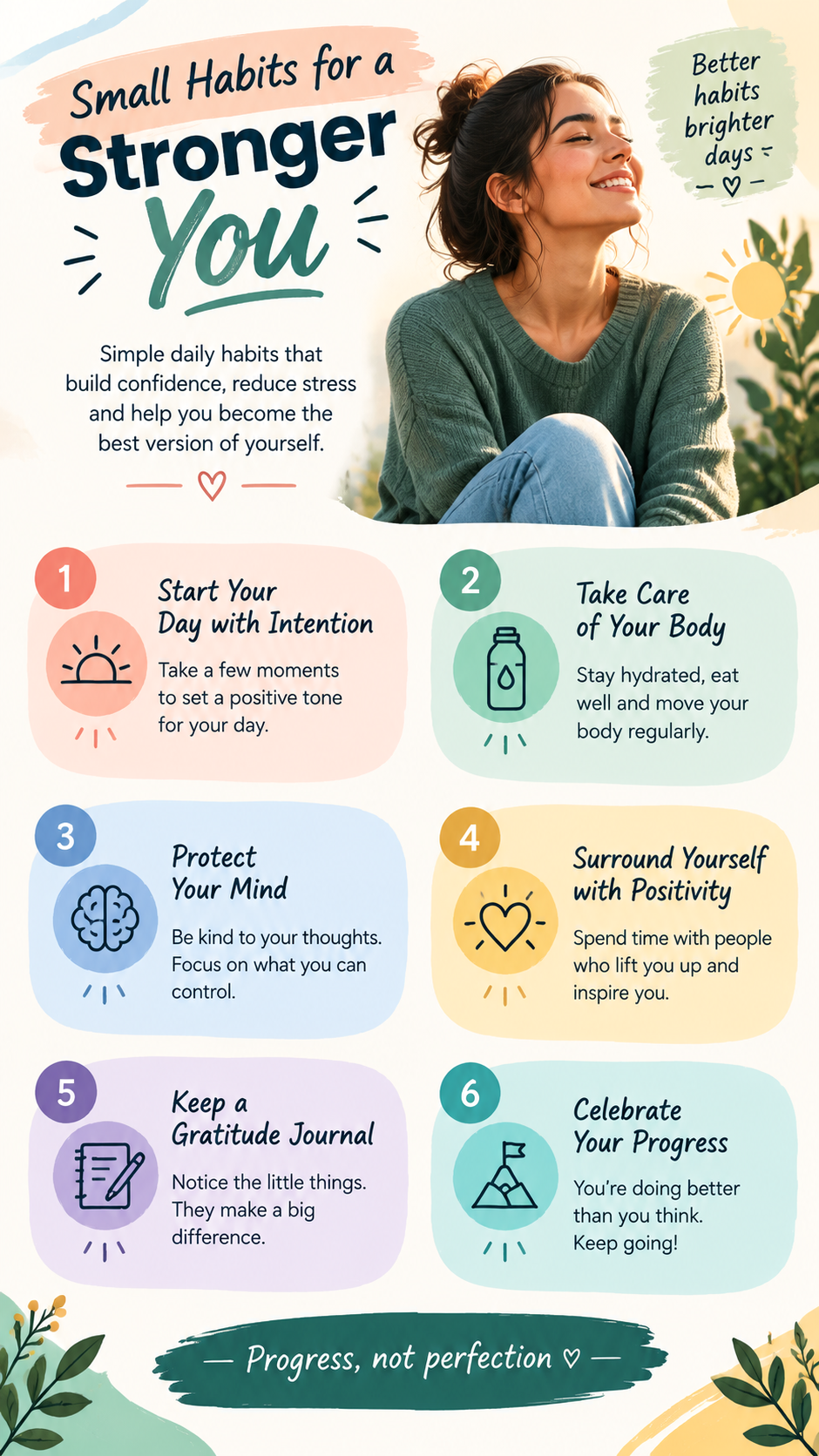
Daily Habits That Help You Stop Seeking Approval
You do not have to change every habit at once. A few small, consistent practices can help you become more aware of your needs and less dependent on other people’s reactions.
Morning: Set an Intention
Before checking messages or social media, take a moment to decide what matters to you that day. Choose one value to practice, such as patience, courage, honesty, or self-respect.
Remind yourself that you can control your actions and effort, but you cannot control every person’s opinion of you.
During the Day: Practice Independent Decisions
Choose one low-pressure decision to make without seeking unnecessary reassurance. You might decide what to wear, which activity to try, or how to spend your free time.
For important decisions, seeking advice can be useful. The goal is to gather information thoughtfully while remembering that the final choice belongs to you when it is yours to make.
Evening: Recognize Your Effort
Before bed, write down one thing you appreciate about yourself and one moment when you acted in alignment with your values. If something went wrong, identify a lesson without labeling yourself a failure.
These small reflections can help shift your attention from external judgment toward self-awareness and personal growth.
What to Do When You Still Need Validation
Even as you develop healthier self-esteem, you will probably continue to care about how others see you. That is normal. Humans need connection, and encouragement can make difficult experiences easier to manage.
The goal is not to eliminate every desire for reassurance. It is to recognize when reassurance is helpful and when you are using it to avoid uncertainty or difficult feelings.
Pause Before Asking for Reassurance
When you feel the urge to ask someone whether you did the right thing or whether they are upset with you, pause for a moment. Consider what you already know, what remains uncertain, and what you need to decide for yourself.
You can still ask for clarification when it is genuinely useful. For example, if a colleague gives you vague feedback, asking for specific information may help you improve. But if you are repeatedly asking someone to confirm that they like you, consider whether the underlying worry needs attention rather than another temporary answer.
Learn to Tolerate Discomfort
Not knowing exactly what someone thinks about you can feel uncomfortable. Instead of immediately trying to resolve that uncertainty, practice allowing it to exist for a little while.
Take a walk, breathe slowly, focus on a task, or write down the thoughts running through your mind. Remind yourself that discomfort is not proof that something is wrong.
If fear of rejection, persistent self-criticism, or approval-seeking habits significantly affect your relationships or daily life, speaking with a qualified mental health professional can also be helpful. You do not have to work through every pattern alone.
Quick Points: Building Self-Worth at a Glance
Your Self-Worth Checklist
- Know your values: Make decisions based on what matters to you.
- Stop unhealthy comparisons: Focus on your own progress and priorities.
- Practice self-compassion: Treat mistakes as opportunities to learn.
- Recognize your strengths: Acknowledge your effort and celebrate small wins.
- Set healthy boundaries: Protect your time, energy, and peace of mind.
- Choose supportive relationships: Spend time with people who respect your individuality.
- Trust your journey: Allow yourself to grow without demanding perfection.
Conclusion: Your Worth Is Not Up for Debate
Learning how to build self-worth without validation starts with a simple but powerful shift: you stop treating other people’s approval as the final measure of your value. You begin to understand that you can be imperfect and still deserve respect, make mistakes and still be capable, and experience rejection without becoming less worthy as a person.
Start by knowing your values, stepping away from unhealthy comparison, and practicing kindness toward yourself. Recognize your strengths, establish boundaries that support your well-being, and nurture relationships where you feel respected rather than pressured to prove yourself. Most importantly, give yourself permission to grow at your own pace.
You will not always feel confident. There may be moments when you question your decisions or wish someone would reassure you that you are doing enough. When those moments arrive, remember that confidence is not about never experiencing doubt. It is about learning to respond to doubt without allowing it to define you.
You do not need to impress everyone, meet every expectation, or earn your place in the world through constant achievement. Your opinions matter. Your needs matter. Your progress matters, even when nobody else sees it.
Your worth is not a gift from other people. It is something you can learn to recognize, respect, and nurture within yourself. Begin with one small choice today. Trust your judgment, honor a personal boundary, or acknowledge a strength you usually overlook. With patience and consistent practice, you can build a healthier relationship with yourself and create a life guided by self-respect rather than the constant pursuit of approval.
Tags
Self-Worth
Self-Love
Self-Confidence
Healthy Self-Esteem
Personal Growth
Healthy Boundaries
Stop Seeking Approval
Mindset and Self-Improvement