Stay True to Yourself Embrace Your Feelings, Self-Love Inner Peace
Staying true to yourself is one of the most meaningful steps toward building a happier, healthier, and more peaceful life. In a world where expectations, comparisons, and the pressure to appear strong can make it difficult to express what you genuinely feel, learning to honor your emotions is an act of self-love. You do not have to pretend everything is fine when it is not. You deserve to acknowledge your feelings, communicate honestly, and give yourself the space to heal. True inner peace begins when you stop fighting your emotions and start understanding what they are trying to tell you.
Emotional honesty is not about sharing everything with everyone or allowing every feeling to control your actions. It means recognizing your emotions without shame, expressing them in healthy ways, and treating yourself with compassion throughout the process. Whether you are navigating stress, disappointment, anxiety, or personal growth, small daily habits can help you reconnect with yourself and build more meaningful relationships.
Key Takeaways
- Emotional honesty helps you understand your needs and develop greater self-awareness.
- Suppressing feelings can make it harder to manage stress and communicate effectively.
- Journaling, talking to someone you trust, and creative activities provide healthy ways to express emotions.
- Self-compassion reminds you that difficult feelings are a normal part of being human.
- Healthy boundaries help you protect your emotional well-being without disconnecting from others.
- Inner peace grows through consistent self-care, honest communication, and acceptance.
Why Staying True to Yourself Matters
Being true to yourself means living in a way that reflects your values, feelings, needs, and personal boundaries. It involves recognizing who you are beneath the expectations of other people and giving yourself permission to be human. You can be strong and still feel overwhelmed. You can be grateful for your life and still experience sadness. You can love someone and still need space from them.
These experiences do not make you inconsistent or ungrateful. They reflect the complexity of human emotions. When you allow yourself to acknowledge different feelings without judging them, you develop a more balanced relationship with yourself.
Emotional Honesty Creates Self-Awareness
Recognizing your emotions helps you understand what is happening beneath the surface. Irritation might signal that you need rest or that a boundary has been crossed. Sadness may point toward a loss, disappointment, or unmet need. Anxiety can sometimes highlight uncertainty or a situation that feels difficult to manage.
Instead of immediately pushing these feelings away, pause and ask yourself what might be contributing to them. You do not need to find an instant solution. Simply naming an emotion can help you approach it with greater clarity.
Authenticity Builds Stronger Relationships
Healthy relationships depend on communication, trust, and mutual understanding. When you consistently hide your needs or agree with others to avoid conflict, people may struggle to understand what you truly want. Over time, this can create resentment, emotional distance, or a sense that you are performing a role rather than being yourself.
Honest communication creates opportunities for deeper connections. Expressing your thoughts respectfully allows others to understand your perspective, even when they do not agree with it. It also helps you recognize which relationships make room for mutual care and authenticity.
Important: Being true to yourself does not require sharing every private thought or feeling. You can be emotionally honest while maintaining privacy, choosing your audience carefully, and deciding when a conversation feels safe and appropriate.
What Happens When You Suppress Your Feelings?
Many people learn to hide their emotions because they want to avoid conflict, protect others, appear capable, or prevent themselves from feeling vulnerable. They might say, “I’m fine,” when they feel hurt, or insist that something does not matter when it has affected them deeply.
Occasionally choosing not to discuss a feeling can be a sensible decision. You might need time to process what happened or wait for a more appropriate moment. The challenge arises when avoiding emotions becomes your automatic response and you rarely give yourself permission to work through them.
1. Emotional Overload Can Build Gradually
Unexpressed feelings do not always disappear simply because you ignore them. You may continue thinking about an upsetting conversation, feel increasingly frustrated by small inconveniences, or find it difficult to relax after a stressful day.
When several concerns accumulate without being acknowledged, everyday challenges can begin to feel heavier. You might struggle to identify exactly what is wrong because different emotions have become tangled together.
Taking time to reflect on your experiences can help you recognize these patterns before they become overwhelming. A few minutes of journaling, a thoughtful conversation, or a quiet break can create space to understand what you are experiencing.
2. Stress May Affect Your Body
Emotional stress can influence how you feel physically. Some people notice muscle tension, headaches, tiredness, changes in sleep, or stomach discomfort during stressful periods. Others become restless or find it difficult to concentrate.
These symptoms can have many possible causes, so they should not automatically be attributed to suppressed emotions. However, noticing the connection between stressful experiences and your physical well-being can encourage you to pay attention to your needs.
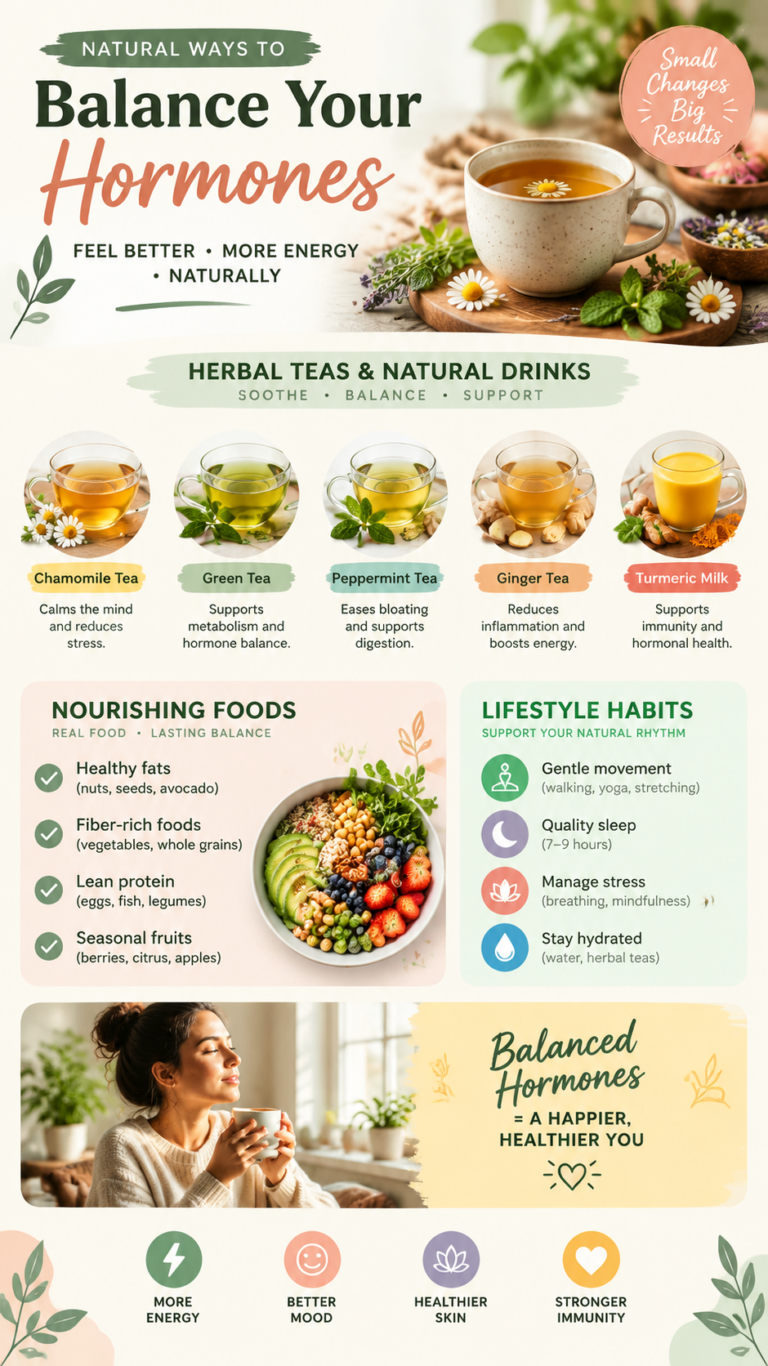
Regular rest, gentle movement, balanced meals, supportive relationships, and appropriate medical care can all contribute to overall well-being.
3. Unexpressed Feelings Can Affect Communication
When you repeatedly hide disappointment or frustration, you may find yourself withdrawing from others, responding defensively, or becoming upset about situations that seem minor. Sometimes, the immediate situation is only part of the story. Other unresolved concerns may also be contributing to your reaction.
Learning to express yourself earlier and more clearly can make difficult conversations easier to manage. Rather than waiting until frustration builds, explain what bothered you, how it affected you, and what would help in the future.
4. Constantly Pretending Can Disconnect You From Yourself
Always appearing happy, agreeable, or unaffected can become exhausting when those outward expressions do not match your inner experience. You may begin prioritizing other people’s comfort over your own needs, making decisions based on approval rather than personal values.
Over time, it can become harder to recognize what you genuinely want. You might say yes when you mean no, stay silent when something bothers you, or dismiss your own achievements because you are afraid of appearing proud.
Reconnecting with yourself begins with small, honest questions: What do I need today? What matters to me? Which choices reflect my values? These questions help you build a life that feels more authentic and personally meaningful.
Why This Matters
The goal is not to eliminate uncomfortable emotions. It is to develop healthier ways to understand and respond to them. Feelings can offer useful information, but they do not define your worth or dictate every decision you make.
Healthy Ways to Express Your Feelings
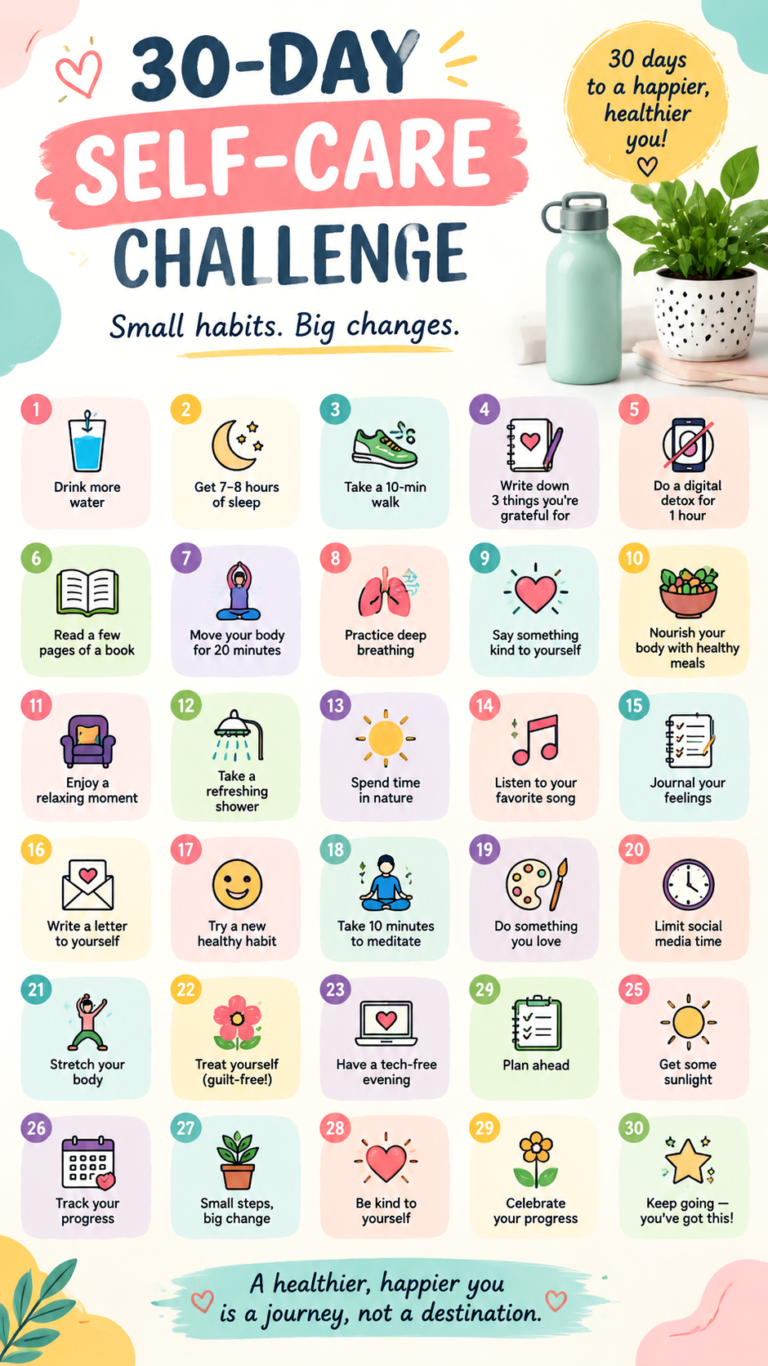
You do not need a dramatic life change to become more emotionally honest. Small habits can help you create a supportive routine that makes it easier to recognize emotions, process difficult experiences, and communicate what matters to you.
1. Write Your Feelings in a Journal
Journaling offers a private place to explore thoughts that may be difficult to express aloud. You can write about a frustrating experience, reflect on a meaningful moment, or simply describe how you feel without worrying about grammar or making everything sound positive.
Writing can help you notice recurring concerns and identify situations that affect your mood. It may also help you separate what happened from the assumptions you made about it.
Simple Journaling Prompts
- What emotion am I experiencing right now?
- What happened today that affected me most?
- What do I wish I could say without fear of judgment?
- What do I need more of in my life right now?
- What is one thing I can do to support myself today?
Start with five minutes a day if that feels manageable. Your journal does not need to be beautiful, organized, or consistent to be useful. The purpose is to create a little more room for honesty.
2. Talk to Someone You Trust
Sometimes, expressing your feelings becomes easier when another person listens without immediately offering advice. A trusted friend, family member, partner, or qualified professional can provide space to discuss experiences that feel difficult to carry alone.
Before beginning a conversation, consider what kind of support would help you most. Perhaps you want practical advice, reassurance, a different perspective, or simply someone who will listen.
You might say, “I’ve been feeling overwhelmed lately, and I need someone to talk to. Could you listen for a few minutes?” This simple request makes your needs clear without requiring you to explain everything at once.
Remember that trust develops over time. You are allowed to choose carefully whom you confide in and how much you share.
3. Practice Self-Compassion
Self-compassion means treating yourself with the patience and understanding you would offer someone you care about. Instead of criticizing yourself for feeling sad, angry, or anxious, acknowledge that you are going through something difficult.
Try replacing harsh inner statements with more supportive language. Instead of saying, “I should be over this by now,” consider, “Healing takes time, and I can take one step at a time.” Rather than telling yourself that you are too sensitive, remind yourself that your feelings deserve attention.
Self-compassion does not mean avoiding responsibility. You can acknowledge that a reaction was unhelpful, apologize when necessary, and learn from your mistakes without treating yourself as a failure.
4. Express Yourself Through Creativity
Not every emotion is easy to explain with words. Creative activities can provide another way to explore and communicate what you are experiencing. Drawing, painting, singing, playing music, crafting, photography, or writing poetry can become meaningful outlets for self-expression.
You do not need artistic talent or a finished product. The value comes from giving yourself permission to experiment and create without judging the result.
If you feel frustrated, you might choose bold colors or energetic music. If you need calm, you might prefer sketching, gentle melodies, or a simple creative project. Let the activity support your needs rather than become another task you must perform perfectly.
5. Take a Moment to Pause and Breathe
When emotions become intense, a short pause can help you respond more thoughtfully. Find a comfortable position, relax your shoulders, and breathe gently. Notice the sensations around you, such as your feet touching the floor or the feeling of air moving in and out.
You can also name what you are experiencing: “I feel angry,” “I feel disappointed,” or “I feel uncertain.” Naming an emotion is not the same as judging it. It simply helps you acknowledge what is happening in the present moment.
If focusing on your breathing feels uncomfortable, try another grounding activity. Notice five things you can see, listen for sounds around you, or hold a familiar object and pay attention to its texture.
These practices may help you create a little space between an emotional reaction and your next action. They are not a way to force feelings to disappear, and they do not need to work perfectly every time.
6. Set Healthy Emotional Boundaries
Being kind does not mean being available to everyone at every moment. Healthy boundaries help you protect your time, energy, and emotional well-being while respecting the needs of others.
You might need to limit conversations that leave you feeling drained, decline a request when you are already overwhelmed, or ask for time to think before making a decision. You can communicate these boundaries without blaming or attacking anyone.
Simple Phrases for Setting Boundaries
- “I need some time to think before I answer.”
- “I understand your perspective, but I see things differently.”
- “I cannot take that on right now.”
- “I want to discuss this, but I need us to speak respectfully.”
- “I care about you, and I also need some time for myself.”
It may feel uncomfortable to establish boundaries if you are accustomed to pleasing others. Start with small, reasonable requests and remind yourself that respectful limits can support healthier relationships.
How to Recognize and Manage Emotional Overload
Emotional overload can happen when you feel you have more stress, responsibilities, or difficult experiences to process than you can comfortably manage. It may show up as irritability, tearfulness, difficulty concentrating, withdrawal, or feeling unusually sensitive to everyday challenges.
There is no single sign that applies to everyone. The important thing is to notice changes in your own thoughts, behavior, and physical well-being.
Notice Your Early Warning Signs
Pay attention to what happens when your stress begins to increase. Do you become quieter than usual? Do you stop making time for activities you enjoy? Do you find yourself replaying conversations or feeling frustrated by small inconveniences?
Recognizing these patterns can help you respond before you feel completely overwhelmed. You might take a break, reduce unnecessary commitments, speak with someone supportive, or spend time identifying what is troubling you.
Give Yourself Permission to Feel
You do not have to justify every emotion before allowing yourself to experience it. Sometimes, you might feel sad without knowing exactly why. You might feel disappointed even when you understand another person’s decision. You might need time to process a change that other people consider positive.
Try acknowledging the feeling without immediately trying to correct it. You can tell yourself, “This is difficult right now, and I can give myself time to understand it.”
Acceptance does not mean that you approve of a painful situation or intend to remain in it. It means recognizing your present experience so you can decide how to respond.
Know When to Seek Additional Support
Self-care practices can be helpful, but they are not a substitute for professional support when emotional difficulties become persistent, intense, or disruptive. If anxiety, low mood, anger, or stress interferes with sleep, relationships, work, or everyday activities, consider speaking with a qualified mental health professional or healthcare provider.
You do not need to wait until you reach a breaking point to ask for help. Support can help you understand emotional patterns, develop practical coping strategies, and work through difficult experiences in a safe setting.
Building Inner Peace Through Daily Self-Care
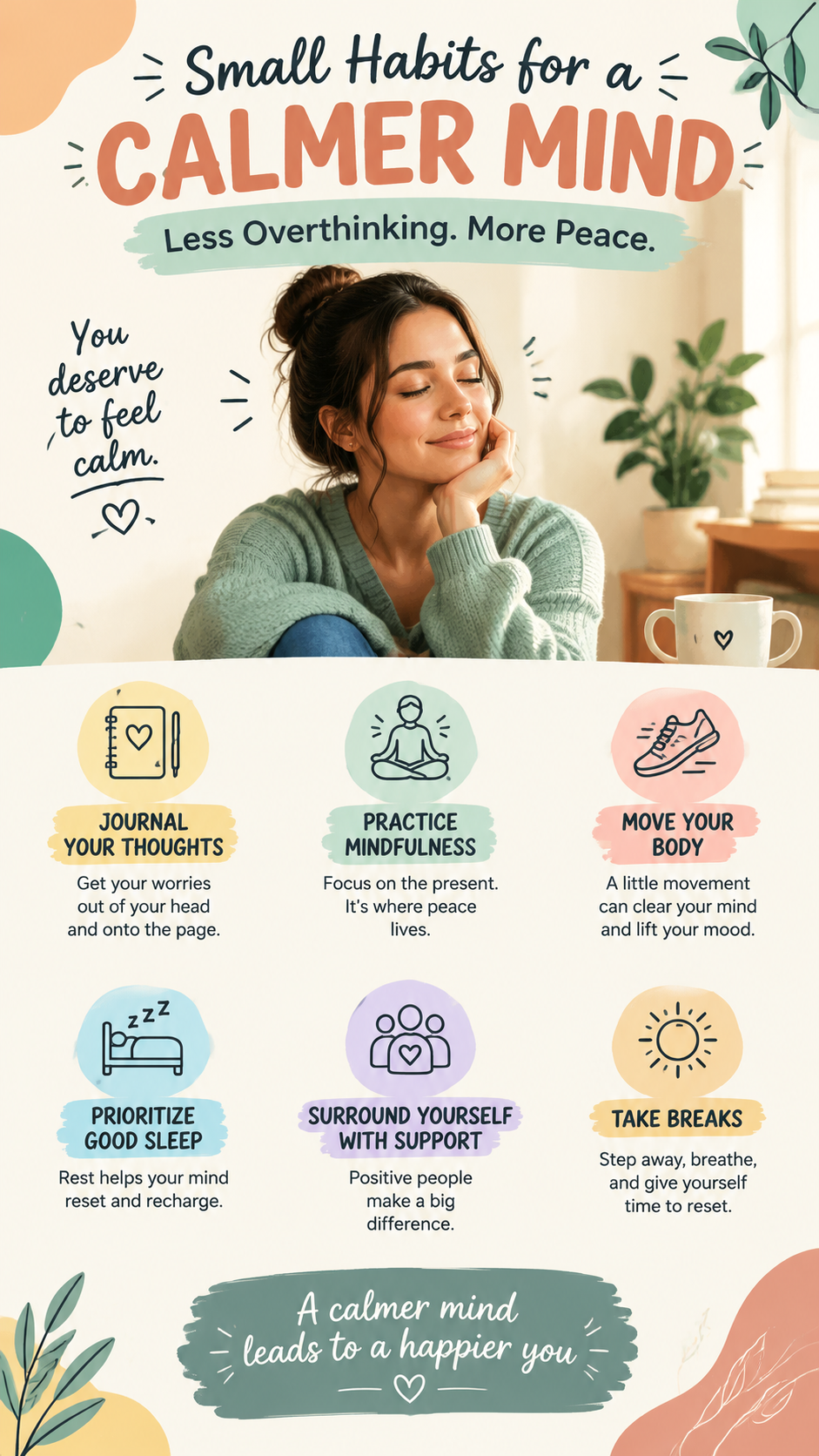
Inner peace is not a permanent state in which nothing bothers you. It is the ability to return to yourself during difficult moments, respond with greater awareness, and make choices that support your well-being.
Rather than waiting for life to become perfectly calm, focus on small habits that help you feel more grounded in the life you have now.
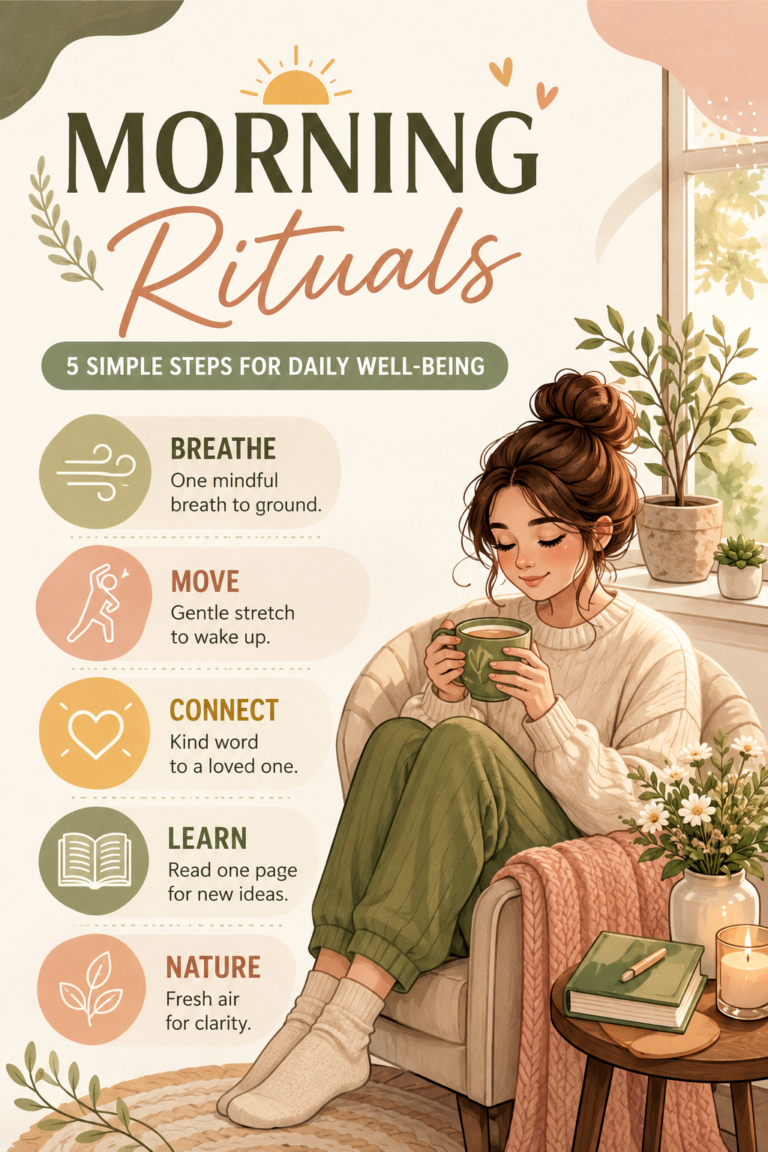
Create a Gentle Morning Routine
How you begin your day can influence how you approach its challenges. You do not need an elaborate routine to feel more intentional. Give yourself a few minutes to stretch, drink water, enjoy a quiet moment, or identify one thing you want to prioritize.
You might ask yourself, “What would help me feel supported today?” The answer could be a proper lunch break, a difficult conversation, time outdoors, or permission to complete fewer tasks.
Reduce Comparison and Outside Pressure
Constant comparison can make it difficult to appreciate your own progress. Social media often presents carefully selected moments from other people’s lives, which can create unrealistic expectations about happiness, appearance, success, and relationships.
When comparison leaves you feeling inadequate, consider taking a break from certain accounts or choosing content that encourages healthy growth rather than perfection. Focus on what matters to you instead of measuring your life against someone else’s timeline.
Your personal growth does not have to look impressive to other people to be meaningful. Learning to communicate honestly, resting when you need to, or choosing a healthier boundary can be significant progress.
Make Space for Rest and Enjoyment
Rest is part of taking care of yourself, not something you must earn by becoming exhausted. Make room for activities that bring comfort or enjoyment, whether that means reading, cooking, walking, listening to music, spending time with loved ones, or simply sitting quietly with a warm drink.
When possible, protect your sleep routine and give yourself breaks between demanding tasks. Small moments of restoration can help you approach responsibilities with greater patience and energy.
Celebrate Progress Instead of Perfection
Personal growth rarely happens in a straight line. You might communicate a boundary confidently one day and struggle to express yourself the next. You might feel peaceful for a week and then encounter a situation that brings old worries back to the surface.
These moments do not erase your progress. They offer opportunities to learn more about yourself and practice new responses. Instead of asking whether you handled everything perfectly, consider what you learned and what you might try differently next time.
Remember: You are allowed to grow at your own pace. You can acknowledge your mistakes without defining yourself by them, change your mind when you learn something new, and take a break without feeling that you have failed.
How to Stay True to Yourself in Relationships
Relationships can bring comfort, joy, and a sense of belonging, but they can also challenge your ability to express yourself honestly. You might fear disappointing someone, starting an argument, or being misunderstood. Learning to stay true to yourself means finding ways to communicate with both honesty and care.
Express Your Needs Clearly
People cannot always know what you need unless you tell them. Instead of hoping someone will recognize that you feel overwhelmed, explain what would help. Use clear, respectful statements that focus on your experience rather than assigning blame.
For example, you might say, “I’ve had a difficult week, and I would appreciate some quiet time tonight.” This communicates your need without suggesting that the other person has done something wrong.
Accept That Disagreement Is Normal
Being authentic does not mean that everyone will agree with you. Different people have different experiences, values, and expectations. You can listen to another perspective without abandoning your own, and you can disagree without becoming disrespectful.
Healthy communication makes room for both people to express themselves. If a conversation becomes heated, it is reasonable to pause and return to it when you are both better able to listen.
Choose Relationships That Respect Your Authenticity
Pay attention to how people respond when you express a need, admit a mistake, or share a different opinion. Healthy relationships allow room for vulnerability, boundaries, and mutual respect, even when disagreements occur.
No relationship is perfect, and people sometimes misunderstand each other. What matters is whether both individuals are willing to communicate, take responsibility, and work toward a respectful connection.
You deserve relationships in which you do not have to hide every difficult feeling to remain accepted. At the same time, you can build stronger connections by listening to others with the same patience and consideration you hope to receive.
A Simple Daily Practice for Emotional Well-Being
If you want to start living more authentically, try a simple daily routine that combines emotional awareness, self-expression, and reflection. Keep it flexible so it supports your life rather than becoming another source of pressure.
- Check in with yourself. Take a moment to identify how you feel without judging the answer.
- Name one need. Decide whether you need rest, connection, movement, clarity, or personal space.
- Express something honestly. Write a few sentences, talk to someone supportive, or communicate a small boundary.
- Make time for one restorative activity. Choose something simple that helps you feel grounded or connected to yourself.
- Reflect before bed. Consider what went well, what felt difficult, and what you want to approach differently tomorrow.
You can complete these steps in a few minutes or spend longer on the ones that feel helpful. If a particular practice increases your distress, adjust it or try a different approach. There is no single routine that works for everyone.
Quick Points: Your Reminder for Inner Peace
- Feel your emotions without judging yourself for having them.
- Write, talk, create, or pause when you need a healthy outlet.
- Set boundaries that respect your needs and the needs of others.
- Choose progress over perfection and allow yourself time to grow.
- Ask for support when difficult feelings become hard to manage alone.
Conclusion: Keep Choosing Yourself and Your Peace
Staying true to yourself begins with the simple decision to stop treating your feelings as something you must hide. You are allowed to experience sadness, uncertainty, frustration, joy, and hope without questioning your worth. Your emotions are part of your experience, not a measure of whether you are strong enough or good enough.
Make room for emotional honesty in small, practical ways. Write down what is on your mind, speak with someone you trust, explore creative activities, and give yourself permission to rest. Practice setting boundaries that protect your well-being, and remember that being kind to others does not require abandoning yourself.
There will be days when expressing your feelings feels easy and days when it feels difficult. What matters is continuing to approach yourself with patience and curiosity. You do not have to solve every problem today or have all the answers before you begin healing.
Feel it. Express it. Learn from it. Give yourself time to heal. Inner peace does not come from pretending that everything is perfect. It grows when you learn to meet yourself with honesty, compassion, and respect, even when life feels complicated.
Let this be your reminder that it is okay not to be okay. You can acknowledge what hurts, celebrate what brings you joy, and keep moving toward a life that reflects who you truly are. Release what you can, reflect on what you learn, reset when you need to, and keep choosing peace one day at a time.
Tags
Self-Love
Emotional Healing
Inner Peace
Emotional Wellness
Self-Awareness
Healthy Boundaries
Personal Growth
Positive Mindset