Uterus Health Menstrual Wellness Herbal Teas, Foods Natural Self-Care
Women’s wellness begins with understanding your body and giving it the everyday care it deserves. From soothing herbal teas and nourishing foods to gentle movement and relaxation, simple habits can help support menstrual comfort, digestion, and overall well-being. Traditional wellness practices have long emphasized the connection between nutrition, rest, stress management, and reproductive health.
However, the idea of a “uterus cleanse” needs an important clarification. The uterus does not need special teas, detox products, or cleansing rituals to remove toxins. The reproductive system has natural processes that maintain its health. Instead of trying to cleanse the uterus, focus on evidence-informed habits that support your body, help you manage menstrual discomfort, and encourage a balanced lifestyle.
Key Takeaways
- The uterus is naturally self-cleaning, and vaginal detox products are unnecessary.
- Balanced meals containing vegetables, fruits, whole grains, healthy fats, and protein support general health.
- Warm drinks and heat therapy may provide comfort during menstrual cramps.
- Gentle movement, relaxation, and adequate sleep can contribute to overall well-being.
- Herbal remedies may have side effects or interact with medications, so choose them carefully.
- Persistent pelvic pain, unusually heavy bleeding, or unusual vaginal discharge deserves medical attention.
What Does Uterus Health Really Mean?
Uterus health is an important part of reproductive health. The uterus is a muscular organ that plays a central role in menstruation and pregnancy. Throughout the menstrual cycle, its lining changes in response to hormonal signals. If pregnancy does not occur, this lining is shed during menstruation.
These processes are natural parts of reproductive function. The uterus does not collect waste that needs to be flushed out with special drinks or cleansing treatments. The vagina also has its own natural mechanisms for maintaining a healthy environment, including normal secretions and a balance of microorganisms.
When people search for a natural uterus cleanse, they are often looking for ways to feel more comfortable during their period, support hormonal health, improve digestion, or reconnect with traditional self-care practices. These are understandable goals, and many can be approached through practical, everyday habits.
Important: Supporting reproductive wellness is not the same as detoxifying the uterus. A balanced diet, regular physical activity, adequate sleep, and appropriate medical care are more useful foundations than products marketed as uterine cleanses.
Why the Body Does Not Need a Uterus Detox
The body already has systems that process and eliminate waste, particularly the liver, kidneys, digestive tract, and lungs. Menstruation is part of the reproductive cycle, not a process for removing unspecified toxins.
Products that promise to clean the uterus, flush out old blood, or restore fertility through detoxification often make claims that have not been established by good scientific evidence. Vaginal steaming, douching, and inserting herbs or cleansing products can irritate delicate tissues and may increase the risk of infection or injury.
A better approach is to understand what your body needs, recognize changes in your menstrual cycle, and seek professional advice when symptoms are unusual or concerning.
Herbal Teas and Warm Drinks for Women’s Wellness
Warm drinks are a familiar part of many traditional wellness routines. They can provide hydration, warmth, and a calming moment during a busy day. Certain ingredients are also studied for specific effects, although evidence varies considerably from one herb to another.
Herbal tea can be a pleasant addition to your routine, but no tea has been proven to cleanse the uterus or reliably balance every reproductive hormone. Think of these drinks as optional comfort measures rather than treatments for underlying health conditions.
1. Ginger Tea for Warmth and Digestive Comfort
Ginger tea is made by steeping fresh ginger slices or suitable dried ginger in hot water. Its warm, spicy flavor makes it a popular choice during colder weather or when you want a soothing drink.
Ginger has been studied for nausea and menstrual pain, with some research suggesting potential benefits for period cramps. However, results vary, and ginger tea should not be considered a guaranteed treatment for menstrual discomfort.
How to Enjoy Ginger Tea
- Slice a small piece of fresh ginger and add it to hot water.
- Allow it to steep before drinking.
- Add lemon for flavor if you enjoy it.
- Start with a mild preparation if ginger tends to upset your stomach.
Ginger can cause heartburn or stomach discomfort in some people. If you take medication that affects blood clotting or have a medical condition requiring dietary precautions, ask a healthcare professional whether concentrated ginger products are appropriate.
2. Cinnamon Tea as a Comforting Daily Drink
Cinnamon tea has a naturally sweet, warming flavor that makes it an appealing alternative to heavily sweetened beverages. It can be prepared by steeping a cinnamon stick in hot water and allowing the flavor to develop.
Cinnamon is sometimes promoted online as a remedy for menstrual problems or hormone imbalance. Research into its possible metabolic and reproductive effects remains limited, and it should not replace medical evaluation or prescribed treatment.
Enjoy cinnamon tea for its flavor rather than expecting it to cleanse the reproductive system. If you drink it regularly, be mindful of the type of cinnamon used. Cassia cinnamon contains more coumarin than Ceylon cinnamon, and high or prolonged intake of coumarin may be harmful to the liver in susceptible individuals.
3. Fennel Tea for Occasional Digestive Discomfort
Fennel seeds have a mild, aromatic flavor and are traditionally used after meals. Some people enjoy fennel tea when they experience occasional bloating or digestive discomfort.
Although fennel has a long history of traditional use, evidence supporting its effects on digestive symptoms and menstrual pain is still limited. It is not a proven treatment for uterine conditions or hormonal disorders.
People with allergies to plants in the carrot family should be cautious, and anyone who is pregnant, breastfeeding, or taking medication should discuss regular medicinal use of fennel with a healthcare professional.
4. Turmeric Milk for a Cozy Evening Routine
Turmeric milk combines milk or a suitable fortified plant-based alternative with turmeric. Some preparations include cinnamon or ginger for extra flavor. It can be a comforting evening drink, particularly when paired with a quiet bedtime routine.
Turmeric contains curcumin, a compound studied for its anti-inflammatory properties. However, the effects of concentrated curcumin supplements cannot automatically be applied to a cup of turmeric milk. Drinking it does not cleanse the uterus, and evidence that it treats menstrual disorders is not conclusive.
Use ordinary culinary amounts and avoid assuming that larger quantities offer greater benefits. Concentrated turmeric supplements may interact with medication and have been associated with adverse effects, including liver injury in some cases.
5. Raspberry Leaf Tea and Menstrual Wellness
Red raspberry leaf tea is traditionally associated with reproductive health, particularly pregnancy and childbirth. It is sometimes included in women’s wellness routines because of this history.
However, traditional use does not establish that raspberry leaf tea regulates periods, balances hormones, improves fertility, or treats uterine conditions. Research is limited, and its safety during pregnancy is not sufficiently established for everyone.
If you are pregnant, trying to conceive, breastfeeding, or taking medication, consult a qualified healthcare professional before using raspberry leaf medicinally. You can also choose plain water or another familiar caffeine-free drink if your goal is simply to stay hydrated.
Nourishing Foods That Support Women’s Health
Nutrition is one of the most practical ways to support general health throughout the menstrual cycle. The body needs energy, protein, essential fats, vitamins, minerals, and fiber to maintain normal functions, including the production of blood cells and the regulation of many physiological processes.
There is no single food that cleanses the uterus. Instead, build meals around a variety of nutrient-rich ingredients and adjust your choices to your preferences, budget, cultural traditions, and individual health needs.
Iron-Rich Foods for Menstrual Health
Menstruation involves blood loss, so iron deserves attention, particularly for people who have heavy periods. Iron helps the body make hemoglobin, the protein in red blood cells that carries oxygen.
Good sources include lean meat, poultry, seafood, beans, lentils, tofu, fortified cereals, and leafy green vegetables. Dried fruits such as dates can contribute some iron, although they should not be treated as a primary solution for iron deficiency.
Pairing plant-based iron sources with vitamin C-rich foods, such as oranges, strawberries, tomatoes, or bell peppers, can improve iron absorption. If you experience persistent fatigue, weakness, dizziness, or shortness of breath, particularly alongside heavy periods, ask a healthcare professional whether testing for anemia or iron deficiency is appropriate.
Iron supplements are not necessary for everyone and may cause side effects. It is best to use them when indicated by a healthcare professional rather than taking them simply because you menstruate.
Healthy Fats for Everyday Nourishment
Healthy fats are an important part of a balanced diet. They provide energy, help the body absorb fat-soluble vitamins, and supply essential fatty acids.
Include foods such as walnuts, almonds, seeds, olive oil, avocado, and oily fish when available. These foods also offer different combinations of protein, fiber, vitamins, and minerals.
Rather than following a restrictive diet intended to eliminate certain foods or supposedly detoxify hormones, aim for variety and consistency. A sustainable eating pattern is usually more helpful than short-term cleansing plans.
Fiber-Rich Meals for Digestive Comfort
Fiber supports regular bowel movements and helps maintain digestive health. Constipation and bloating can sometimes feel more noticeable around menstruation, so regular meals containing fiber may be helpful.
Try incorporating oats, whole grains, lentils, chickpeas, beans, vegetables, fruits, nuts, and seeds into your meals. Increase fiber gradually and drink enough fluids to help your digestive system adjust.
Remember that digestive discomfort can have many causes. Severe, persistent, or recurring bloating and pelvic pain should not automatically be attributed to menstruation or managed only through dietary changes.
Hydration and Seasonal Fruits
Water supports circulation, digestion, temperature regulation, and many other bodily functions. Drinking regularly throughout the day is a simple habit that can help you feel better, especially during hot weather or physical activity.
There is no need to force excessive amounts of water or follow a special detox schedule. Let thirst, activity level, climate, and individual medical advice guide your fluid intake.
Seasonal fruits such as oranges, apples, berries, melons, and dates can add variety, fiber, and important nutrients to your meals. Choose whole fruit frequently and combine it with other foods to create satisfying, balanced meals.
Seeds of Women’s Wellness: Flax, Sesame, Pumpkin, and Sunflower
Seeds are small, versatile ingredients that provide a range of nutrients. They can be sprinkled over oatmeal, mixed into yogurt, added to salads, or blended into smoothies. Their nutritional value makes them a useful addition to a balanced eating pattern.
Flaxseeds: Fiber and Plant-Based Omega-3s
Flaxseeds contain fiber, alpha-linolenic acid, a plant-based omega-3 fatty acid, and lignans, which are naturally occurring plant compounds. Ground flaxseed is often easier to digest than whole seeds because grinding makes its nutrients more accessible.
Add a small serving of ground flaxseed to porridge, yogurt, or a smoothie. Increase your intake gradually and drink sufficient fluids because the fiber content may affect bowel movements.
Flaxseeds are nutritious, but they have not been shown to cleanse the uterus or reliably correct hormonal imbalances. Treat them as part of a varied diet rather than a stand-alone remedy.
Sesame Seeds: Minerals and Healthy Fats
Sesame seeds contain healthy fats, protein, and minerals such as calcium and iron. Their slightly nutty flavor works well in salads, grain bowls, sauces, and homemade dressings.
Tahini, a paste made from sesame seeds, is another practical way to incorporate them into meals. Sesame can contribute to overall nutritional variety, although its exact nutrient contribution depends on portion size and the rest of your diet.
Anyone with a sesame allergy should avoid sesame seeds and products made from them.
Pumpkin Seeds: Zinc, Magnesium, and Protein
Pumpkin seeds provide protein, unsaturated fats, magnesium, zinc, and other nutrients. They can be enjoyed as a snack or added to salads, soups, oatmeal, and vegetable dishes.
Magnesium contributes to normal muscle and nerve function, while zinc plays a role in immune function and many other biological processes. These nutrients are important for health, but eating pumpkin seeds does not guarantee relief from menstrual cramps or improve fertility on its own.
Sunflower Seeds: Vitamin E and Everyday Nutrition
Sunflower seeds contain vitamin E, unsaturated fats, and other nutrients. Sprinkle them over salads or add a small portion to a homemade snack mix.
Vitamin E helps protect cells from oxidative damage and supports normal bodily functions. Sunflower seeds can contribute to meeting nutritional needs, but high-dose vitamin E supplements should not be used to treat menstrual symptoms without medical guidance.
Why This Matters
Women’s wellness is supported by consistent habits rather than a single cleansing ingredient.
- Combine different protein sources, whole grains, fruits, and vegetables.
- Use seeds and nuts to add variety, healthy fats, and minerals to meals.
- Choose herbal drinks for enjoyment and comfort, not as substitutes for medical treatment.
Traditional Self-Care Rituals for Menstrual Comfort
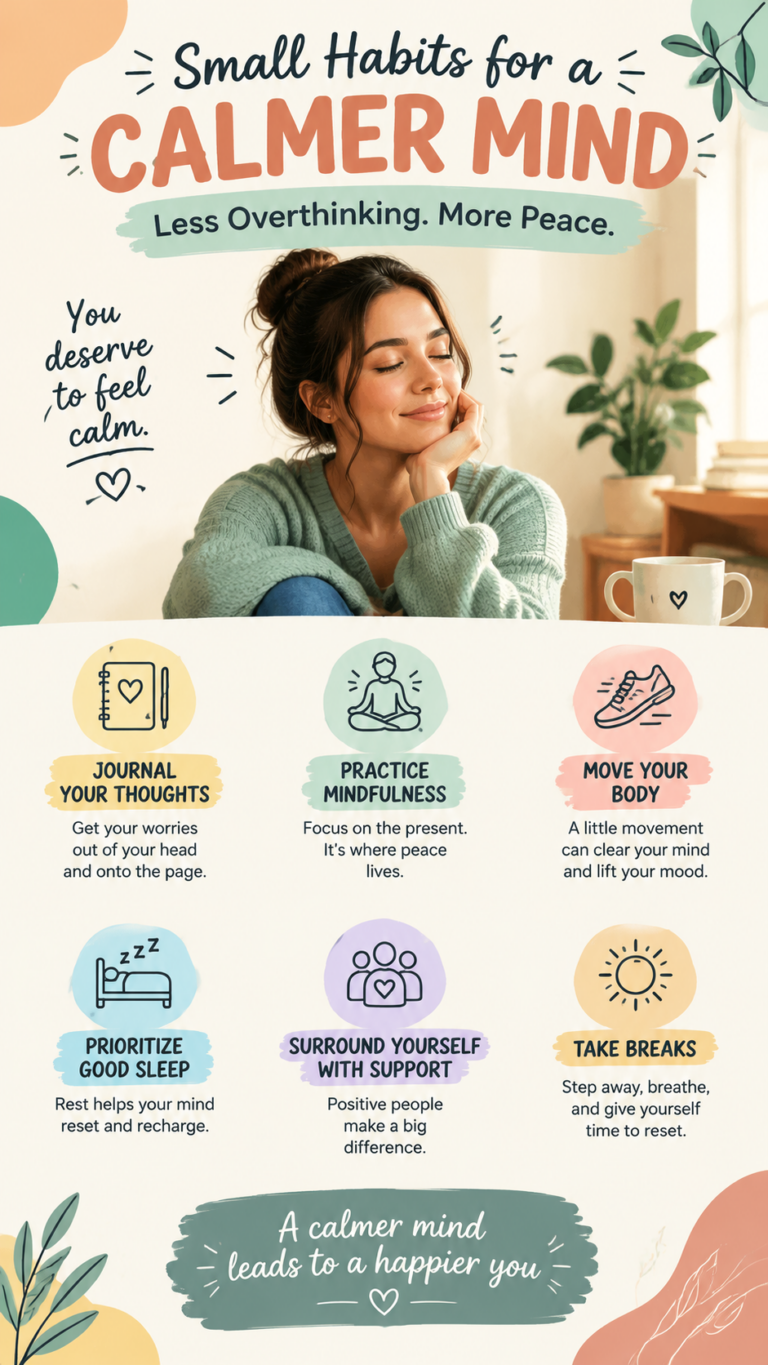
Small self-care habits can make menstruation feel more manageable. A warm compress, gentle stretching, a calming drink, and a little extra rest can help you create a routine that feels supportive without relying on unnecessary detox products.
These approaches are intended to support comfort and relaxation. They do not cleanse the uterus or treat every possible cause of pelvic pain.
Warm Compresses and Heat Therapy
Heat is a practical option for menstrual cramps. A heating pad or warm-water bottle placed over the lower abdomen may relax muscles and reduce the sensation of cramping.
For safer use, wrap a hot-water bottle in a towel or use a heating pad according to the manufacturer’s instructions. Keep the temperature comfortable, avoid direct contact with very hot surfaces, and do not fall asleep with a heating device that is not designed for overnight use.
Some people prefer a warm bath or shower. Choose whichever option feels comfortable and fits your routine.
Safety tip: Heat should feel warm, not painfully hot. If pelvic pain is severe, sudden, persistent, or different from your usual cramps, do not rely on a compress alone. Seek medical advice to identify the cause.
Gentle Movement, Walking, and Stretching
Movement can support general cardiovascular health, mood, sleep, and physical comfort. Some people find that gentle activity helps them feel less tense during menstruation.
You do not need an intense workout to benefit from movement. Consider a relaxed walk, a few gentle stretches, or a short yoga session. Adjust the intensity to your energy level and stop if an activity makes your symptoms worse.
Yoga and stretching may help you relax and notice areas of tension. They should not be presented as methods for repositioning the uterus, removing toxins, or treating reproductive conditions.
Deep Breathing and Stress Management
Stress can influence sleep, appetite, mood, and how people experience pain. Although stress management cannot eliminate every menstrual symptom, making time to relax can be a useful part of an overall wellness plan.
Try breathing slowly and comfortably for several minutes. Sit in a supportive position, loosen your shoulders, and allow your breathing to settle without forcing deep breaths.
Other relaxing activities include reading, listening to quiet music, spending time outdoors, journaling, or talking with someone you trust. The best routine is one that feels realistic and enjoyable rather than another obligation on your schedule.
Rest, Sleep, and a Calming Evening Routine
Sleep supports physical recovery, concentration, emotional regulation, and general health. Menstrual symptoms can sometimes disrupt sleep, making a comfortable evening routine especially valuable.
Try keeping a reasonably consistent bedtime, reducing stimulating activities before sleep, and making your bedroom comfortable. A warm caffeine-free drink, gentle stretching, or a few minutes of quiet breathing may help you wind down.
If pain repeatedly wakes you, or bleeding and other symptoms interfere significantly with daily life, discuss these concerns with a healthcare professional. You do not have to accept disabling menstrual symptoms as an inevitable part of being a woman.
How to Build a Simple Daily Women’s Wellness Routine
A practical routine does not need expensive products, complicated recipes, or a strict schedule. Start with a few manageable habits and adjust them to your lifestyle, menstrual symptoms, and nutritional needs.
Morning: Hydration and Gentle Movement
Begin your day with a glass of water. If you enjoy warm water with ginger or lemon, it can be a pleasant alternative, but there is no special cleansing effect associated with drinking it in the morning.
Eat a balanced breakfast if it suits your appetite and schedule. Options include oatmeal with fruit and ground flaxseed, eggs with whole-grain toast, or yogurt with nuts and berries. A few minutes of stretching or a short walk can also help you ease into the day.
Afternoon: Balanced Meals and Regular Fluids
Build lunch around a combination of vegetables, protein, and a carbohydrate source. A bowl containing chickpeas or lentils, leafy greens, whole grains, and olive oil is one example. Other options include fish with vegetables and rice, or beans with roasted vegetables and whole-grain bread.
Keep water available throughout the day, especially during warm weather or exercise. Fruit, yogurt, nuts, or seeds can make convenient snacks when you are hungry between meals.
A balanced meal does not need to look perfect. Focus on including a variety of foods over time rather than trying to meet every nutritional goal with a single plate.
Evening: Relaxation and Menstrual Comfort
Use the evening to slow down. If you enjoy herbal tea, choose an ingredient that is appropriate for your circumstances and avoid herbs that may interact with your medication.
Try gentle stretching, a warm compress if you have cramps, or a calming activity before bed. Aim for adequate sleep and give yourself permission to adjust your plans when you feel tired or uncomfortable.
During menstruation, pay attention to your symptoms rather than following a rigid routine. You may feel comfortable exercising on one day and prefer more rest on another. Both responses can be reasonable.
What to Avoid When Supporting Uterus Health
Natural wellness advice is not always harmless. Products marketed as traditional or plant-based can still cause irritation, trigger allergies, interact with medication, or delay the diagnosis of a health problem.
Avoid Vaginal Detox Products and Harsh Cleanses
Vaginal detox kits, douches, inserted herbal preparations, and products claiming to remove old blood or toxins are unnecessary. They can disrupt the normal vaginal environment and may cause irritation or other complications.
For routine external hygiene, wash the vulva gently with water and, if desired, a mild unscented cleanser that does not cause irritation. The vagina itself does not need internal washing. Avoid placing soap, essential oils, herbs, or other cleansing substances inside it.
Be Careful With Vaginal Steaming
Vaginal steaming involves sitting over hot water or herbal infusions. There is no reliable evidence that it cleanses the uterus, improves fertility, or balances reproductive hormones. Steam and hot water may burn sensitive genital tissues.
Warm baths may be enjoyable for relaxation, but they should not be confused with vaginal steaming or internal cleansing. If you want warmth for menstrual cramps, a comfortably warm compress applied externally is a more practical option.
Avoid Unverified Herbal Mixtures
Herbal ingredients can vary in strength, quality, and purity. Some may interact with prescription medication or be unsuitable during pregnancy, breastfeeding, or certain medical conditions.
Be cautious of mixtures advertised as fertility boosters, period regulators, or powerful uterine cleansers, especially when the ingredient list is unclear. Do not stop prescribed medication or replace recommended treatment with a herbal product without discussing it with your healthcare professional.
When to Seek Medical Advice
Every menstrual cycle is different, and mild discomfort can occur. However, some symptoms deserve professional assessment rather than treatment with tea, food, or self-care alone.
- Severe, sudden, or persistent pelvic pain.
- Bleeding that is unusually heavy, prolonged, or different from your normal pattern.
- Bleeding between periods or after sexual activity.
- Unusual vaginal discharge, especially when accompanied by an unpleasant odor, itching, fever, or pain.
- Missed periods or major changes in your cycle that are not explained by a known cause.
- Persistent difficulty conceiving or concerns about fertility.
- Marked fatigue, dizziness, or weakness that may be associated with heavy menstrual bleeding.
Seek urgent medical care for severe pelvic pain, particularly if it occurs with fainting, fever, heavy bleeding, or possible pregnancy. These symptoms can sometimes indicate a condition that needs prompt treatment.
Keeping a simple menstrual diary can help you identify patterns. Record the start and end dates of your period, the intensity of bleeding, pain levels, and any symptoms that affect your daily activities. This information may help a healthcare professional assess changes in your cycle.
At a Glance: Everyday Habits for Women’s Wellness
- Eat well: Choose varied meals with vegetables, fruit, protein, whole grains, and healthy fats.
- Stay hydrated: Drink water regularly and adjust your intake to your needs.
- Find comfort: Try gentle movement, rest, or safe external heat for menstrual cramps.
- Use herbs carefully: Traditional use does not guarantee safety or effectiveness.
- Protect vaginal health: Avoid douching, vaginal detox products, and internal cleansing treatments.
Conclusion: Choose Gentle, Evidence-Informed Women’s Self-Care
Supporting uterus health does not require a special cleanse or a complicated wellness plan. The most useful habits are often the simplest: eating balanced meals, drinking enough water, getting adequate sleep, moving regularly, and finding ways to manage stress.
Herbal teas such as ginger, cinnamon, fennel, and raspberry leaf can be part of a personal wellness routine when they are appropriate for your health circumstances. Foods such as leafy greens, lentils, nuts, dates, and seeds provide nutrients that help support normal bodily functions. Warm compresses, gentle stretching, and relaxation may also offer comfort during menstruation.
At the same time, it is important to distinguish traditional practices from treatments supported by evidence. No tea, seed, or detox product has been established as a way to cleanse the uterus. Avoid vaginal detoxification, be cautious with concentrated herbal supplements, and seek medical advice when symptoms are severe or unusual.
Ultimately, women’s wellness is about understanding your body, responding to its needs, and building sustainable habits that make you feel supported. Start with one or two changes that fit naturally into your day, then develop a routine that works for you. Consistent, informed self-care is a far better foundation for reproductive health than promises of a quick cleanse.
Tags
Women’s Wellness
Uterus Health
Menstrual Wellness
Herbal Tea
Menstrual Cramp Relief
Healthy Nutrition
Natural Self-Care
Reproductive Health